
SAE 100R12 vs EN 856 4SP
SAE 100R12 · 280 bar working / 1120 bar burst · SAE 100R12
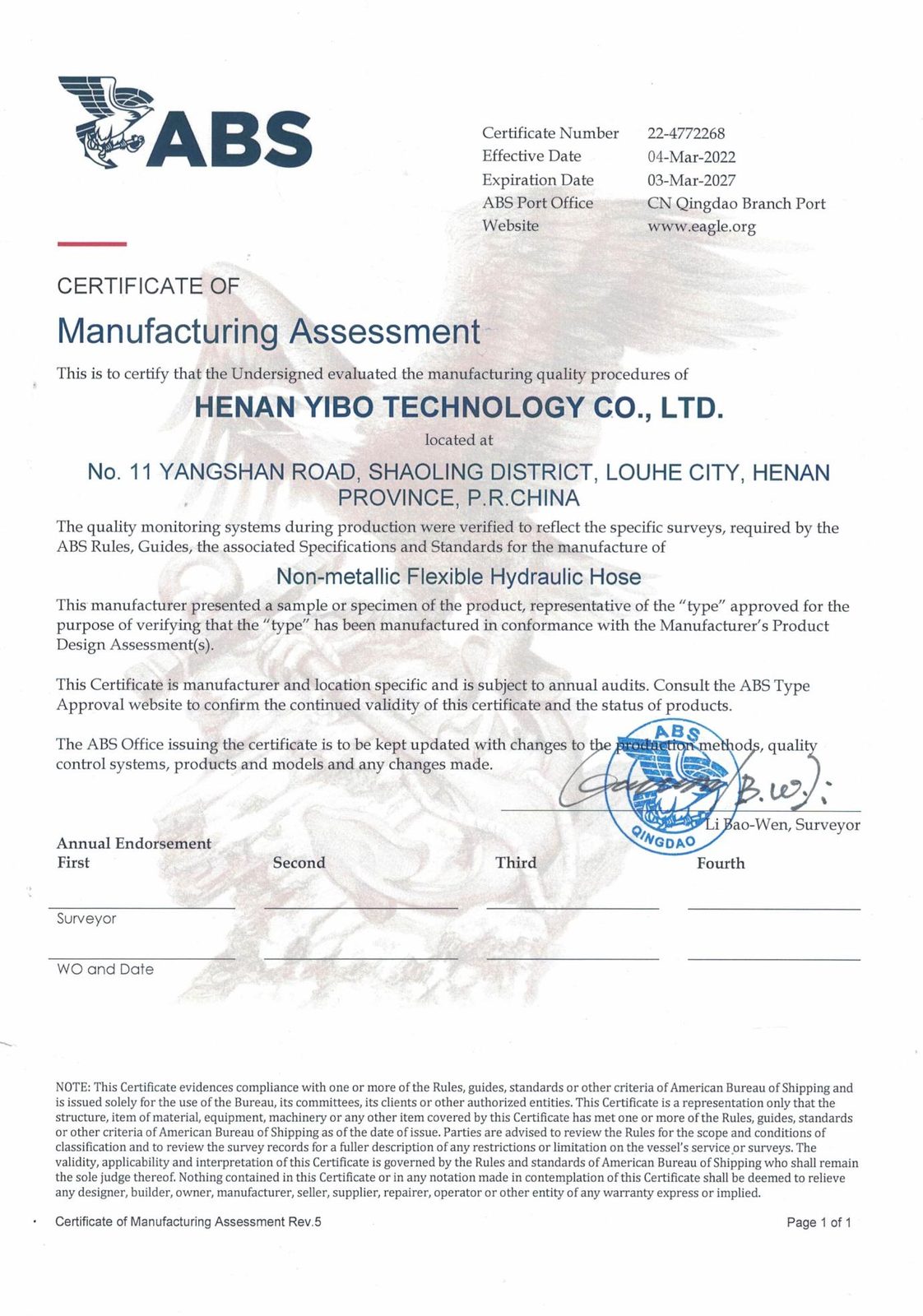
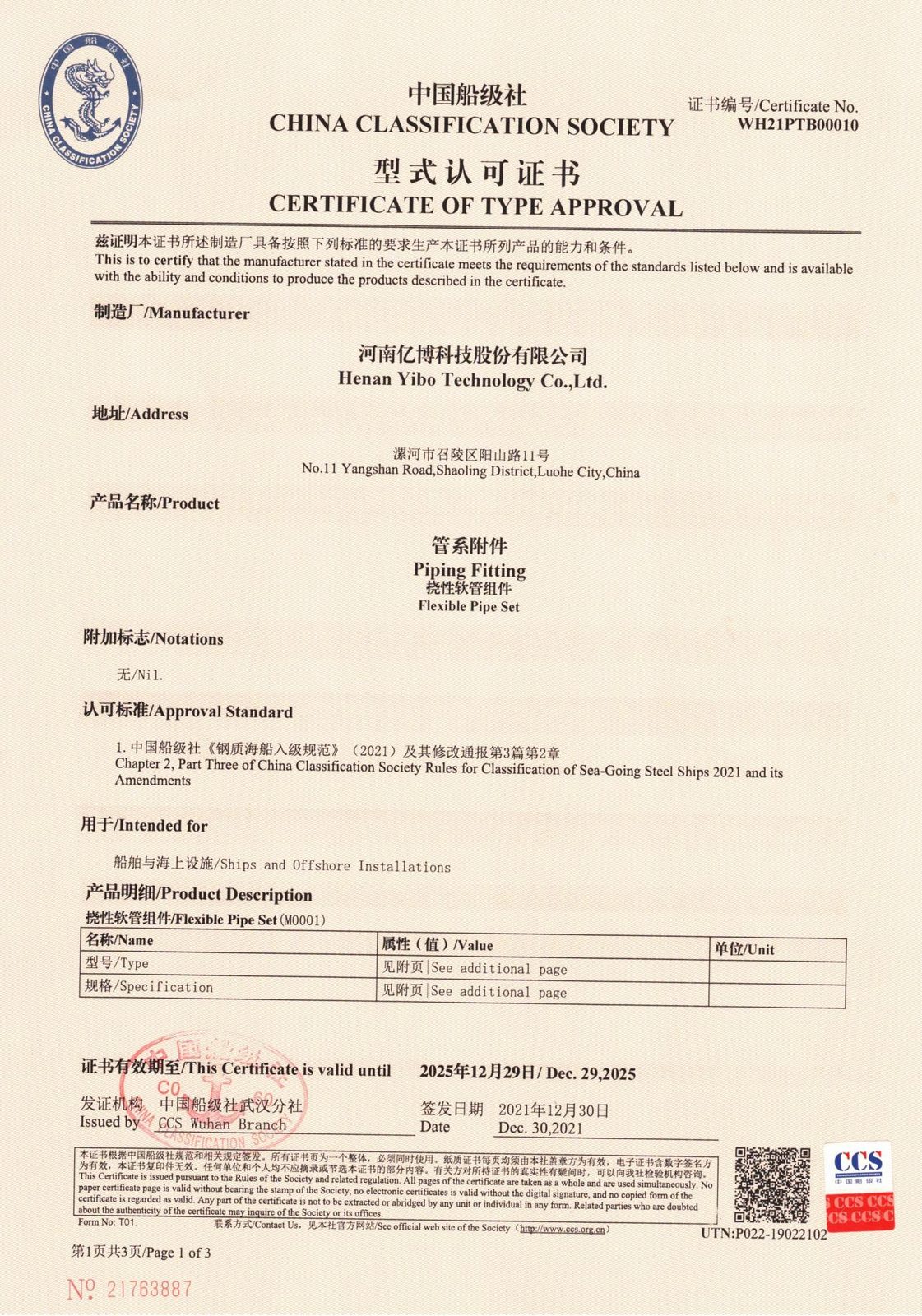
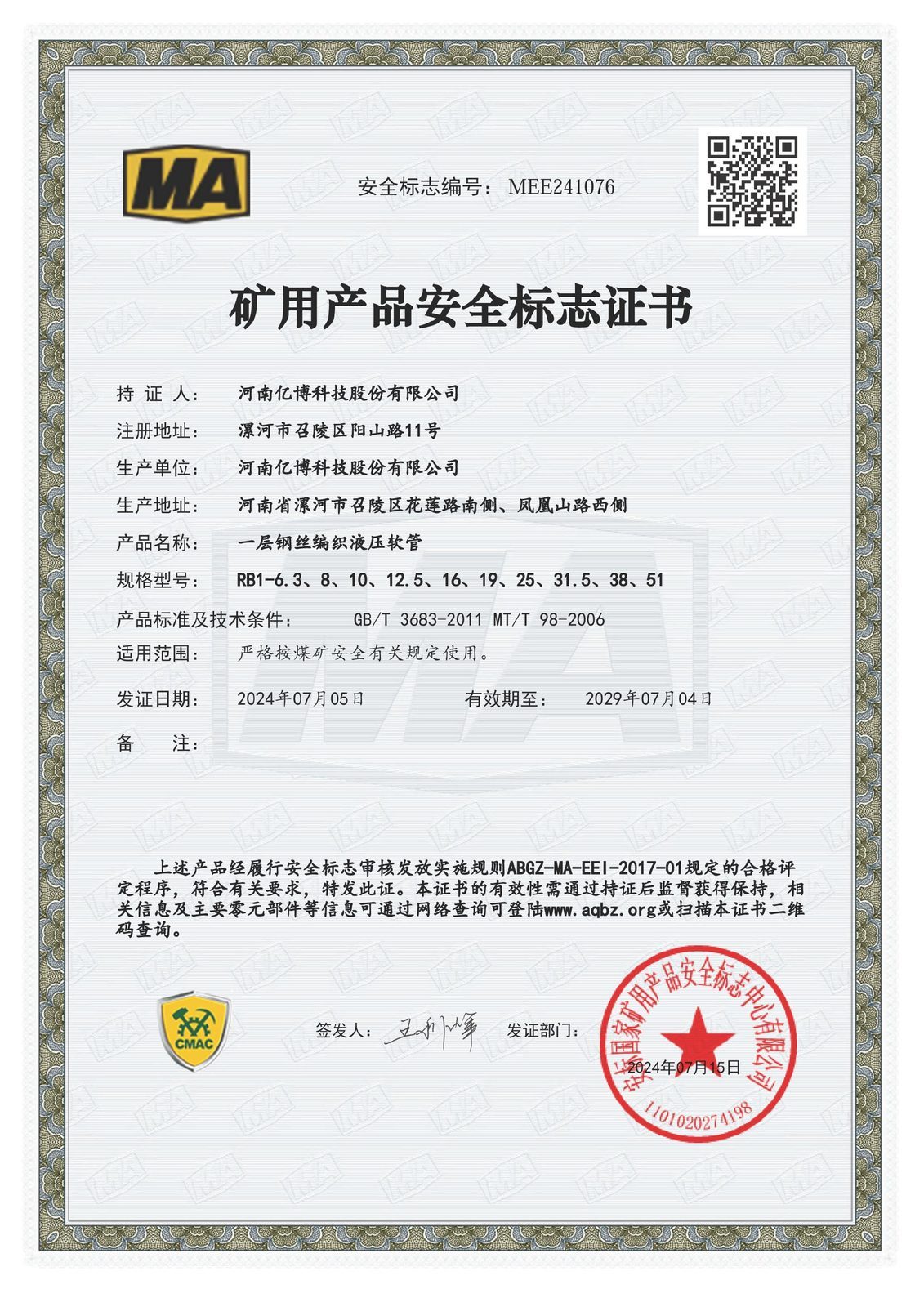
↓Certifications & factory photos
- Published Range
- Max working pressure:280 bar
- Min burst pressure:1120 bar
- Mass per metre:0.76–1.44 kg/m
- Nominal bore:10–19 mm across 4 published codes
- Hose Features
- Bend Radius:The published codes route down to 125–240 mm minimum radius.
- Compared on Real Data:The comparison below uses the dimensional figures our own lines produce, not marketing shorthand.
- Narrowed to One Answer:The point of a guide is to end with a single recommendation for your duty.
- Standards Explained:Where two standard designations look similar, we say which property actually separates them.
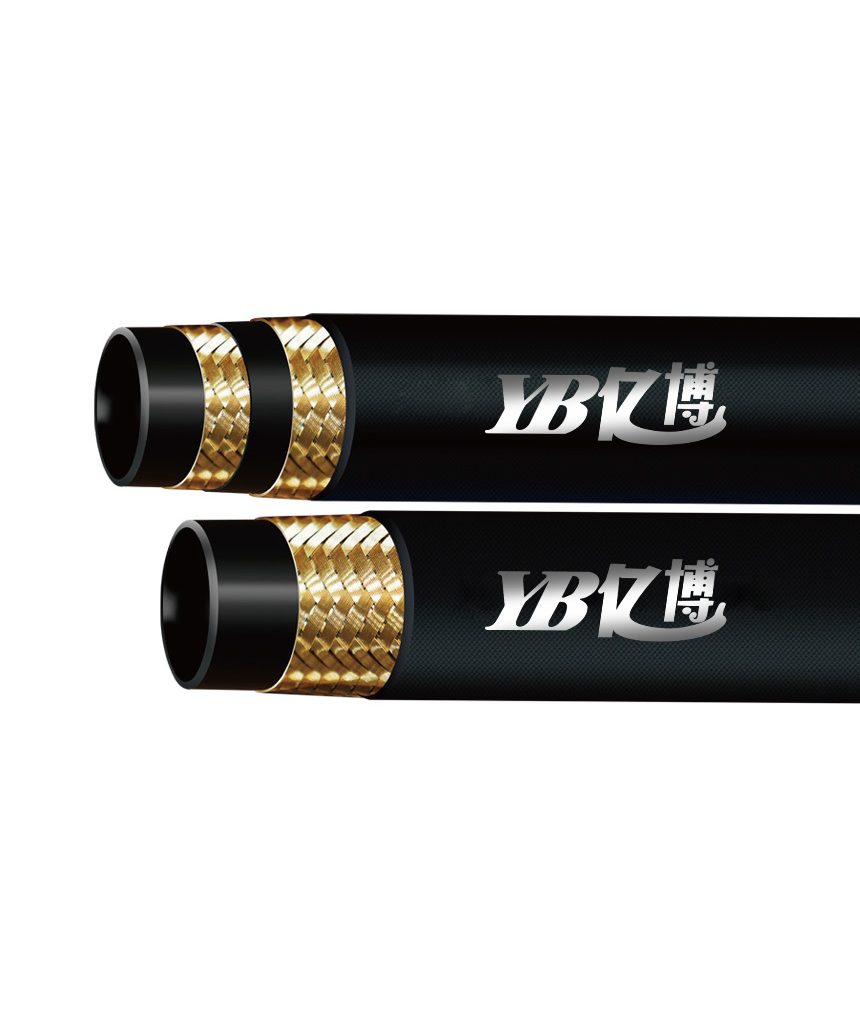
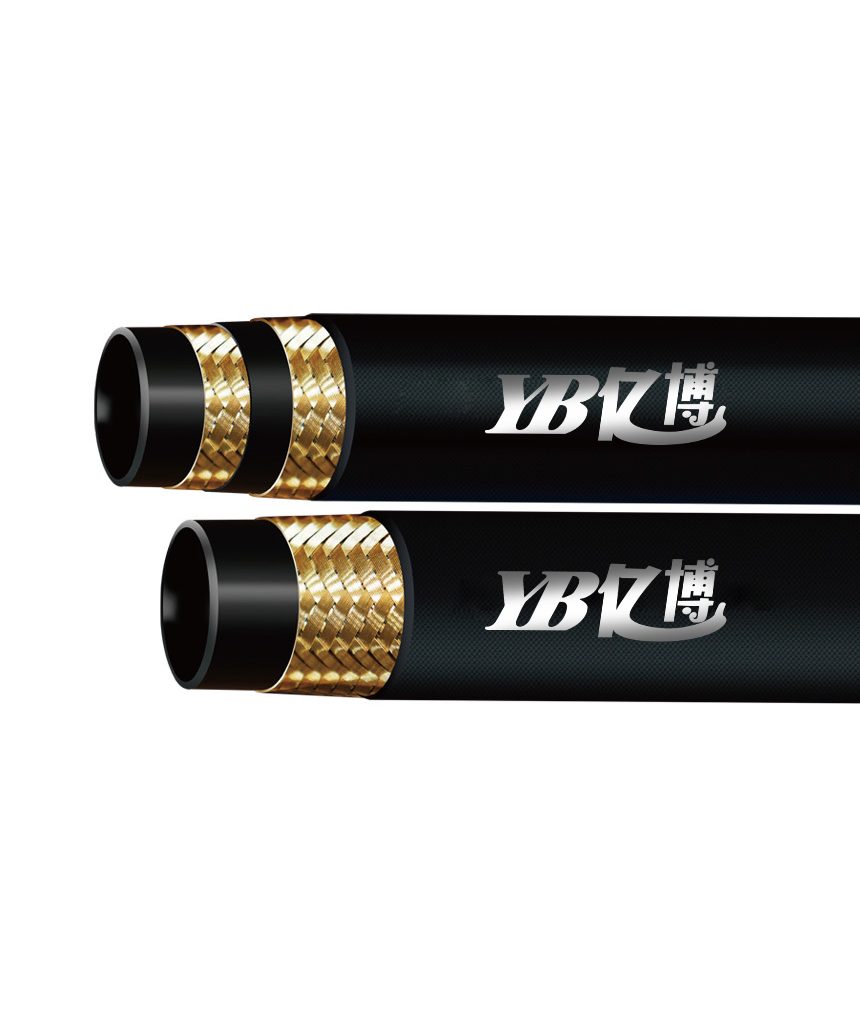
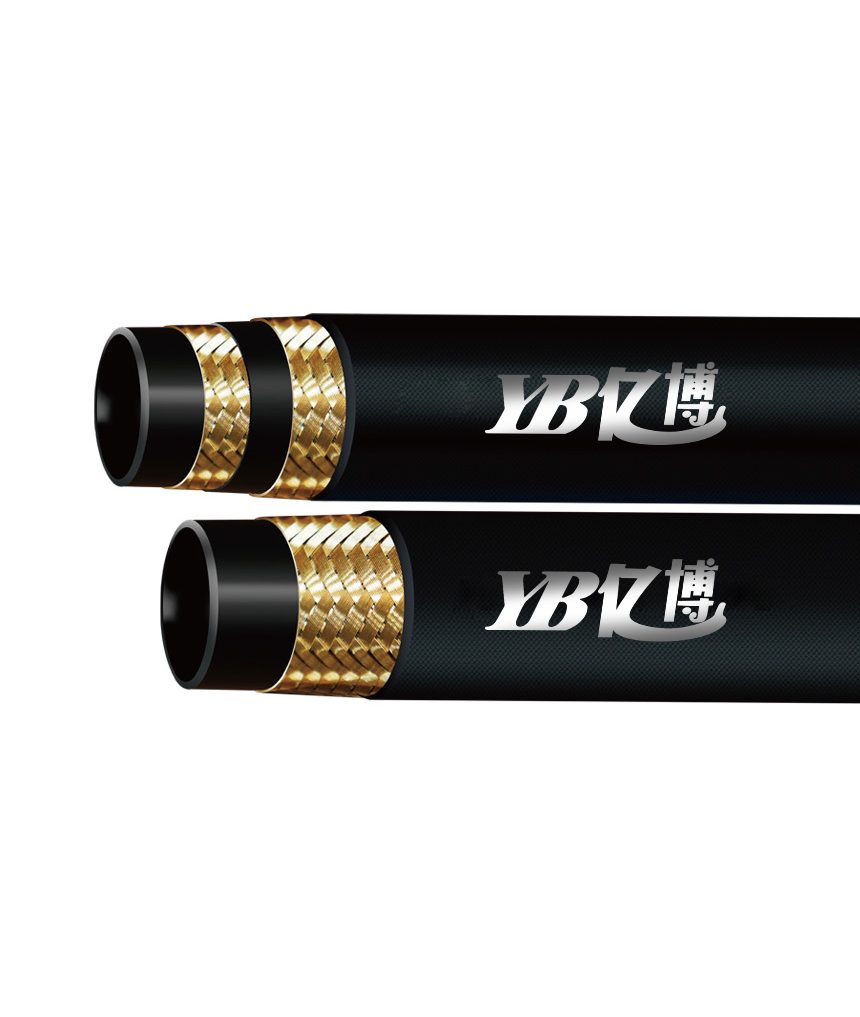
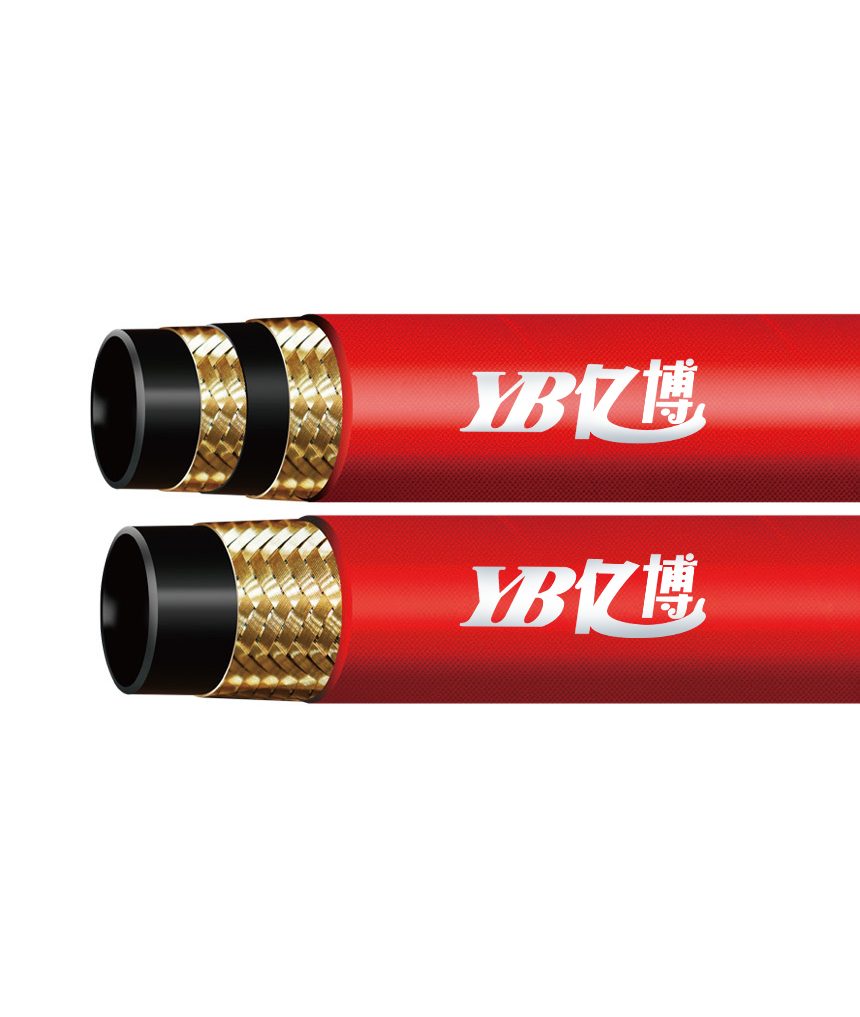
- Application:SAE 100R12 and EN 856 4SP hydraulic hose compared with real specification tables — pressure, bend radius and where each standard is used.
24 Hours Service Hotline
+86 137 2136 0724

For distributors, OEMs & MRO buyers · 30+ countries · MOQ 100 m · free samples


In stock — ready to ship sooner than custom runs. Ask which sizes →
PRODUCT INTRODUCTION
SAE 100R12 vs EN 856 4SP — Which Four-Spiral Hose, and When
Both hoses are four-spiral bodies and both are sold into the same machines. The difference is what the extra wire buys you: R12 gives a tighter bend, 4SP gives more pressure at the same bore.
In our R12 table all four codes from 10 mm to 19 mm hold 28.0 MPa (280 bar) working, with 112.0 MPa (1,120 bar) burst and a minimum bend radius that opens from 125 mm at 3/8 inch to 240 mm at 3/4 inch. Mass runs 0.76 to 1.44 kg/m.
On the same 3/8 inch bore our 4SP code is rated 44.5 MPa (445 bar) but needs 180 mm to bend. So the choice usually comes down to one question: is the circuit above 280 bar, or is the routing tighter than 180 mm? The R12 rows below are our own production figures, and the 4SP figures in the questions are taken from our 4SP page, so both sides of this comparison are our own numbers.
Data Display
SAE 100R12 and EN 856 4SP hydraulic hose compared with real specification tables — pressure, bend radius and where each standard is used.
| PRODUCT NAME | NOMINAL BORE (mm) | SPECIFICATION (inch) | INSIDE DIAMETER (ID)mm (min) | INSIDE DIAMETER (ID)mm (max) | OUTER DIAMETER OF REINFORCEMENT LAYER (W.D)mm (min) | OUTER DIAMETER OF REINFORCEMENT LAYER (W.D)mm (max) | INSIDE DIAMETER (OD)mm (min) | INSIDE DIAMETER (OD)mm (max) | MAXIMUM WORKING PRESSURE W.P (Mpa) | psi | MINIMUM BURST PRESSURE B.P (Mpa) | psi | MINIMUM BEND RADIUS Min.B.R (mm) | MINIMUM BENDING RADIUS W.T (Kg/m) |
|---|---|---|---|---|---|---|---|---|---|---|---|---|---|---|
| R12-06-10 | 10 | 3/8” | 9.3 | 10.1 | 16.6 | 17.8 | 19.5 | 21 | 28.0 | 4,061 | 112.0 | 16,244 | 125.0 | 0.7 |
| R12-08-12.5 | 12.5 | 1/2“ | 12.3 | 13.5 | 19.9 | 21.5 | 23 | 24.6 | 28.0 | 4,061 | 112.0 | 16,244 | 180.0 | 0.83 |
| R12-10-16 | 16 | 5/8” | 15.5 | 16.7 | 23.8 | 25.4 | 26.6 | 28.2 | 28.0 | 4,061 | 112.0 | 16,244 | 200.0 | 1.12 |
| R12-12-19 | 19 | 3/4“ | 18.6 | 19.8 | 26.9 | 28.4 | 29.9 | 31.5 | 28.0 | 4,061 | 112.0 | 16,244 | 240.0 | 1.44 |
Values are reproduced from the official YIBO product page. psi columns = MPa × 145.038, rounded. Ratings run to 280 bar working / 1,120 bar minimum burst over the 10–19 mm bore band; the order data sheet governs the batch.
Application & Selection
SAE 100R12 and EN 856 4SP hydraulic hose compared with real specification tables — pressure, bend radius and where each standard is used. SAE 100R12 vs EN 856 4SP is published in 4 codes spanning 10–19 mm bore.
SAE 100R12 vs EN 856 4SP tops out at 280 bar working over its 4 codes. This series weighs 0.76–1.44 kg/m. Assemblies are crimped and pressure-tested in-house, metric / BSP / JIC / ORFS ends, across the 4 codes in the 10–19 mm band. Allow about 20 days from confirmation for SAE 100R12 vs EN 856 4SP; OEM marking and packing on request.
WHY THIS HOSE
Six Numbers That Decide R12 or 4SP
This is a selection page, so the six points below are the ones that actually separate the two hoses on a machine.
Same Bore, Two Ratings
At 3/8 inch R12 is rated 28.0 MPa (280 bar) and 4SP is rated 44.5 MPa (445 bar). At 3/4 inch the gap narrows to 28.0 against 35.0 MPa, still with R12 on the lower side.
R12 Bends 55 mm Tighter
125 mm minimum against 180 mm on the 3/8 inch bore, and 240 mm against 300 mm at 3/4 inch. On a crowded manifold that is the difference between a clean run and a loop.
Constant 280 bar Across Four Bores
All four R12 rows are rated 28.0 MPa, while 4SP falls from 44.5 to 35.0 MPa over the same bores. R12 is the predictable one when a machine carries several sizes.
Weight Turns Over at the Top
At 3/8 inch both bodies are within 10 g of each other, 0.76 against 0.75 kg/m. At 3/4 inch R12 is the lighter one at 1.44 kg/m against 1.63 kg/m for 4SP.
Same Architecture, Different Wire
Both are four alternating spiral layers over an oil-resistant tube. The pressure difference comes from wire section, not from a different design.
Numbers From Our Own Lines
Every figure in this comparison is a line item from our own specification tables, not a catalogue range or a competitor claim.
CONSTRUCTION
Identical Layup, Different Wire
Inner Tube
Oil-resistant synthetic rubber (NBR) on both hoses, bored to the table: 9.3 to 10.1 mm at the 3/8 inch code, 18.6 to 19.8 mm at 3/4 inch.
Reinforcement
Four alternating spiral layers. R12 carries a smaller wire section, which is why it holds 28.0 MPa instead of 44.5 MPa but bends to 125 mm instead of 180 mm.
Cover
Abrasion- and weather-resistant synthetic rubber, sized so the outside diameter runs 19.5 to 21.0 mm at 3/8 inch and 29.9 to 31.5 mm at 3/4 inch.
APPLICATIONS
Where Each Hose Wins
Tight Routing at 280 bar
R12 at 3/8 inch bends to 125 mm, so it fits inside a machine enclosure where a 4SP body would need 180 mm.
Boom Rams Above 280 bar
4SP at 3/4 inch carries 350 bar, which is what a 34 to 35 MPa relief setting actually needs.
Multi-Size Machine Harnesses
One R12 rating of 28.0 MPa across 10 to 19 mm keeps a machine schedule simple when several lines share the same class.
Press and Shield Circuits
Sustained pressure and heavy impulse belong on 4SP, where the heavier wire section holds the rating through the dwell.
Re-Piping Legacy Machines
Keep the original class unless the relief has changed, because the old routing was dimensioned around the bend radius of that hose.
Fleet Standardisation
Fleets running both classes should standardise on the pressure the highest circuit needs, not on the cheapest line in the rack.
HIGH-END INDUSTRY DIRECTIONS
Why This Comparison Keeps Coming Up
Buyers arrive here from two directions: a hose that will not fit, or a hose that will not hold.
① Routing Decides First compact hose
Trend: Compact machine frames now make bend radius the first constraint, ahead of pressure, on return and pilot lines.
Dohose: R12 is published down to 125 mm at 3/8 inch, so the routing can be checked against a real number.
② Pressure Creep high pressure hose
Trend: Relief settings on mobile equipment keep climbing, which pushes 280 bar lines up into the 4SP class.
Dohose: Both classes are quoted side by side, 28.0 MPa against 44.5 MPa at the same 3/8 inch bore.
③ One Class Per Machine standard hose
Trend: Fleets prefer a single pressure class across a machine rather than three hose types in the store.
Dohose: R12 holds 28.0 MPa from 10 mm to 19 mm, so one class covers the whole order.
④ Weight on the Boom lightweight hose
Trend: On long boom runs, mass per metre is a real load on the structure, not just a handling issue.
Dohose: R12 at 3/4 inch is 1.44 kg/m against 1.63 kg/m for 4SP on the same bore.
⑤ Cleanliness at the Port clean hydraulic hose
Trend: Proportional valves downstream of these lines specify cleanliness at the port.
Dohose: Bores are blown through and capped after cutting on both classes.
⑥ Traceability traceable hose
Trend: Claim investigations ask for the batch behind the failed line, whichever class it was.
Dohose: Batch and test date are marked on the body and recorded against the order.
WHY DOHOSE
Seven Reasons Buyers Stay with Us
Tolerances on the Sheet
Bore, wall and bend radius for the SAE 100R12 Vs EN 856 4SP are printed per code — 4 codes, 10–19 mm, no guessing between shipments.
Mixed Orders Welcome
Order several codes of the SAE 100R12 Vs EN 856 4SP at once; 4 sizes in 10–19 mm are built on the same equipment.
No Dead Stock
Order metres, not coils: SAE 100R12 Vs EN 856 4SP is cut to length, and mass runs 0.76–1.44 kg/m.
Crimped and Tested
Where a finished line is needed, SAE 100R12 Vs EN 856 4SP is crimped and pressure-tested in-house before packing.
Freight-Ready
Coils of SAE 100R12 Vs EN 856 4SP are bagged and palletised, with a 40HQ plan supplied before booking.
Your Name on It
The SAE 100R12 Vs EN 856 4SP can be printed and packed under your brand for resale.
Quote in One Hour
Send bore, media and end type for SAE 100R12 Vs EN 856 4SP — a firm price comes back within 1 hour.
FAQ
SAE 100R12 vs EN 856 4SP — Ten Selection Questions
SAE 100R12 vs EN 856 4SP — what is the real difference?
Bend radius against pressure, at the same bore and the same four-spiral layup. At 3/8 inch our R12 is rated 28.0 MPa (280 bar) and bends to 125 mm, while our 4SP is rated 44.5 MPa (445 bar) and needs 180 mm. Everything else on the machine follows from which of those two numbers is tighter.
Can I swap R12 for 4SP on the same machine?
Upward is usually safe, downward is not. A 280 bar circuit that ran R12 can be re-hosed in 4SP because 4SP at 3/4 inch is rated 35.0 MPa, but the 4SP body needs 300 mm where R12 needed 240 mm, so the routing has to be re-checked. A 350 bar circuit that ran 4SP cannot be re-hosed in R12 at all.
What is the working pressure of R12 at 3/4 inch?
The 4th code, 19 mm bore held 18.6 to 19.8 mm, is rated 28.0 MPa working, 4,061 psi, with 112.0 MPa (1,120 bar) minimum burst. Minimum bend radius is 240 mm and the body weighs 1.44 kg/m, so a 100 m coil is 144 kg.
Why is R12 rated 280 bar at every bore?
Because that is how the range is built: all four rows from 10 mm to 19 mm carry 28.0 MPa, while the bend radius opens from 125 mm to 240 mm and the weight from 0.76 to 1.44 kg/m. 4SP does the opposite, holding 445 bar at 3/8 inch and dropping to 350 bar at 3/4 inch.
Which one for a 250 bar excavator return line?
R12, because 280 bar already covers the circuit and its 125 mm bend radius at 3/8 inch fits the return routing. Fitting 4SP there buys 445 bar that the return line does not use, and costs 55 mm of bend radius.
Which one for a 320 bar boom ram?
4SP, and at 3/4 inch: 35.0 MPa (350 bar) with a 300 mm bend radius. R12 stops at 28.0 MPa (280 bar) across its whole range, so it cannot be used on that circuit at any bore.
Why did a line fail after re-piping R12 with 4SP?
Because the old routing was dimensioned around R12. A 3/8 inch run laid out to a 125 mm bend cannot take a 4SP body that needs 180 mm, so the fitter either forces the bend or lengthens the loop badly. Either way the wire at the ferrule works on every cycle, and the failure shows up just behind the nut.
Why does R12 crack right at the 125 mm bend?
At exactly the minimum there is no margin left for tolerance, temperature or a clamp that slipped. A 3/8 inch R12 held at 125 mm looks acceptable on the drawing and is already at the limit; run it at 150 mm and the same hose lasts.
Which Chinese manufacturer supplies both R12 and 4SP?
YIBO, in Luohe, Henan, winds both classes on the same line, so a machine that needs R12 in four sizes and 4SP on two ram lines can ship as one order. R12 is published here from 10 mm to 19 mm bore, 3/8 inch to 3/4 inch.
R12 vs 4SP price per metre — which one costs less?
Less wire, so less material: at 3/8 inch the bodies are 0.76 kg/m and 0.75 kg/m, effectively equal, but at 3/4 inch R12 is 1.44 kg/m against 1.63 kg/m for 4SP. Price also follows ends and quantity, so send bore, length and destination for a firm figure.
Related Products
Compact Steel WIRE Braid Hydraulic HOSE
The hose consists of an inner tube, one or two layers of steel wire braided reinforcement, and…
Constant Pressure Steel WIRE Braided Hydraul…
The hose consists of an inner tube, one or two layers of steel wire braided reinforcement, and…
Constant Pressure Steel WIRE Braided Hydraul…
The hose consists of an inner tube, one or two layers of steel wire braided reinforcement, and…
HIGH Pressure Steam HOSE
The inner and outer tube layers of the hose are both made of synthetic rubber with excellent h…
Get a quote
Please fill out the form below and we will contact you within 1 hour.
We are online 24/7!
We will contact you within 1 hour of receiving your enquiry.
Hotline