
EN vs SAE Hydraulic Hose Standards Explained
EN 853 · 415 bar working / 1660 bar burst · 4.6–10.1 mm
↓Certifications & factory photos
- Published Range
- Nominal bore:4.6–10.1 mm
- Max working pressure:415 bar
- Min burst pressure:1660 bar
- Mass per metre:0.33–0.6 kg/m.
- Size range:4 codes in the table, from 2SN-03-05 upward
- Hose Features
- Bend Radius:Minimum bend radius 90–130 mm.
- Compared on Real Data:The comparison below uses the dimensional figures our own lines produce, not marketing shorthand.
- Narrowed to One Answer:The point of a guide is to end with a single recommendation for your duty.
- Standards Explained:Where two standard designations look similar, we say which property actually separates them.
- Application:Hydraulic hose is specified to one of two standard families: EN (European) and SAE (US).
24 Hours Service Hotline
+86 137 2136 0724


For distributors, OEMs & MRO buyers · 30+ countries · MOQ 100 m · free samples
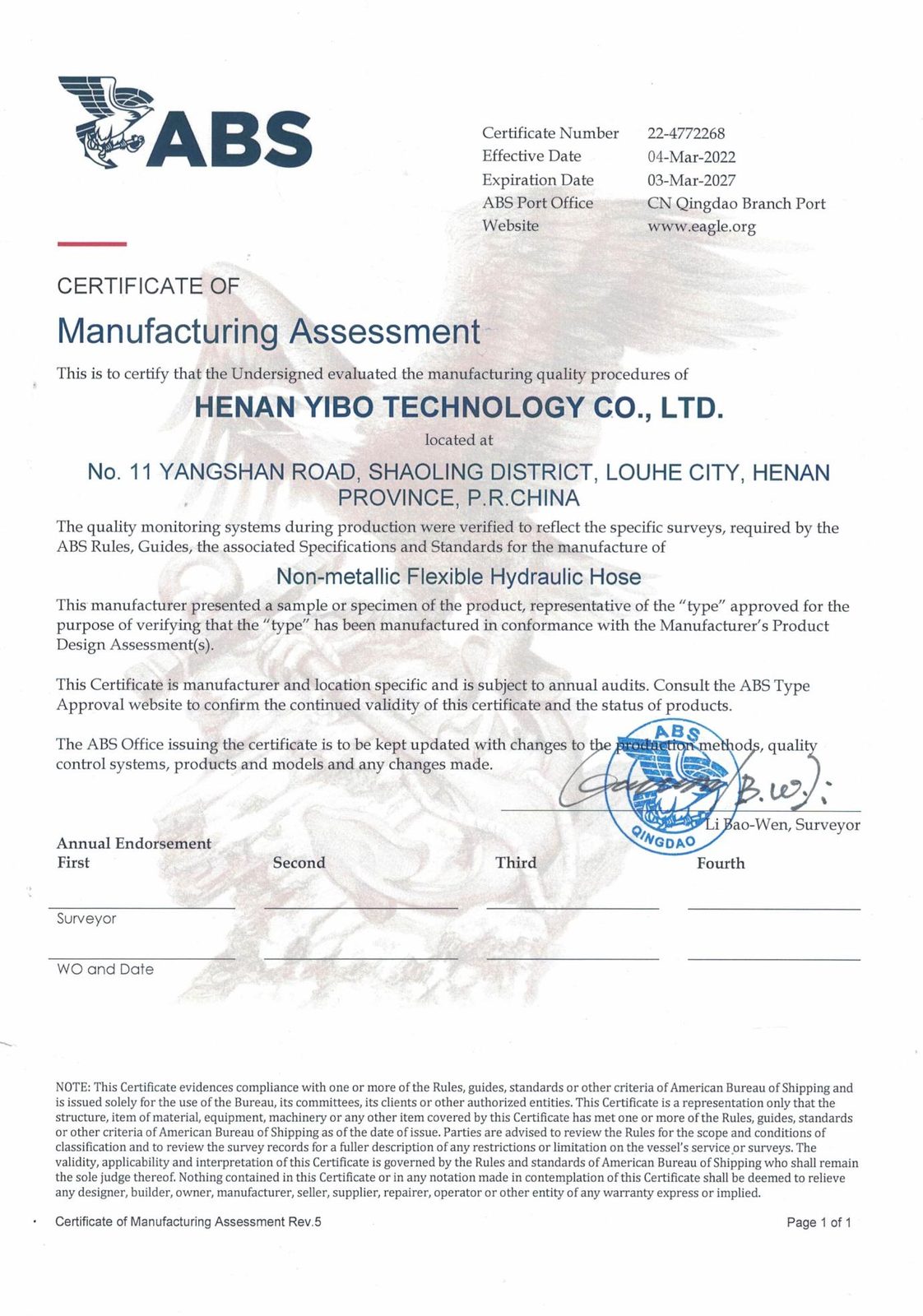
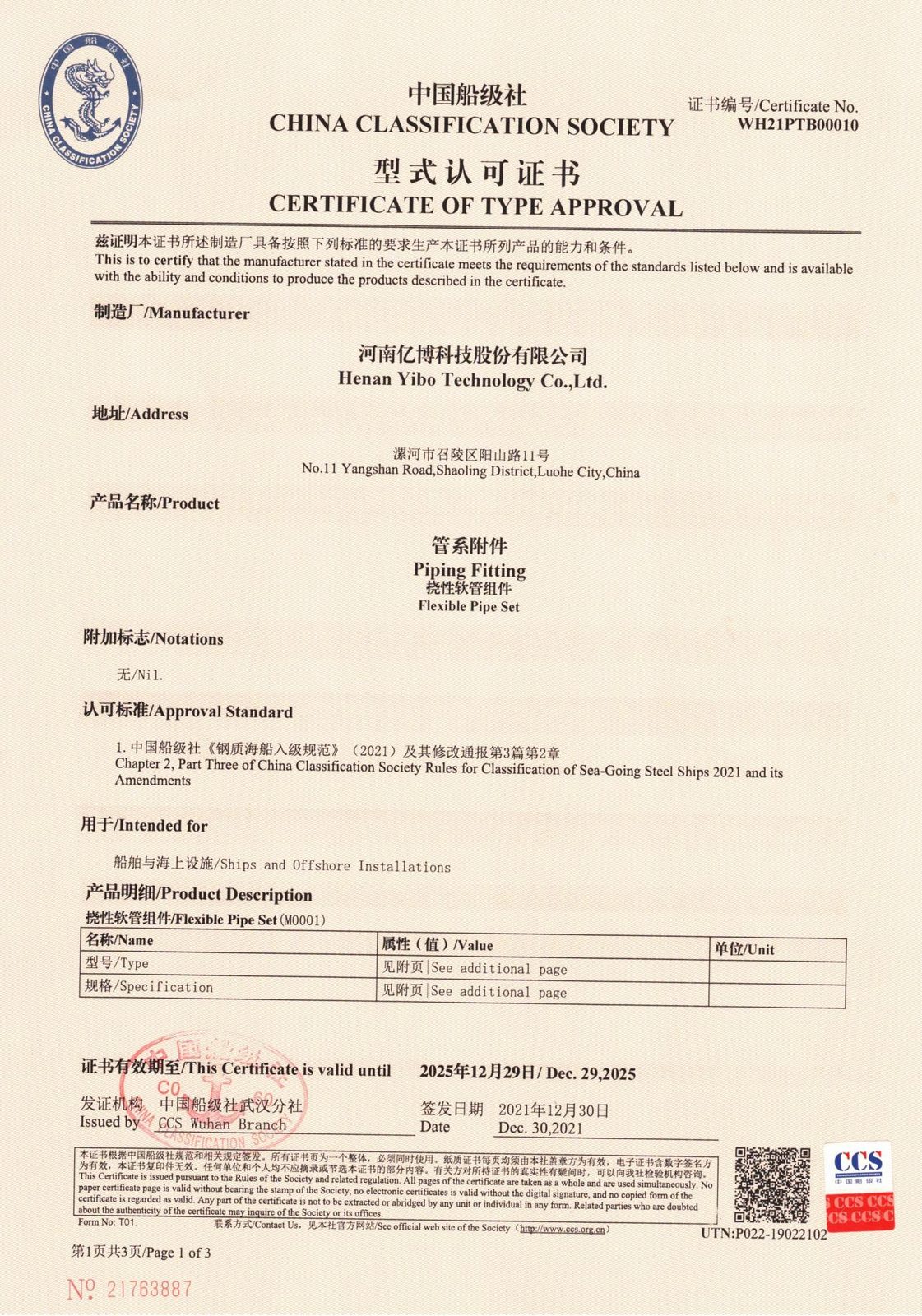
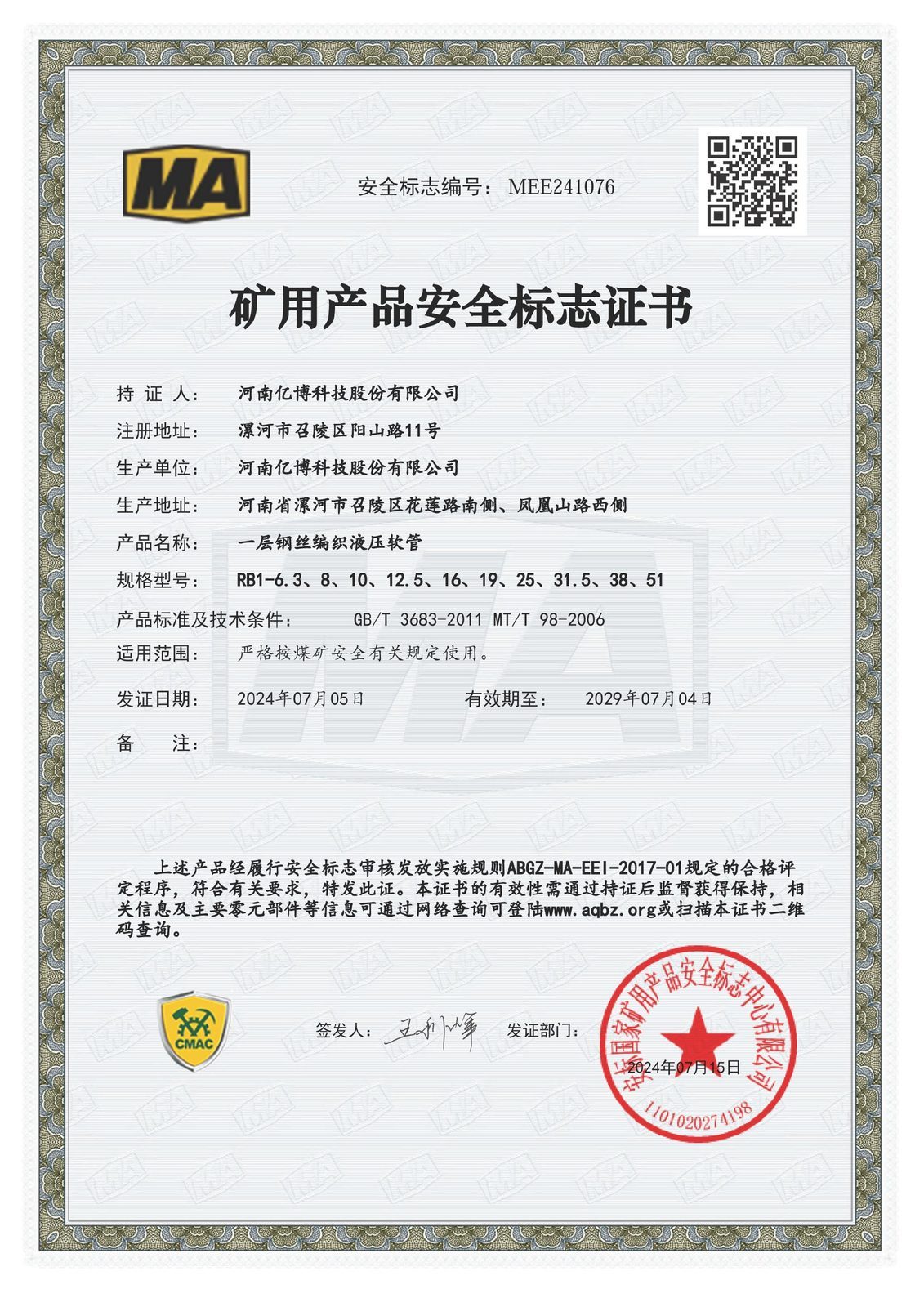


In stock — ready to ship sooner than custom runs. Ask which sizes →
PRODUCT INTRODUCTION
EN vs SAE — Why One Hose Carries Two Names
A hydraulic hose is usually described twice on the same purchase order: EN 853 2SN, and SAE 100R2AT. Buyers sometimes read that as two products. It is one body, published against two standard systems that trace back to the same dimensional work.
The naming logic differs. The European system counts construction in the designation, so 1SN is one braid, 2SN is two, 4SP is four spirals and 4SH is the heavy-wall four-spiral. The American system assigns an R-number to each style, so 100R2AT and 100R12 do not tell you the layer count from the code alone.
Our own table shows both at once: the 2SN range carries 41.5 MPa beside 6,019 psi on the 3/16 code, and 33.0 MPa beside 4,786 psi at 3/8 inch. That dual column is the practical answer to most standards questions, because both designations are satisfied by the same row.
Data Display
Hydraulic hose is specified to one of two standard families: EN (European) and SAE (US).
| PRODUCT NAME | NOMINAL INNER DIAMETER (mm) | SPECIFICATION (inch) | INNER DIAMETER (ID)mm (min) | INNER DIAMETER (ID)mm (max) | REINFORCEMENT LAYER OUTER DIAMETER (W.D)mm (min) | REINFORCEMENT LAYER OUTER DIAMETER (W.D)mm (max) | OUTER DIAMETER (OD)mm (max) | MAXIMUM WORKING PRESSURE W.P (Mpa) | psi | MINIMUM BURST PRESSURE B.P (Mpa) | psi | MINIMUM BENDING RADIUS Min.B.R (mm) | REFERENCE WEIGHT W.T (Kg/m) |
|---|---|---|---|---|---|---|---|---|---|---|---|---|---|
| 2SN-03-05 | 5 | 3/16“ | 4.6 | 5.4 | 10.6 | 11.7 | 16 | 41.5 | 6,019 | 165.0 | 24,076 | 90.0 | 0.31 |
| 2SN-04-06 | 6.3 | 1/4” | 6.2 | 7.0 | 12.1 | 13.3 | 17.7 | 40.0 | 5,802 | 160.0 | 23,206 | 100.0 | 0.35 |
| 2SN-05-08 | 8 | 5/16“ | 7.7 | 8.5 | 13.7 | 14.9 | 19.4 | 35.0 | 5,076 | 140.0 | 20,305 | 115.0 | 0.4 |
| 2SN-06-10 | 10 | 3/8” | 9.3 | 10.1 | 16.1 | 17.3 | 21.7 | 33.0 | 4,786 | 132.0 | 19,145 | 130.0 | 0.49 |
Values are reproduced from the official YIBO product page. EN vs SAE Hydraulic Hose Standards Explained: psi columns = MPa × 145.038, rounded. EN vs SAE Hydraulic Hose Standards Explained: 415 bar working and 1,660 bar minimum burst is the ceiling of this range; the order data sheet governs the batch.
Application & Selection
Hydraulic hose is specified to one of two standard families: EN (European) and SAE (US). EN vs SAE Hydraulic Hose Standards Explained covers 4.6–10.1 mm across 4 published codes.
The 2SN-03-05 row of EN vs SAE Hydraulic Hose Standards Explained is rated 415 bar working with 1,660 bar minimum burst — a 4:1 margin; larger bores step down. EN vs SAE Hydraulic Hose Standards Explained: Mass runs 0.33–0.6 kg/m across the 4 codes. EN vs SAE Hydraulic Hose Standards Explained: Assemblies are crimped and pressure-tested in-house, metric / BSP / JIC / ORFS ends, across the 4 codes in the 4.6–10.1 mm band. Allow about 20 days from confirmation for EN vs SAE Hydraulic Hose Standards Explained; OEM marking and packing on request.
WHY THIS HOSE
How the Two Systems Map
The cross-reference is stable enough to buy against, provided you check the bore and the pressure rather than the name alone.
1SN Is 100R1AT
One braid, EN 853. Our range holds 25.0 MPa at 3/16 inch in the single-braid class, and the American designation for that body is 100R1AT.
2SN Is 100R2AT
Two braids, EN 853. It is the class on this page: 41.5 MPa at the 3/16 code, 33.0 MPa at 3/8, both a 4:1 ratio over burst.
1SC and 2SC Are R17 and R16
Compact hose sits in EN 857 and maps across to the SAE compact designations, one braid to 100R17 and two braids to 100R16.
4SP and 4SH Are R12 and R13
Four-spiral bodies in EN 856 correspond to the SAE spiral designations. The bore and pressure class, not the letter code, decide which one you get.
Both Publish 4:1
These classes define minimum burst at four times working pressure, so 1,660 bar sits under 415 bar and 1,320 bar under 330 bar in either system.
Tolerances Are the Real Check
Inside diameter is stated as a band, 9.3 to 10.1 mm on the 3/8 code, because two standards can both be met while the actual bore sits anywhere in that window.
CONSTRUCTION
One Body, Two Designations
Inner Tube
Oil-resistant synthetic rubber, 4.6 mm to 10.1 mm inside diameter. Neither standard changes the tube compound for this class; both require oil resistance.
Reinforcement
Two high-tensile steel wire braids, measuring 10.6 to 17.3 mm on this range. The layer count is what the EN designation states outright and the SAE code encodes.
Cover
Abrasion-resistant rubber, 16 mm to 21.7 mm outside diameter. Cover thickness is where the two systems set slightly different tolerances, so the band is published rather than a single figure.
APPLICATIONS
Where the Mapping Matters
European Machine Builds
Drawings usually cite EN 853 2SN, and the SAE equivalent is accepted on the same line item.
North American Equipment
Service manuals cite 100R2AT, which crosses to the same two-braid body at 41.5 MPa on the 3/16 code.
Mixed Fleets
A fleet with both machine origins can stock one body and book it under two names.
Tender Documents
Public procurement often requires one designation only, so the certificate has to name the right standard.
Import Inspection
Customs and QA check the marking against the paperwork, which is why both designations are printed on the body.
Distributor Catalogues
A catalogue that lists only one system loses enquiries written in the other, so both are published side by side.
HIGH-END INDUSTRY DIRECTIONS
Why Standards Questions Keep Arriving
Sourcing has moved across borders faster than the paperwork has, so the same hose is now specified in two vocabularies by the same buyer.
① Cross-Border Sourcing hose standards
Trend: A European machine is serviced in Asia against an American designation.
Dohose: Every row publishes MPa and psi, 40.0 beside 5,802 on the 1/4 code.
② Dual Marking Requests traceable hose
Trend: Buyers ask for both designations printed on the body.
Dohose: Size, class, batch and test date are marked on each cut length.
③ Certificate Audits certified hose
Trend: QA teams now ask which standard the burst figure was tested to.
Dohose: Burst is quoted per row, 166.0 MPa on the 3/16 code, against the class requirement.
④ Compact Designations compact hose
Trend: The R16 and R17 compact codes are being quoted more often than 1SC and 2SC.
Dohose: Both naming systems are accepted on the same order.
⑤ Tolerance Questions precision hose
Trend: Buyers ask for the actual bore band, not just the nominal size.
Dohose: Bands are published, 7.7 to 8.5 mm at 5/16 and 9.3 to 10.1 mm at 3/8.
⑥ Spiral Cross-Reference spiral hose
Trend: Four-spiral enquiries arrive as R12 or 4SP depending on origin.
Dohose: We quote by bore and pressure class and name both designations on the offer.
WHY DOHOSE
Seven Reasons Buyers Stay with Us
Numbers, Not Averages
Every figure for the EN Vs SAE Hydraulic Hose Standards Explained comes from the per-code table: 4.6–10.1 mm, 415 bar working, 1660 bar burst.
One Line, Full Range
All 4 codes of the EN Vs SAE Hydraulic Hose Standards Explained come off the same line, so a mixed order in 4.6–10.1 mm ships together.
Length on Demand
Cut-to-length supply for EN Vs SAE Hydraulic Hose Standards Explained; each code carries its own mass, 0.33–0.6 kg/m, so lifting gear can be sized first.
Ends Done Here
Assemblies of EN Vs SAE Hydraulic Hose Standards Explained are crimped on site and held at test pressure before they are boxed.
Export Packing
Coiled in poly bags, then woven bags on pallets — loading plans are drawn for 4-code orders.
OEM Ready
Brand printing and custom packing are standard options on the EN Vs SAE Hydraulic Hose Standards Explained.
Fast, Firm Pricing
A firm price for EN Vs SAE Hydraulic Hose Standards Explained usually returns within 1 hour of your enquiry.
FAQ
EN vs SAE — Ten Standards Questions
Is EN 853 2SN the same hose as SAE 100R2AT?
In practice yes, for this bore range. Both describe a two-braid oil-resistant body, and our table publishes 41.5 MPa beside 6,019 psi on the 3/16 code against a 4:1 burst of 166.0 MPa. The designations come from different standards bodies, so the certificate should name the one your drawing calls out.
What is the difference between 4SP and SAE 100R12?
Layer count versus a catalogue number. 4SP states four spiral layers in the designation itself, and 100R12 is the American designation for the equivalent four-spiral body. Neither letter code tells you the bore, so the size still has to be quoted: on the 3/8 code of this range the braided equivalent holds 33.0 MPa.
What does the 2 in 2SN actually mean?
Two braided wire layers. The European system counts construction in the code, so 1SN is one braid and 2SN is two, which is why the pressure class roughly doubles with the same bore. At 3/8 inch the two-braid body is rated 33.0 MPa with a 21.7 mm outside diameter.
Why are both bar and psi quoted on the same row?
Because the two standard systems are metric and imperial, and buyers work in one or the other. The 1/4 code is listed at 40.0 MPa and 5,802 psi, the same pressure expressed twice, so an order written in either unit can be checked against the same line.
Why do both standards publish the same dimensions?
Because the dimensional tables were harmonised: inside diameter bands, outside diameter and minimum bend radius are set from the same bore series. That is why the 3/16 code reads 4.6 to 5.4 mm and a 90 mm arc in both systems, and why one certificate can cover both designations.
Why does the same hose carry two names at all?
Because machine builders in different regions adopted different bodies of work, and a hose sold into both markets has to satisfy both documents. The 5/16 code illustrates it: 7.7 to 8.5 mm inside diameter and 35.0 MPa whichever designation is printed on the order. The paper difference is real, and it is what an inspector checks against the marking.
Which designation should I quote for a European machine?
The EN designation from the drawing, with the SAE equivalent noted alongside. A typical line reads EN 853 2SN, 3/8 inch, 330 bar, and the bore band of 9.3 to 10.1 mm is what the assembly is checked against at goods-in.
Which designation for equipment built in North America?
The SAE code, usually 100R2AT for this class. Quote the pressure as well, because the same R-number is offered at different bores: 415 bar at 3/16 inch and 330 bar at 3/8 inch on this range, so the code alone is not a complete specification.
What is the minimum order and what paperwork comes with it?
100 m per size, cut to length, across 4.6 mm to 10.1 mm inside diameter. Each shipment carries a certificate naming the standard, the pressure class and the batch, with burst recorded against the row, for example 1,660 bar on the 3/16 code.
Is there a price difference between the two designations?
No, because it is the same body: the 1/4 code is 40.0 MPa with a 0.42 kg/m weight whichever name is printed on the invoice. Samples are cut free, and a firm figure follows bore, length, ends, destination and the standard to be certified.
Related Products
Automotive Power Steering HOSE
THE HOSE CONSISTS OF A HEAT-RESISTANT OIL SYNTHETIC RUBBER, ONE OR TWO LAYERS OF STEEL WIRE BR…
Compact Pilot HOSE
INNER TUBE: OIL-RESISTANT SYNTHETIC RUBBER. REINFORCEMENT: ONE LAYER OF STEEL WIRE BRAIDING. O…
Compact Single WIRE Braid Hydraulic HOSE
The hose consists of an inner tube, a single wire braid reinforcement, and an outer cover.
Compact Two-wire Braided Hydraulic HOSE
The hose consists of an inner tube, a double wire braid reinforcement, and an outer cover.
Get a quote
Please fill out the form below and we will contact you within 1 hour.
We are online 24/7!
We will contact you within 1 hour of receiving your enquiry.
Hotline