
R16 Compact Braid vs 2SN Standard Braid
SAE 100R16 · 350 bar working / 1400 bar burst · SAE 100R16
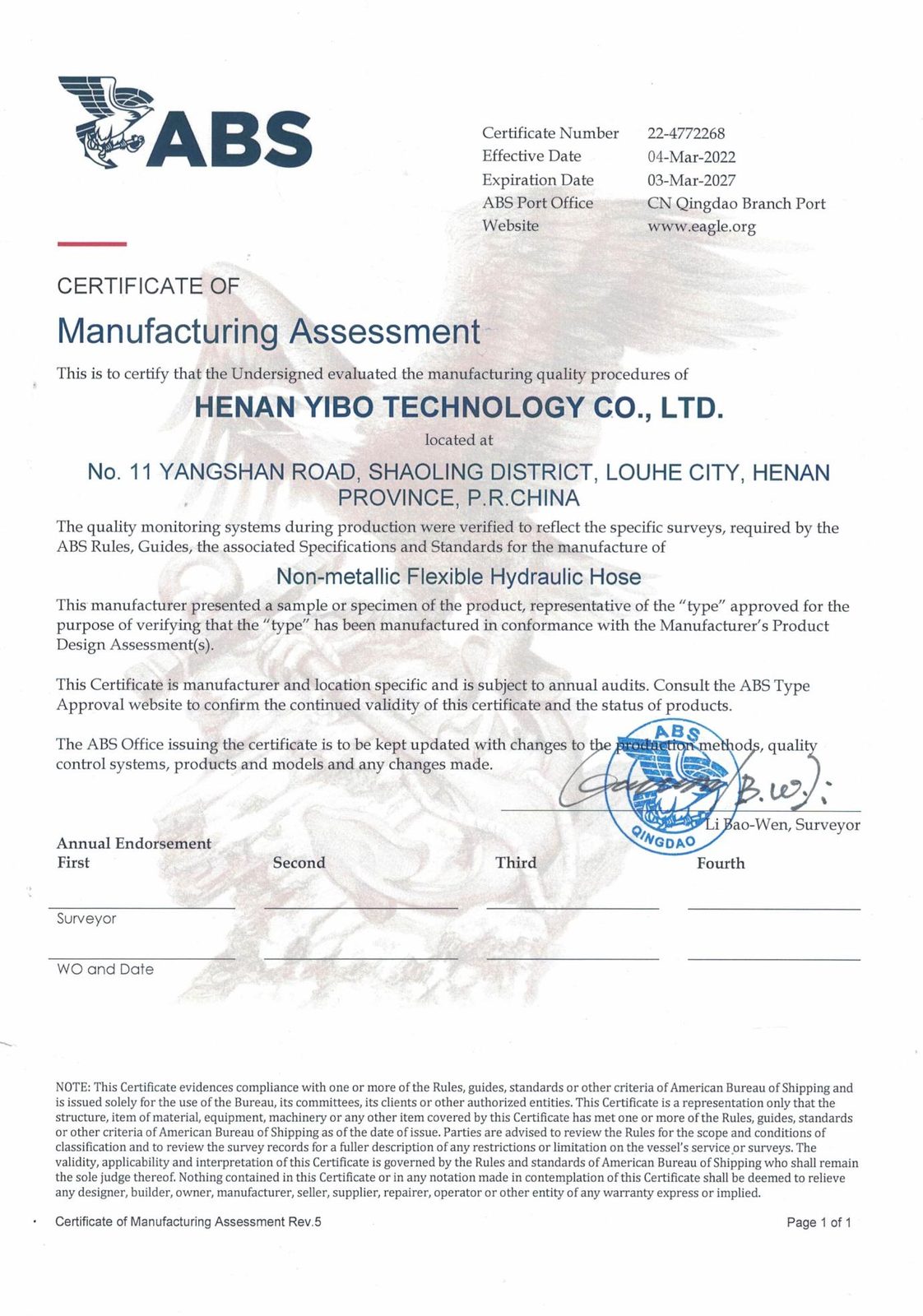
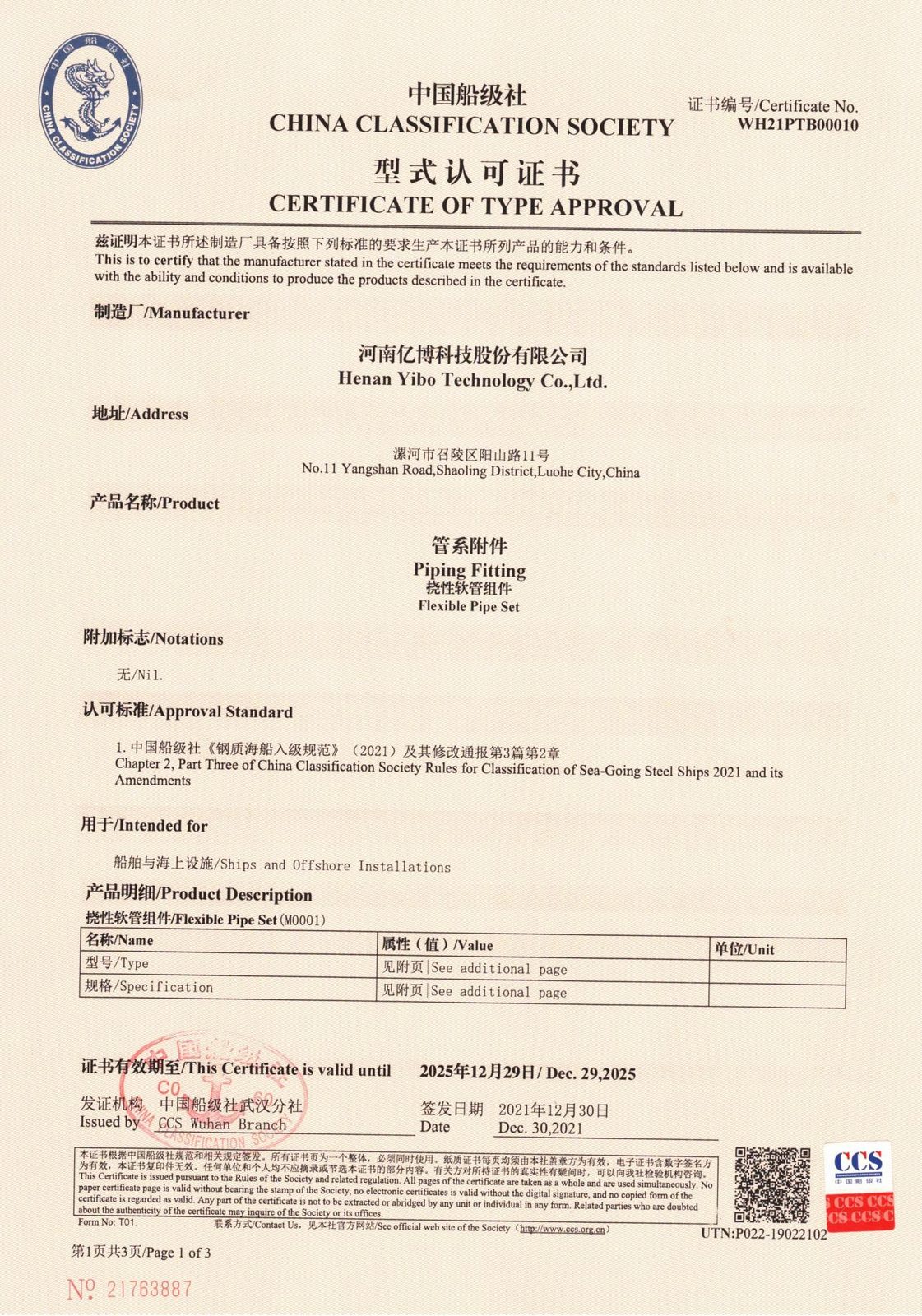
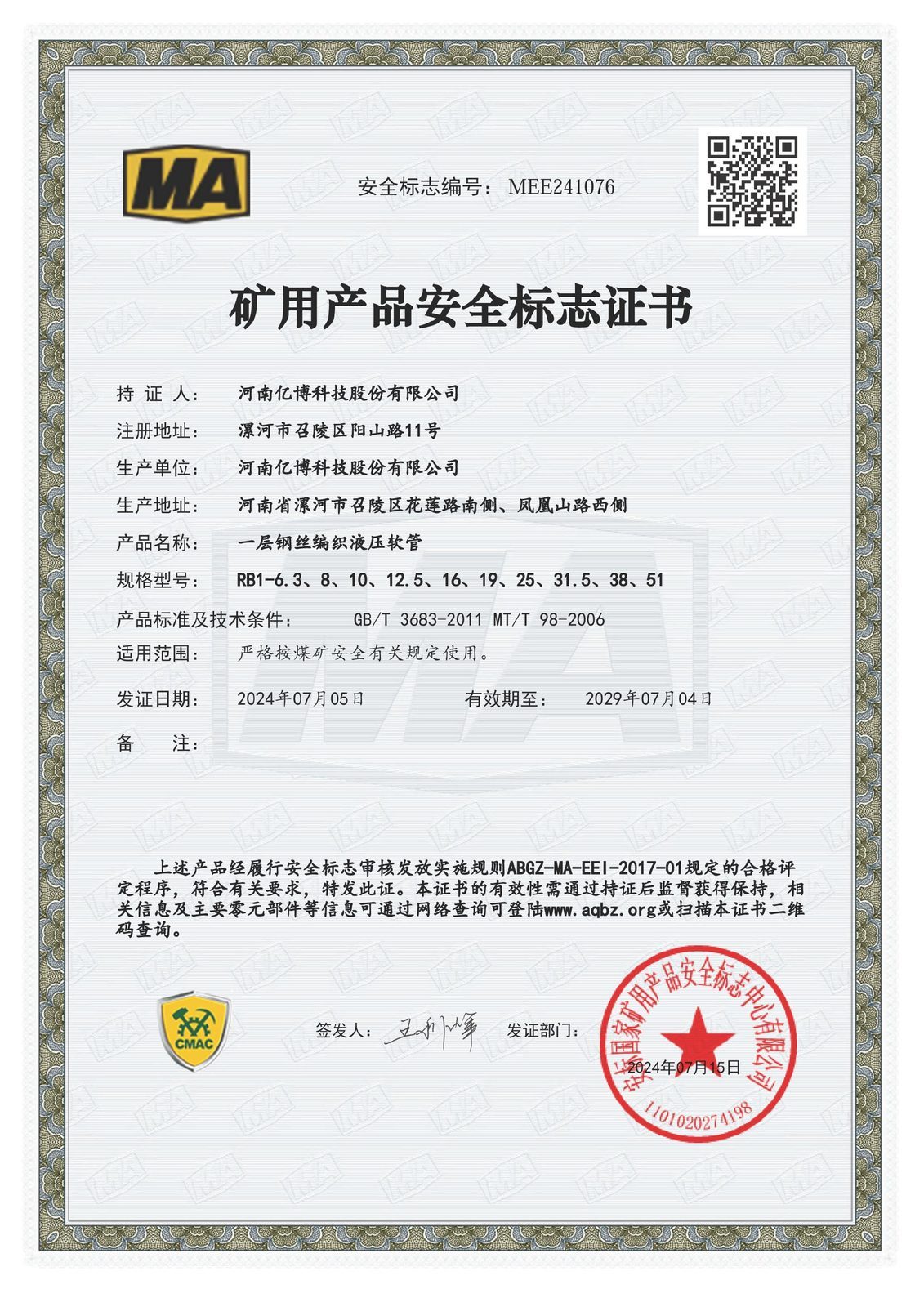
↓Certifications & factory photos
- Published Range
- Max working pressure:350 bar
- Min burst pressure:1400 bar
- Mass per metre:0.27–0.5 kg/m
- Nominal bore:6.3–12.5 mm across 4 published codes
- Hose Features
- Bend Radius:The published codes route down to 50–90 mm minimum radius.
- Compared on Real Data:The comparison below uses the dimensional figures our own lines produce, not marketing shorthand.
- Narrowed to One Answer:The point of a guide is to end with a single recommendation for your duty.
- Standards Explained:Where two standard designations look similar, we say which property actually separates them.
- Application:SAE 100R16 compact-braid hydraulic hose vs EN 853 2SN standard braid: real specification tables, pressure and size range side by side.
24 Hours Service Hotline
+86 137 2136 0724

For distributors, OEMs & MRO buyers · 30+ countries · MOQ 100 m · free samples


In stock — ready to ship sooner than custom runs. Ask which sizes →
PRODUCT INTRODUCTION
R16 vs 2SN — Half the Bend Radius for 50 bar
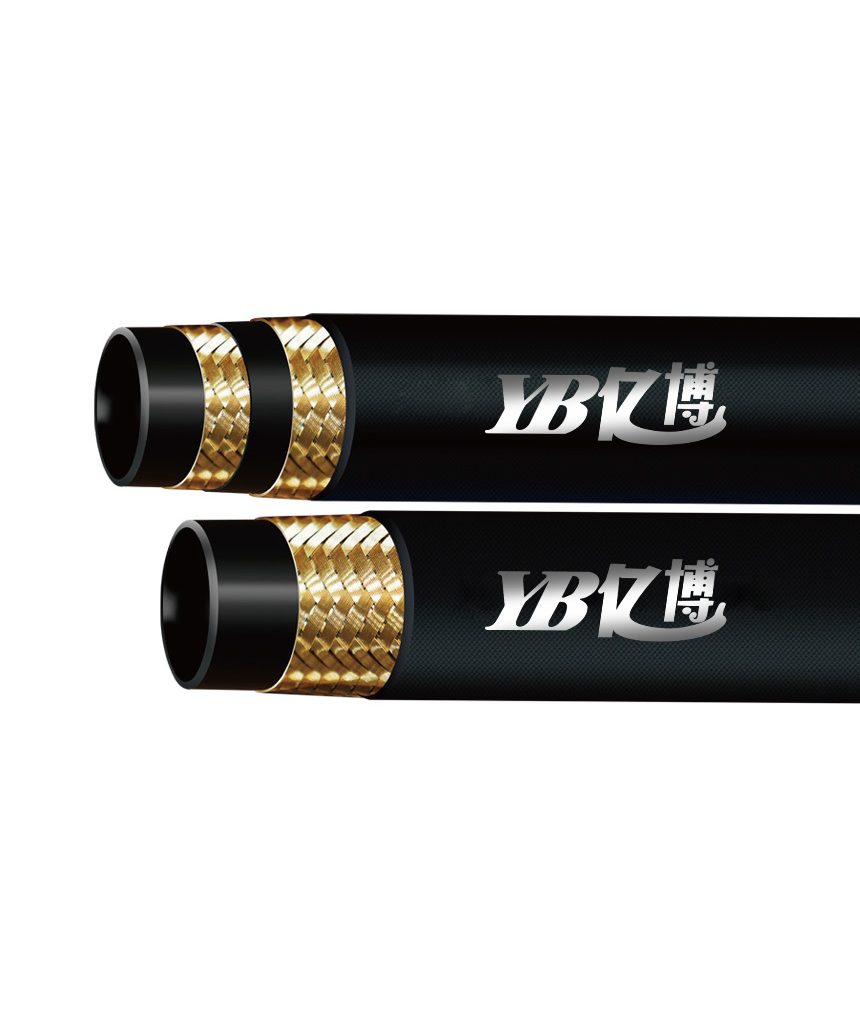
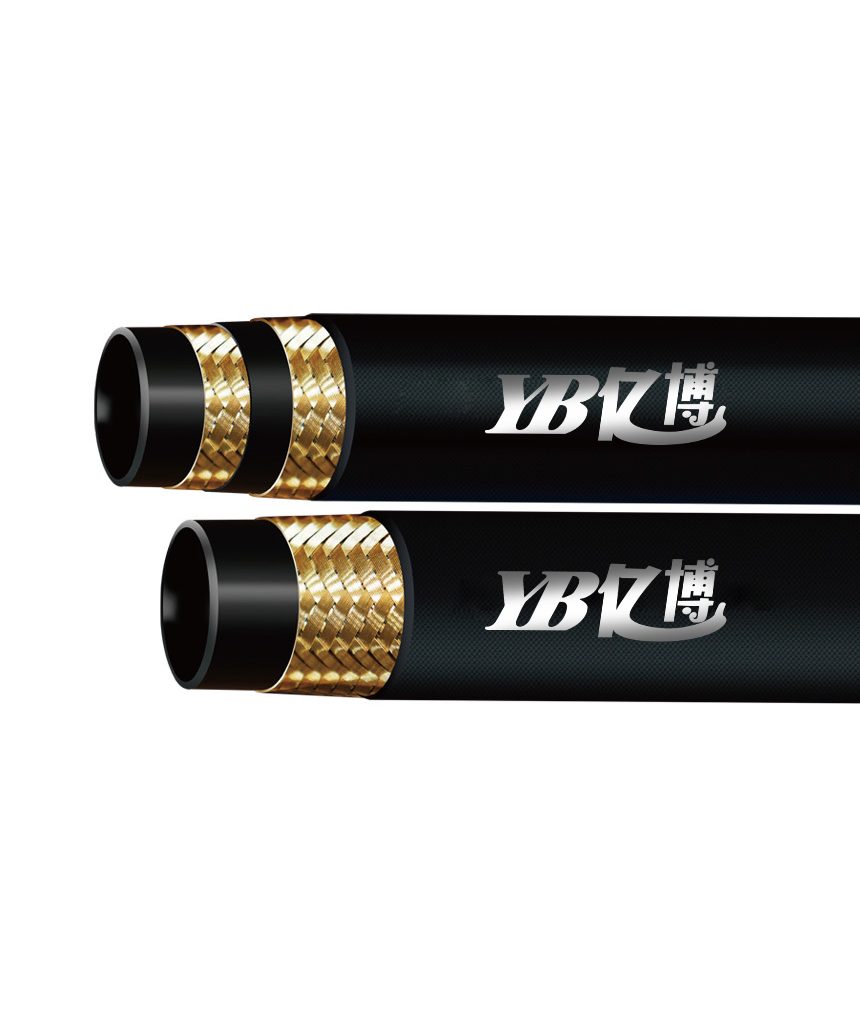
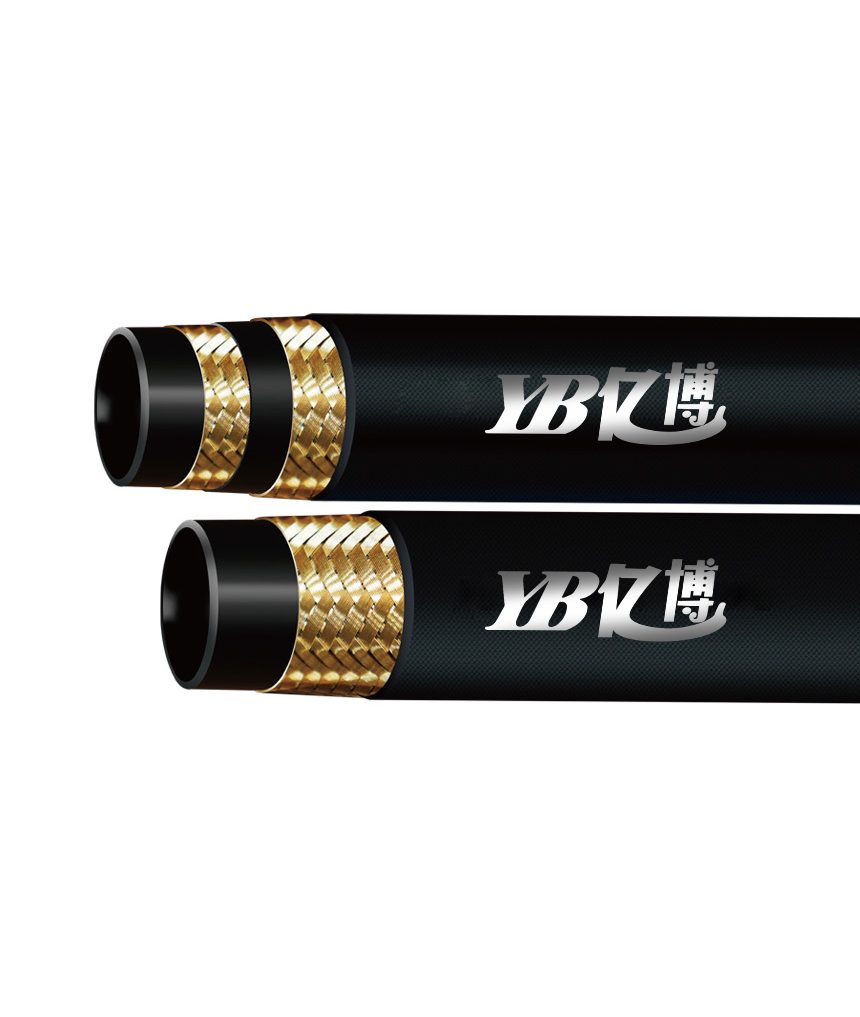
SAE 100R16 is the compact two-wire braid: same wire count as a 2SN, wound and covered to a tighter envelope. The result is a pair of hoses that hold almost the same pressure and bend in very different space.
At 1/4 inch, R16 is rated 35.0 MPa (350 bar) on a 50 mm minimum arc, where 2SN is rated 40.0 MPa on 100 mm. At 3/8 inch it is 28.0 MPa on 65 mm against 33.0 MPa on 130 mm. The bend radius is exactly half at every bore the two share, and the pressure sacrifice is a flat 50 bar.
Outside diameter tells the same story: 12.6 to 13.8 mm on the 1/4 inch R16 code against 17.7 mm on 2SN, and 16.4 to 17.6 mm against 21.7 mm at 3/8. If a routing was designed around 2SN, R16 usually drops in with room to spare rather than the other way round.
Data Display
SAE 100R16 compact-braid hydraulic hose vs EN 853 2SN standard braid: real specification tables, pressure and size range side by side.
R16 vs 2SN, matched by inside diameter
Each cell is working pressure · minimum bend radius · mass per metre. R16 halves the arc at every shared bore, which the difference column shows against the 50 bar it gives up.
| Size | R16 | 2SN | Difference |
|---|---|---|---|
| 3/16 | not offered | 415 bar · 90 mm · 0.33 kg/m | — |
| 1/4 | 350 bar · 50 mm · 0.27 kg/m | 400 bar · 100 mm · 0.42 kg/m | +50 bar · +0.15 kg/m |
| 5/16 | 297 bar · 55 mm · 0.35 kg/m | 350 bar · 115 mm · 0.47 kg/m | +53 bar · +0.12 kg/m |
| 3/8 | 280 bar · 65 mm · 0.42 kg/m | 330 bar · 130 mm · 0.6 kg/m | +50 bar · +0.18 kg/m |
| 1/2 | 245 bar · 90 mm · 0.5 kg/m | 275 bar · 180 mm · 0.73 kg/m | +30 bar · +0.23 kg/m |
| Burst ratio | 4.0x · 140 MPa | 4.0x · 160 MPa | same ratio, 20 MPa more burst |
The 2SN figures are the four codes printed on this page; the full two-braid range continues to 2-1/2 inch. R16 also lists 1/2 inch (12.3 to 13.5 mm).
| PRODUCT NAME | NOMINAL BORE (mm) | SPECIFICATION (inch) | INSIDE DIAMETER (ID)mm (min) | INSIDE DIAMETER (ID)mm (max) | OUTER DIAMETER OF REINFORCEMENT LAYER (W.D)mm (min) | OUTER DIAMETER OF REINFORCEMENT LAYER (W.D)mm (max) | OUTSIDE DIAMETER (OD)mm (min) | OUTSIDE DIAMETER (OD)mm (max) | MAXIMUM WORKING PRESSURE W.P (Mpa) | psi | MINIMUM BURST PRESSURE B.P (Mpa) | psi | MINIMUM BEND RADIUS Min.B.R (mm) | REFERENCE WEIGHT W.T (Kg/m) |
|---|---|---|---|---|---|---|---|---|---|---|---|---|---|---|
| R16-04-06 | 6.3 | 1/4” | 6.2 | 7.0 | 10.6 | 12.3 | 12.6 | 13.8 | 35 | 5,076 | 140.0 | 20,305 | 50.0 | 0.27 |
| R16-05-08 | 8 | 5/16“ | 7.7 | 8.5 | 12.1 | 13.3 | 144 | 15.6 | 29.7 | 4,308 | 118.8 | 17,231 | 55.0 | 0.35 |
| R16-06-10 | 10 | 3/8” | 9.3 | 10.1 | 14.5 | 15.9 | 16.4 | 17.6 | 28.0 | 4,061 | 112.0 | 16,244 | 65.0 | 0.42 |
| R16-08-12.5 | 12.5 | 1/2“ | 12.3 | 13.5 | 17.5 | 19.0 | 19.9 | 21.1 | 24.5 | 3,553 | 98.0 | 14,214 | 90.0 | 0.50 |
Values are reproduced from the official YIBO product page. psi columns = MPa × 145.038, rounded. 4 codes from 6.3 mm to 12.5 mm bore — the top rating is not the whole story; the order data sheet governs the batch.
Application & Selection
SAE 100R16 compact-braid hydraulic hose vs EN 853 2SN standard braid: real specification tables, pressure and size range side by side. R16 Compact Braid vs 2SN Standard Braid is published in 4 codes spanning 6.3–12.5 mm bore.
R16 Compact Braid vs 2SN Standard Braid is rated 350 bar working and 1,400 bar minimum burst at the top of the 6.3–12.5 mm bore range, a 4:1 margin. Mass is published at 0.27–0.5 kg/m per metre. Crimped and tested to the 350 bar working figure, across the 4 codes of this range. MOQ on R16 Compact Braid vs 2SN Standard Braid is 100 m on standard items.
WHY THIS HOSE
The Trade Is Arc Against 50 bar
R16 is not a lower grade of 2SN. It is the same wire count in a tighter construction, and the numbers are unusually consistent.
50 mm Against 100 mm
At 1/4 inch the two arcs differ by a factor of two. On a machine with a fixed route, that is the whole decision.
Flat 50 bar Sacrifice
35.0 against 40.0 at 1/4 inch, 29.7 against 35.0 at 5/16, 28.0 against 33.0 at 3/8. The gap does not widen with bore.
4 mm Slimmer Outside
12.6 to 13.8 mm against 17.7 mm at 1/4 inch. A clamp designed for 2SN accepts R16 with a shim, not a re-weld.
Lighter at Every Bore
0.27 against 0.42 kg/m at 1/4 inch, 0.42 against 0.6 kg/m at 3/8. About a third less mass on a moving line.
R16 Reaches 1/2 Inch
The R16 table carries a 12.5 mm code at 24.5 MPa that the 2SN table here does not, so the compact range goes one size further.
Both 4:1
140.0 MPa burst on 35.0 MPa, 112.0 MPa on 28.0 MPa. The margin is the same; only the ceiling moves.
CONSTRUCTION
Same Wire, Tighter Cover
Inner Tube
Oil-resistant synthetic rubber, 6.2 mm to 13.5 mm inside diameter across the four R16 codes, on the same bores 2SN uses from 6.2 mm.
Reinforcement
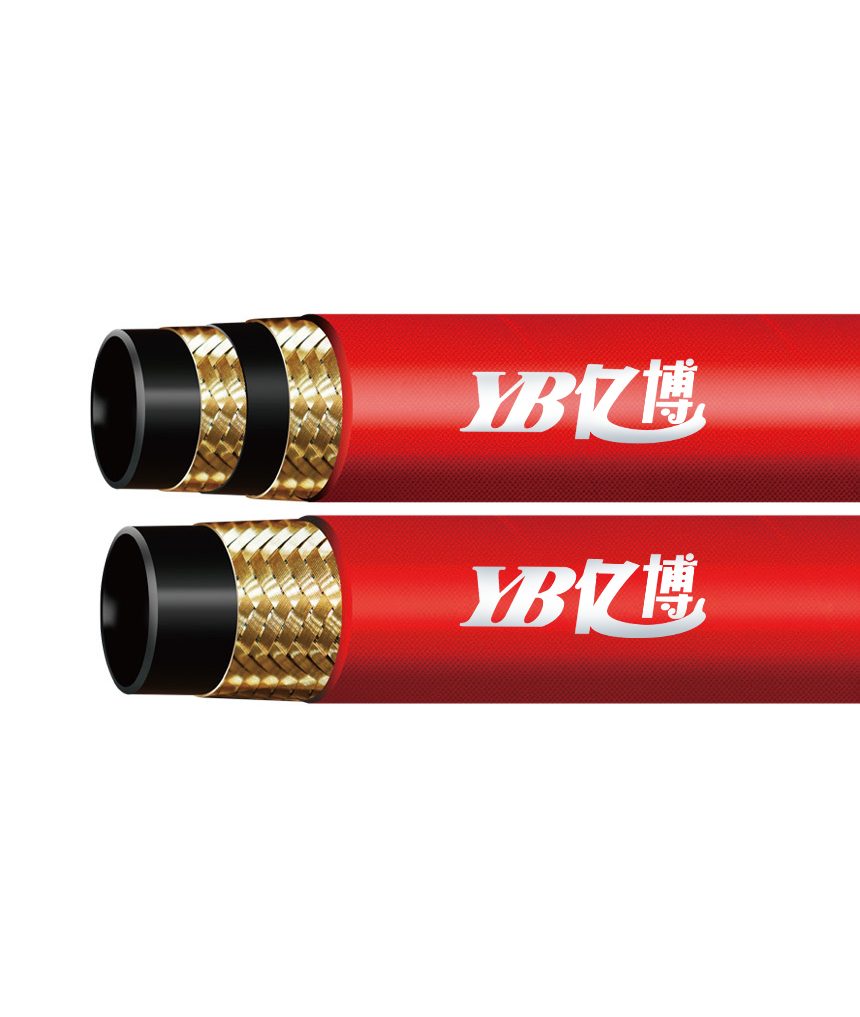
Two high-tensile steel wire braids, measuring 10.6 to 19.0 mm. The wire count matches 2SN; the braid angle and cover thickness are what compress the envelope.
Cover
A thin, tight abrasion-resistant cover. Outside diameter is 12.6 to 21.1 mm across the range, against 17.7 to 21.7 mm on the equivalent 2SN codes.
APPLICATIONS
Where Half the Arc Pays
Engine Compartments
Fixed routing around exhaust and accessories: a 50 mm arc at 1/4 inch clears what a 100 mm arc cannot.
Aerial Lifts
Cable-chain and scissor-arm paths where the hose has to fold into a 55 mm radius at 5/16 inch.
Tractor Steering
Steering lines at 200 to 250 bar on the 3/8 code, a 65 mm arc and a 0.42 kg/m run to the steering unit.
Skid Steer Auxiliary
Auxiliary circuits at 280 bar where the 3/8 R16 rating is met and the boom is crowded.
Manifold Jumpers
Short 1/2 inch links at 245 bar, where 19.9 to 21.1 mm outside diameter threads into a block.
Retrofit into 2SN Clamps
An existing 2SN clamp accepts R16 with a shim, which is why compact hose shows up in upgrade kits.
HIGH-END INDUSTRY DIRECTIONS
Why Compact Braid Is Replacing Standard 2SN
The pressure difference is small enough that routing usually decides, and routing has been getting tighter for a decade.
① Tighter Machine Envelopes compact hose
Trend: Hose paths are set by the frame, not by the hose supplier.
Dohose: R16 bends to 50 mm at 1/4 inch where 2SN needs 100 mm.
② Pressure Flat Since the 1990s standard hose
Trend: Many mobile circuits have not raised pressure, so the 50 bar gap does not matter.
Dohose: R16 holds 28.0 MPa at 3/8 inch, above most steering and auxiliary duties.
③ Weight on Moving Parts lightweight hose
Trend: Every gram on a lift arm is a gram off the payload.
Dohose: 0.27 to 0.50 kg/m across the four R16 codes.
④ Clamp Standardisation retrofit hose
Trend: Fleets want one clamp size across several hose duties.
Dohose: 12.6 to 13.8 mm outside diameter at 1/4 inch fits clamps sized for slimmer hose.
⑤ Dual Designation Enquiries dual rated hose
Trend: Enquiries quote SAE 100R16 and EN 853 2SN in the same line.
Dohose: Both classes published with MPa and psi per row, 35.0 beside 5,076.
⑥ Assembly Records crimped hose
Trend: Compact assemblies are crimped to a recorded diameter because the wall is thin.
Dohose: Crimp diameter and proof pressure are logged per batch.
WHY DOHOSE
Seven Reasons Buyers Stay with Us
Tolerances on the Sheet
Bore, wall and bend radius for the R16 Compact Braid Vs 2SN Standard Braid are printed per code — 4 codes, 6.3–12.5 mm, no guessing between shipments.
Mixed Orders Welcome
Order several codes of the R16 Compact Braid Vs 2SN Standard Braid at once; 4 sizes in 6.3–12.5 mm are built on the same equipment.
No Dead Stock
Order metres, not coils: R16 Compact Braid Vs 2SN Standard Braid is cut to length, and mass runs 0.27–0.5 kg/m.
Crimped and Tested
Where a finished line is needed, R16 Compact Braid Vs 2SN Standard Braid is crimped and pressure-tested in-house before packing.
Freight-Ready
Coils of R16 Compact Braid Vs 2SN Standard Braid are bagged and palletised, with a 40HQ plan supplied before booking.
Your Name on It
The R16 Compact Braid Vs 2SN Standard Braid can be printed and packed under your brand for resale.
Quote in One Hour
Send bore, media and end type for R16 Compact Braid Vs 2SN Standard Braid — a firm price comes back within 1 hour.
FAQ
R16 vs 2SN — Ten Selection Questions
R16 vs 2SN — what is the actual trade?
Half the bend radius against 50 bar. At 1/4 inch R16 is rated 35.0 MPa (350 bar) on a 50 mm arc, and 2SN is 40.0 MPa on 100 mm. At 3/8 inch it is 28.0 MPa on 65 mm against 33.0 MPa on 130 mm, so the pressure gap stays at 50 bar while the arc halves.
Can R16 replace 2SN in an existing routing?
Yes, and the clamp usually needs a shim rather than a new bracket. The 1/4 inch code is 12.6 to 13.8 mm outside diameter against 17.7 mm on 2SN, with a 50 mm arc instead of 100 mm. Check the pressure first: 35.0 MPa against 40.0 MPa is a real 50 bar.
What is the 3/8 inch R16 rating and bend radius?
The 3/8 code is rated 28.0 MPa (280 bar) with 112.0 MPa (16,244 psi) minimum burst, on a 9.3 to 10.1 mm inside diameter. Minimum bend radius is 65 mm, mass is 0.42 kg/m and outside diameter is 16.4 to 17.6 mm.
What is the difference at 1/4 inch, number for number?
R16 is 35.0 MPa with 50 mm minimum arc, 0.27 kg/m and 12.6 to 13.8 mm outside diameter. 2SN at the same 6.2 to 7.0 mm bore is 40.0 MPa with 100 mm, 0.42 kg/m and 17.7 mm. Same bore, half the arc, 50 bar less.
Why is the R16 bend radius exactly half?
Because the braid is wound at a tighter angle under a thinner cover, so the same two wire layers sit closer to the tube. The figures are 50 against 100 mm at 1/4 inch, 55 against 115 at 5/16 and 65 against 130 at 3/8, a consistent halving rather than an average.
Why does R16 give up 50 bar compared with 2SN?
The wire count is the same, so the loss comes from the tighter construction rather than less steel. R16 is 35.0 MPa at 1/4 inch against 40.0 MPa, and 28.0 MPa at 3/8 against 33.0 MPa, with burst following at 140.0 MPa against 160.0 MPa.
Which hose for a 3/8 line at 300 bar in a tight frame?
2SN, because R16 cannot hold it. The 3/8 R16 code is rated 280 bar, so a 300 bar duty is above its ceiling, while 2SN holds 330 bar at 130 mm. If the frame cannot take the 130 mm arc, the circuit has to be re-routed or the pressure reduced.
Which hose for a 200 bar steering line at 1/4 inch?
R16. The 1/4 inch code is rated 350 bar, well above a 200 bar steering duty, on a 50 mm arc with 140.0 MPa burst behind it. The 100 mm arc a 2SN needs is often not available beside a steering column.
What is the minimum order and lead time?
100 m per size, cut to length, across 6.2 mm to 13.5 mm inside diameter. Production runs about 20 days from confirmation, and assemblies ship crimped and pressure-tested with metric, BSP, JIC or ORFS ends.
What does R16 cost per metre against 2SN?
R16 runs 0.27 kg/m at 1/4 inch to 0.50 kg/m at 1/2 inch, against 0.42 to 0.6 kg/m for 2SN at the bores they share. Samples of both are cut free, and a firm figure follows bore, length, ends and destination.
Related Products
Constant Pressure Steel WIRE Braided Hydraul…
The hose consists of an inner tube, one or two layers of steel wire braided reinforcement, and…
Constant Pressure Steel WIRE Braided Hydraul…
The hose consists of an inner tube, one or two layers of steel wire braided reinforcement, and…
HIGH Pressure Steam HOSE
The inner and outer tube layers of the hose are both made of synthetic rubber with excellent h…
HIGH Pulse Constant Pressure Hydraulic HOSE…
THE HOSE CONSISTS OF AN INNER TUBE, A STEEL WIRE BRAIDED OR SPIRAL REINFORCEMENT LAYER, AND AN…
Get a quote
Please fill out the form below and we will contact you within 1 hour.
We are online 24/7!
We will contact you within 1 hour of receiving your enquiry.
Hotline