
CHEMICAL DELIVERY HOSE
ACID · ALKALI · SOLVENT · 10 bar working / 30 bar burst
Reply within 1 hour · Cut-to-length or full coils · Ends fitted on request · OEM branding
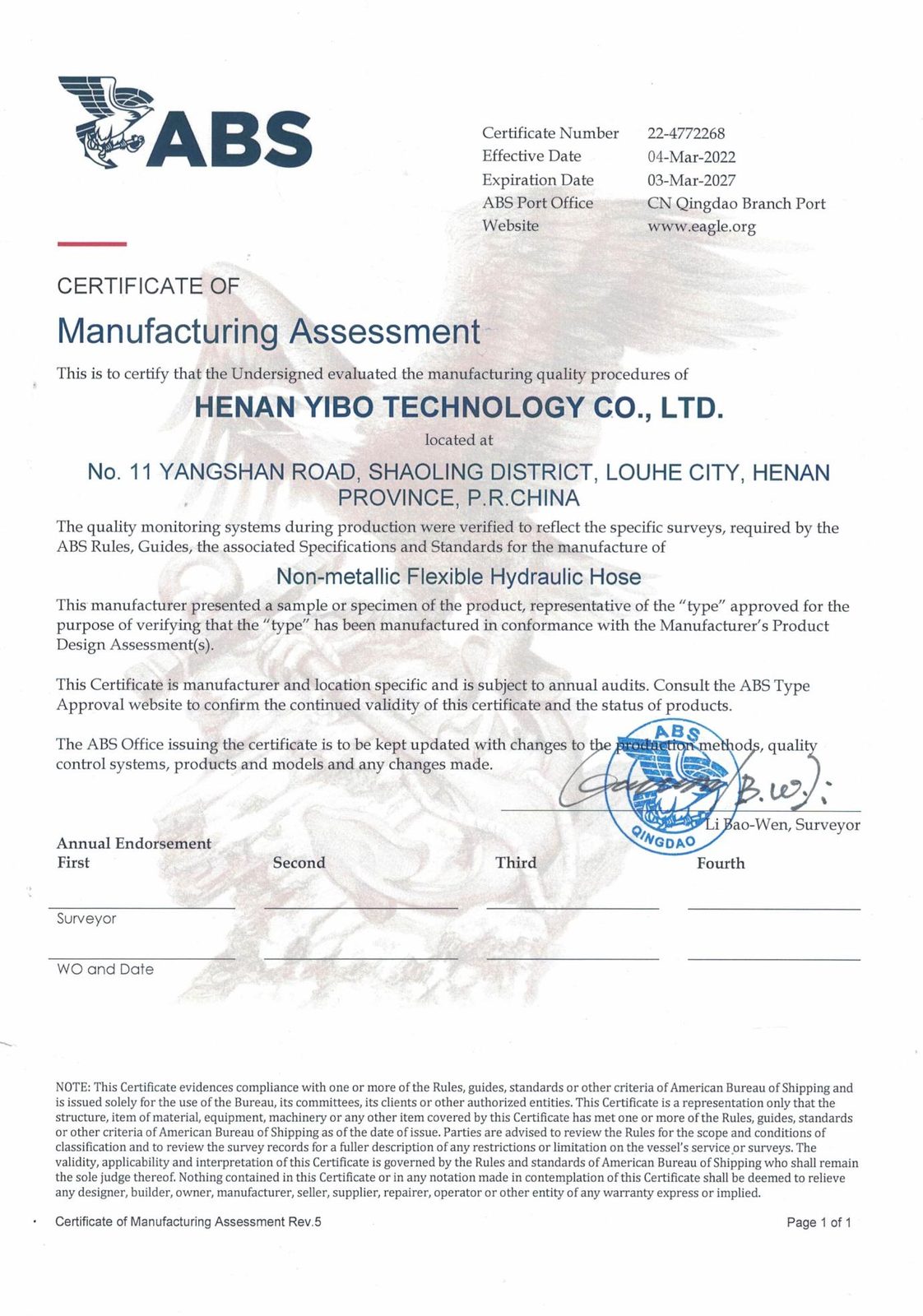
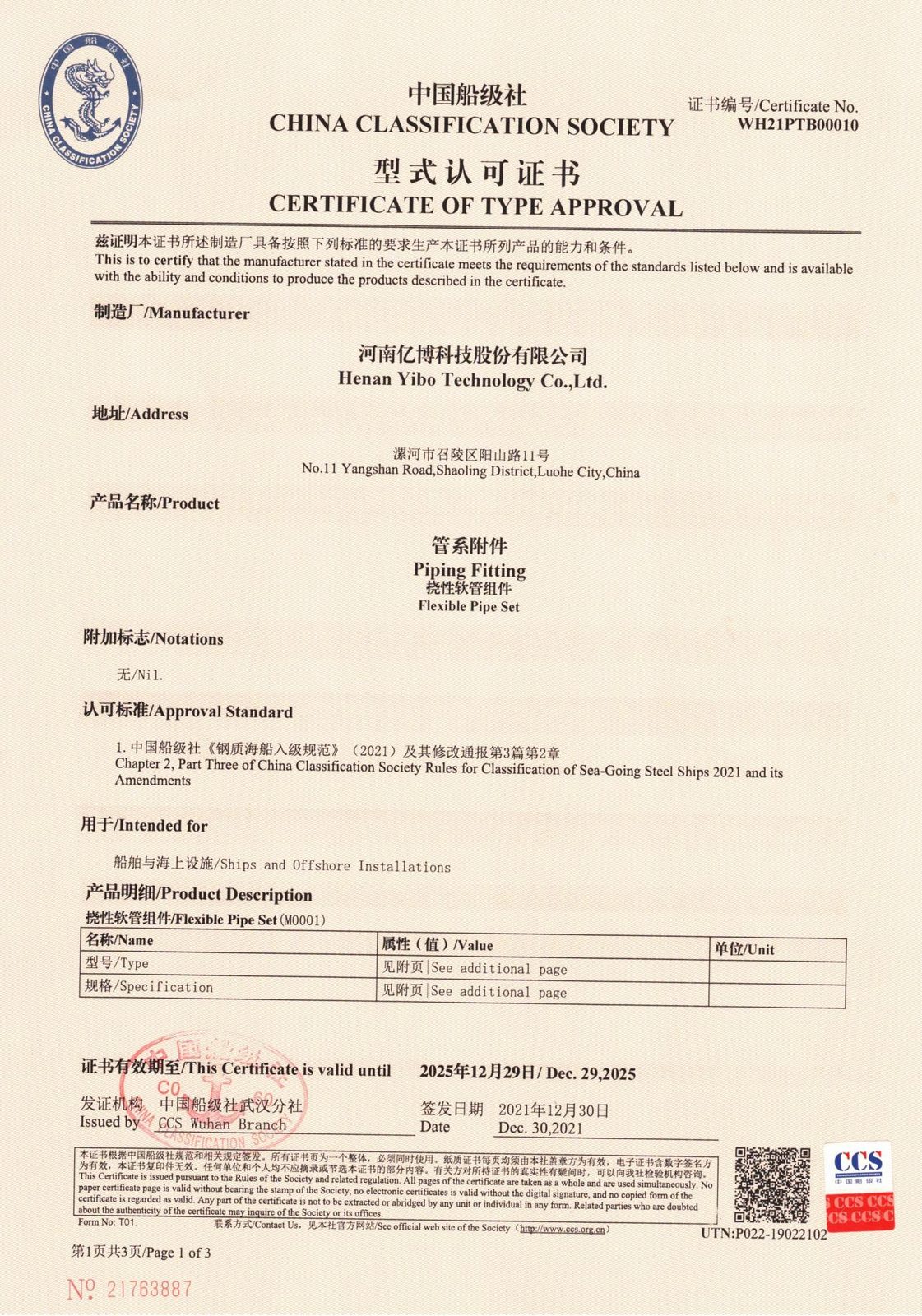
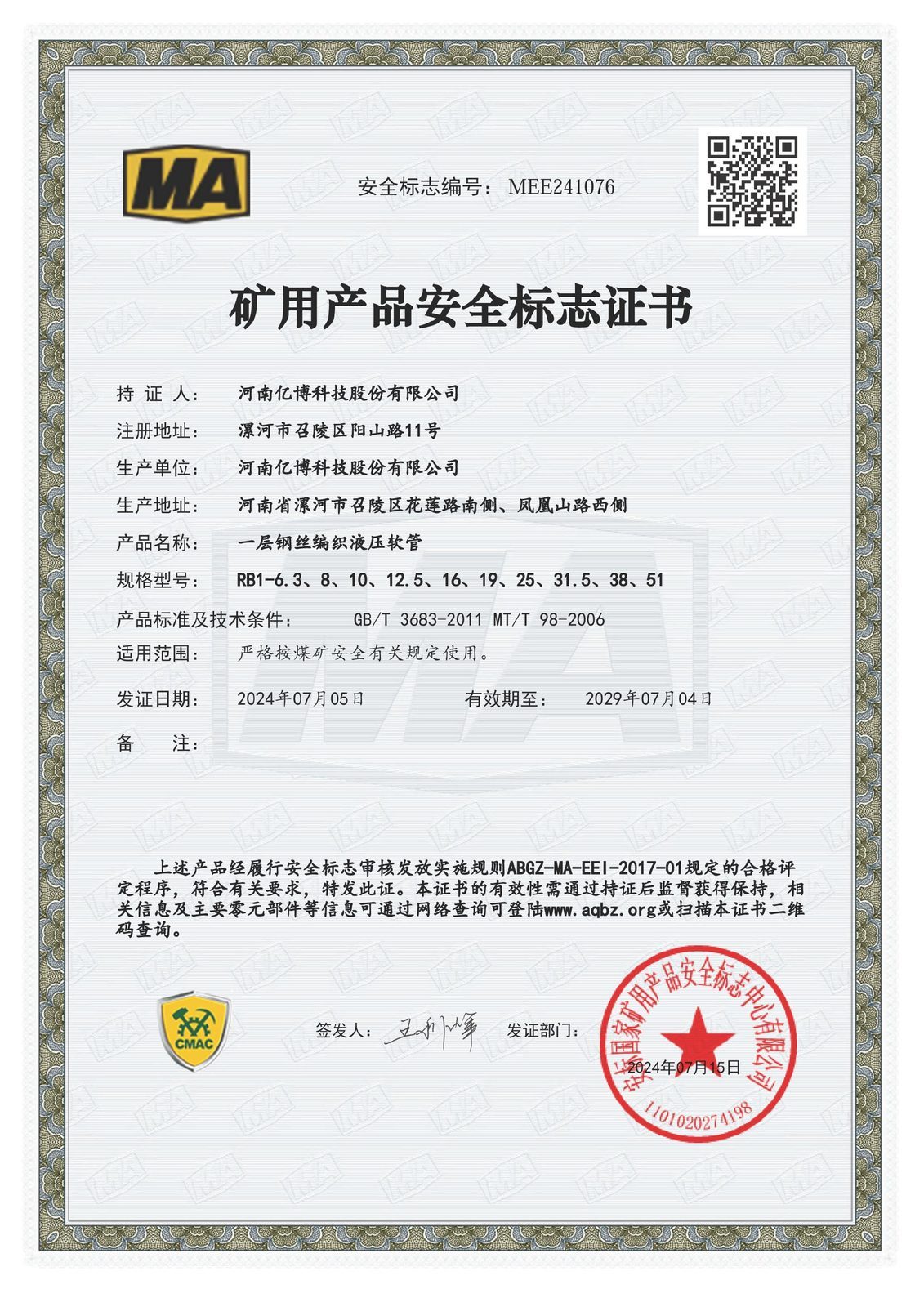
↓Certifications & factory photos
- Hose Construction
- Structure:UHMWPE + EPDM inner tube, high-tensile polyester cord and spiral steel wire reinforcement, EPDM cover
- Working Temperature:-40℃ to +120℃
- Hose Features
- Pressure Rating:10 bar working with 30 bar minimum burst — a 3.0× margin, quoted per code in the table below
- Size Coverage:9 codes, 19–152 mm bore, from 3/4" to 6"
- Bend Radius:Minimum bend radius 100–750 mm across the published codes
- Mass Per Metre:0.67–8.17 kg/m
- Application:Suction and delivery of acids, alkalis, solvents and process chemicals — tank unloading, tank farms and plant lines
24 Hours Service Hotline
+86 137 2136 0724


For distributors, OEMs & MRO buyers · 30+ countries · MOQ 100 m · free samples


In stock — ready to ship sooner than custom runs. Ask which sizes →
PRODUCT INTRODUCTION
UHMWPE-Lined Chemical Hose — 10 bar Working, 19 mm to 152 mm
The YIBO chemical delivery hose carries a UHMWPE liner inside an EPDM tube, reinforced with high-tensile polyester cord and a spiral steel wire, finished with an EPDM cover. It takes acids, alkalis, solvents and process chemicals in suction and delivery duty at the same time.
The range is 9 codes from 19 mm to 152 mm bore, 3/4 inch to 6 inch. Every row is rated 10 bar (150 psi) working with 30 bar (450 psi) minimum burst, a 3.0x margin. Mass runs 0.67 to 8.17 kg/m and the working window is -40 to +120 ℃.
Bend radius starts at 100 mm on the 3/4 inch code and opens to 750 mm at 6 inch. Standard coils are 61 m, and the 6 inch code ships as a 30.5 m coil because 8.17 kg/m stops being a two-person lift.
Chemical Delivery Hose Specification Table

| INNER DIAMETER I.D. (mm) | INNER DIAMETER I.D. (inch) | OUTER DIAMETER O.D. (mm) | WORKING PRESSURE W.P (psi) | WORKING PRESSURE W.P (bar) | BURST PRESSURE B.P. (psi) | BURST PRESSURE B.P. (bar) | BENDING RADIUS B.R. (mm) | WEIGHT (kg/m) | LENGTH (ft) | LENGTH (m) |
|---|---|---|---|---|---|---|---|---|---|---|
| 19 | 3/4" | 30 | 150 | 10 | 450 | 30 | 100 | 0.67 | 200 | 61 |
| 25 | 1" | 36 | 150 | 10 | 450 | 30 | 150 | 0.84 | 200 | 61 |
| 32 | 1-1/4" | 44 | 150 | 10 | 450 | 30 | 190 | 1.20 | 200 | 61 |
| 38 | 1-1/2" | 51 | 150 | 10 | 450 | 30 | 220 | 1.50 | 200 | 61 |
| 51 | 2" | 64 | 150 | 10 | 450 | 30 | 300 | 1.93 | 200 | 61 |
| 64 | 2-1/2" | 78 | 150 | 10 | 450 | 30 | 380 | 2.55 | 200 | 61 |
| 76 | 3" | 90 | 150 | 10 | 450 | 30 | 450 | 3.08 | 200 | 61 |
| 102 | 4" | 120 | 150 | 10 | 450 | 30 | 550 | 4.97 | 200 | 61 |
| 152 | 6" | 171 | 150 | 10 | 450 | 30 | 750 | 8.17 | 100 | 30.5 |
Values are reproduced from the official YIBO product page. psi columns = bar × 14.504, rounded. 10 bar working and 30 bar minimum burst is the ceiling of this range; the order data sheet governs the batch.
Chemical Hose Application & Selection
Start with the media: name, concentration and whether duty is continuous or batch. Acids, alkalis and solvents do not put the same demand on a liner, and no single hose covers all three — send the media list and we confirm compatibility before quoting.
Then the duty: working pressure, temperature, flow and routing. Suction duty needs the spiral-wire build or the bore collapses; delivery duty is selected against 10 bar working pressure. Ends are usually flanged above DN50, threaded or camlocked below it.
Lengths ship as 200 ft (61 m) coils, 100 ft (30.5 m) for 6", or cut to site measurement. Where an assembly is needed, ends are crimped and pressure-tested in-house before packing.
WHY THIS HOSE
Six Reasons This Hose Survives Chemical Duty
Chemical transfer fails on the liner first and on the reinforcement second. These six points are what the table says about both.
UHMWPE Liner Inside EPDM
The wetted surface is an ultra-high molecular weight polyethylene liner, not a plain rubber tube. It is the liner, not the cover, that decides which chemicals the hose can carry.
Spiral Wire Holds the Bore
Polyester cord plus spiral steel wire means the same hose takes suction and discharge. A plain delivery hose collapses on the inlet within one shift.
10 bar on Every Row
All nine codes from 19 mm to 152 mm are rated 10 bar working and 30 bar burst, so a large bore does not quietly lose pressure class the way a hydraulic range does.
Bend Radius to 750 mm
100 mm at the 3/4 inch code through to 750 mm at 6 inch. Big chemical lines are laid out on this number, not on the diameter alone.
Coil Length Printed
61 m coils up to the 4 inch code, and 30.5 m at 6 inch, because 8.17 kg/m turns a 61 m coil into a 498 kg load that needs a crane rather than two people.
Temperature to +120 ℃
The published window is -40 to +120 ℃. Above it the liner has to change, and we would rather quote a different body than sell this one outside its window.
CONSTRUCTION
Three Layers, Liner First
Inner Tube
UHMWPE liner bonded inside an EPDM tube, from 19 mm bore to 152 mm. The liner is the part that touches the chemical, so it is the part we quote against your media list.
Reinforcement
High-tensile polyester cord with a spiral steel wire. The spiral is what allows one hose to be used on both the suction and the discharge side at 10 bar.
Cover
EPDM cover, outside diameter 30 mm at the 3/4 inch code through to 171 mm at 6 inch.
APPLICATIONS
Where This Hose Is Used
Tank Truck Unloading
Acid, alkali and solvent discharge from road tankers, where the spiral keeps the bore open as the pump pulls.
Tank Farms
Tank-to-tank transfer and recirculation lines, sized from 2 inch to 6 inch depending on the pump curve.
Reactor Feed
Charging and dosing lines where the liner has to match the media rather than the temperature alone.
Effluent & Neutralised Streams
Waste transfer on plant, where a 4 inch line at 10 bar covers most sump pumps.
Coatings & Inks
Solvent-based product transfer, with a conductive build quoted separately where charge builds up.
Plating & Surface Treatment
Baths, rinse lines and dosing runs, where 1-1/2 inch is the usual working size.
HIGH-END INDUSTRY DIRECTIONS
What Chemical Buyers Ask For Now
Permeation and static are the two subjects that come up before price on most chemical enquiries.
① Permeation as a Criterion low permeation hose
Trend: VOC limits make permeation a procurement item, not a technical footnote.
Dohose: The liner is quoted against the media, so solvent loss through the wall stays low rather than being assumed.
② Static Dissipation conductive chemical hose
Trend: Flammable solvent transfer asks for charge dissipation as well as chemical resistance.
Dohose: Conductive builds are quoted as a separate construction, with the wire visible in the specification.
③ One Site, Many Media chemical hose
Trend: Plants handle acids, alkalis and solvents on the same site on different lines.
Dohose: Liner and cover are quoted against the actual media list, not a generic rating.
④ Cleanability clean chemical hose
Trend: Fine chemical and pharma duty needs a bore that drains without trapping residue.
Dohose: The liner is smooth by nature, and coils are capped before packing.
⑤ Temperature Headroom high temperature chemical hose
Trend: Process temperatures creep up and push elastomer liners toward their limit.
Dohose: The window is published at -40 to +120 ℃, so a duty outside it gets a different liner rather than a higher price.
⑥ Packaging Reduction eco-friendly hose
Trend: EU buyers score packaging reduction and end-of-life handling.
Dohose: Pallet packing can be reduced and recyclable marking supplied on request.
WHY DOHOSE
Seven Reasons Buyers Stay with Us
Numbers, Not Averages
Every figure for the Chemical Delivery Hose comes from the per-code table: 19–152 mm, 10 bar working, 30 bar burst.
One Line, Full Range
All 9 codes of the Chemical Delivery Hose come off the same line, so a mixed order in 19–152 mm ships together.
Length on Demand
Cut-to-length supply for Chemical Delivery Hose; each code carries its own mass, 0.67–8.17 kg/m, so lifting gear can be sized first.
Ends Done Here
Assemblies of Chemical Delivery Hose are crimped on site and held at test pressure before they are boxed.
Export Packing
Coiled in poly bags, then woven bags on pallets — loading plans are drawn for 9-code orders.
OEM Ready
Brand printing and custom packing are standard options on the Chemical Delivery Hose.
Fast, Firm Pricing
A firm price for Chemical Delivery Hose usually returns within 1 hour of your enquiry.
FAQ
Chemical Hose — Ten Questions From Plant Buyers
UHMWPE-lined hose vs a plain EPDM chemical hose?
The liner does the work. A plain EPDM tube will take mild chemicals, but the wetted surface of this hose is UHMWPE inside EPDM, and the whole range is rated 10 bar with 30 bar burst. If the media list includes solvents as well as water-based products, the UHMWPE liner is what allows one hose to cover both.
Can I use a standard water suction hose instead of a chemical hose for 30% caustic?
No. The water hose is an EPDM body without the UHMWPE liner, so the wetted surface is wrong for caustic even though both are rated 10 bar. Chemical duty is quoted on the liner first and the pressure second, which is why this page exists separately from the suction and discharge range.
What is the working pressure of the 2 inch chemical hose?
The 51 mm code is rated 10 bar working, 150 psi, with 30 bar (450 psi) minimum burst. Minimum bend radius on that row is 300 mm, mass is 1.93 kg/m, and the standard coil is 61 m, so a 2 inch order arrives as a 118 kg coil.
What bore for unloading a 20 m3 tanker in 30 minutes?
20 m3 in 30 minutes is 40 m3/h, about 667 l/min. A 3 inch (76 mm) bore moves that at roughly 2.5 m/s, which keeps the pump happy without hammering the liner; a 2 inch bore would need 5.4 m/s and starts to cost pressure. The 3 inch row is 3.08 kg/m with a 450 mm bend radius.
Which hose for solvent unloading at a tank farm?
3 inch or 4 inch of this body, with the conductive build quoted if the solvent is flammable. The spiral wire keeps the bore open against the pump, and 10 bar covers the discharge head on a normal tank farm layout. Tell us the media and the pump rate and the size follows.
Will the UHMWPE liner take 98% sulphuric acid at 60 ℃?
The liner is the right one for concentrated acid, and the published window of -40 to +120 ℃ covers 60 ℃. What decides the answer is concentration plus temperature together, so send both with the flow rate; at 2 inch the body is 1.93 kg/m and bends to 300 mm.
Why did the liner blister on solvent duty?
Usually because the solvent was quoted against the standard liner and not against the blend, or because the line was run under vacuum with a delivery-only hose. Permeation through the wall builds up behind the liner and shows as a blister. At 2 inch the body is 1.93 kg/m on a 300 mm bend radius, so the routing plus the media is what gets checked before the order is accepted.
Why does a chemical hose flatten on the suction side?
Because a delivery hose has no spiral. This body carries a spiral steel wire, which is why the same hose can be used on the inlet and the outlet. Check the bend radius as well: 100 mm at the 3/4 inch code and 750 mm at 6 inch, and a line pulled tighter than that kinks before it collapses.
Which Chinese manufacturer supplies UHMWPE chemical hose in bulk?
YIBO, in Luohe, Henan, builds the full chemical range on one line: 9 codes from 19 mm to 152 mm bore, 3/4 inch to 6 inch, all at 10 bar working. Bulk coils and flanged assemblies ship from the same plant, loading through Qingdao or Shanghai.
What does the chemical hose cost per metre, and how is it packed?
Price follows bore, liner and ends: 1.93 kg/m at 2 inch, 4.97 kg/m at 4 inch, 8.17 kg/m at 6 inch. Coils are 61 m up to 4 inch and 30.5 m at 6 inch, bagged and palletised. Send media, bore, length and destination for a firm figure the same working day.


Get a quote
Please fill out the form below and we will contact you within 1 hour.
We are online 24/7!
We will contact you within 1 hour of receiving your enquiry.
Hotline