
CONDUCTIVE CHEMICAL SUCTION AND DISCHARGE HOSE
ANTI-STATIC · CHEMICAL RESISTANT · SUCTION / VACUUM RATED · 10 bar working / 30 bar burst
↓Certifications & factory photos
- Hose Construction
- Structure:The inner wall adopts uhmwpe+epdm material, featuring high temperature resistance, oxidation resistance, excellent corrosion resistance to high‑concentration acid and alkali chemicals. it also has good uv resistance, aging resistance, wear resistance and anti‑static performance. with outstanding flexibility, the hose can adapt to a variety of harsh application scenarios
- Working Temperature:‑35℃ ~ +100℃
- Hose Features
- Pressure Rating:Rated 10 bar working with 30 bar minimum burst: a 3.0× safety margin, quoted per code in the table below.
- Mass Per Metre:From 0.63 to 7.62 kg/m depending on bore.
- Application:Used for suction and discharge, loading and unloading of chemicals requiring explosion‑proof and anti‑static performance, compatible with 98% of various corrosive media (strong acids, strong alkalis, various solvents)
- Outer Diameter:31.2–171.8 mm outside diameter over the range.
- Supply Length:Standard supply length 40 m.
24 Hours Service Hotline
+86 137 2136 0724


For distributors, OEMs & MRO buyers · 30+ countries · MOQ 100 m · free samples
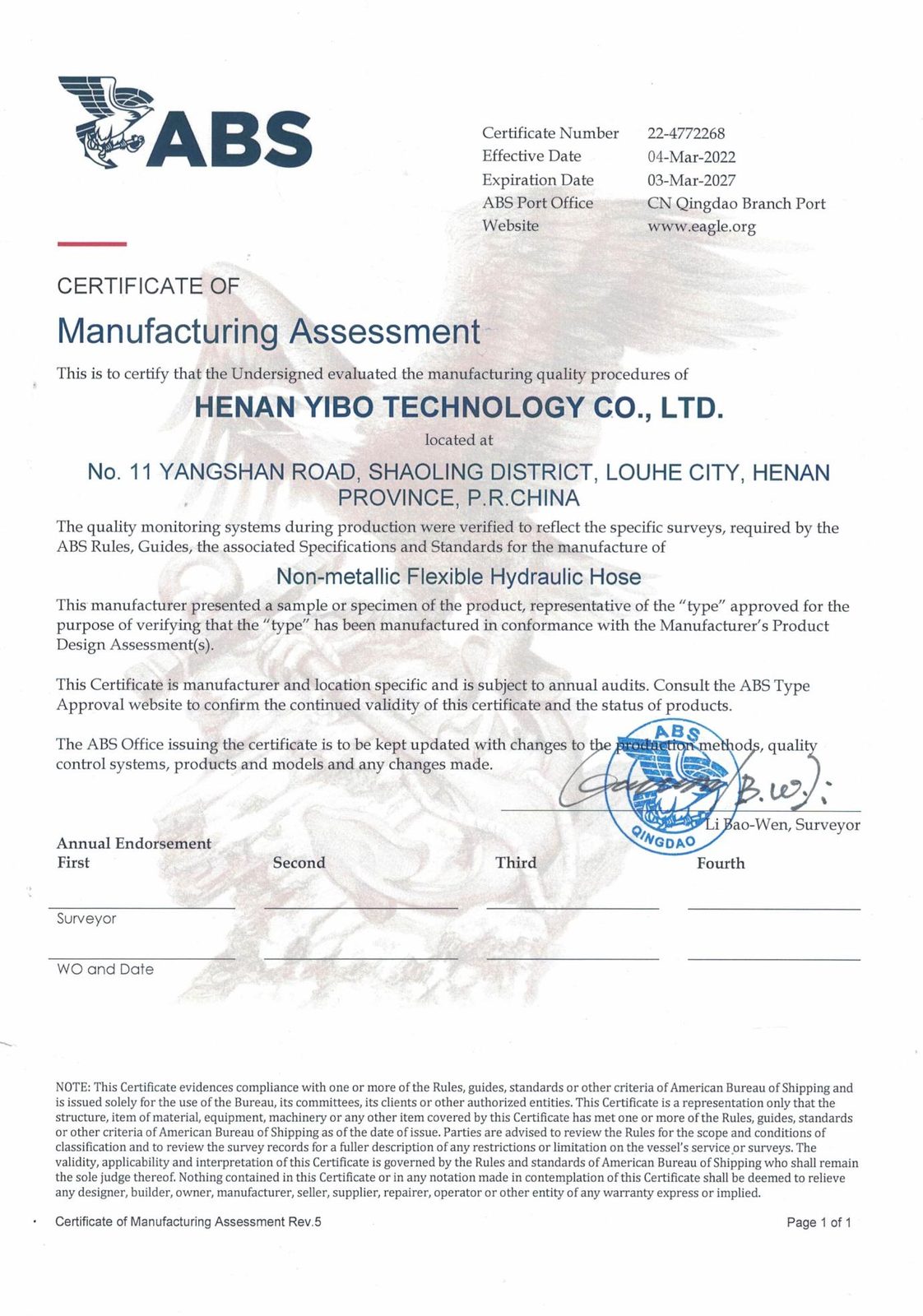
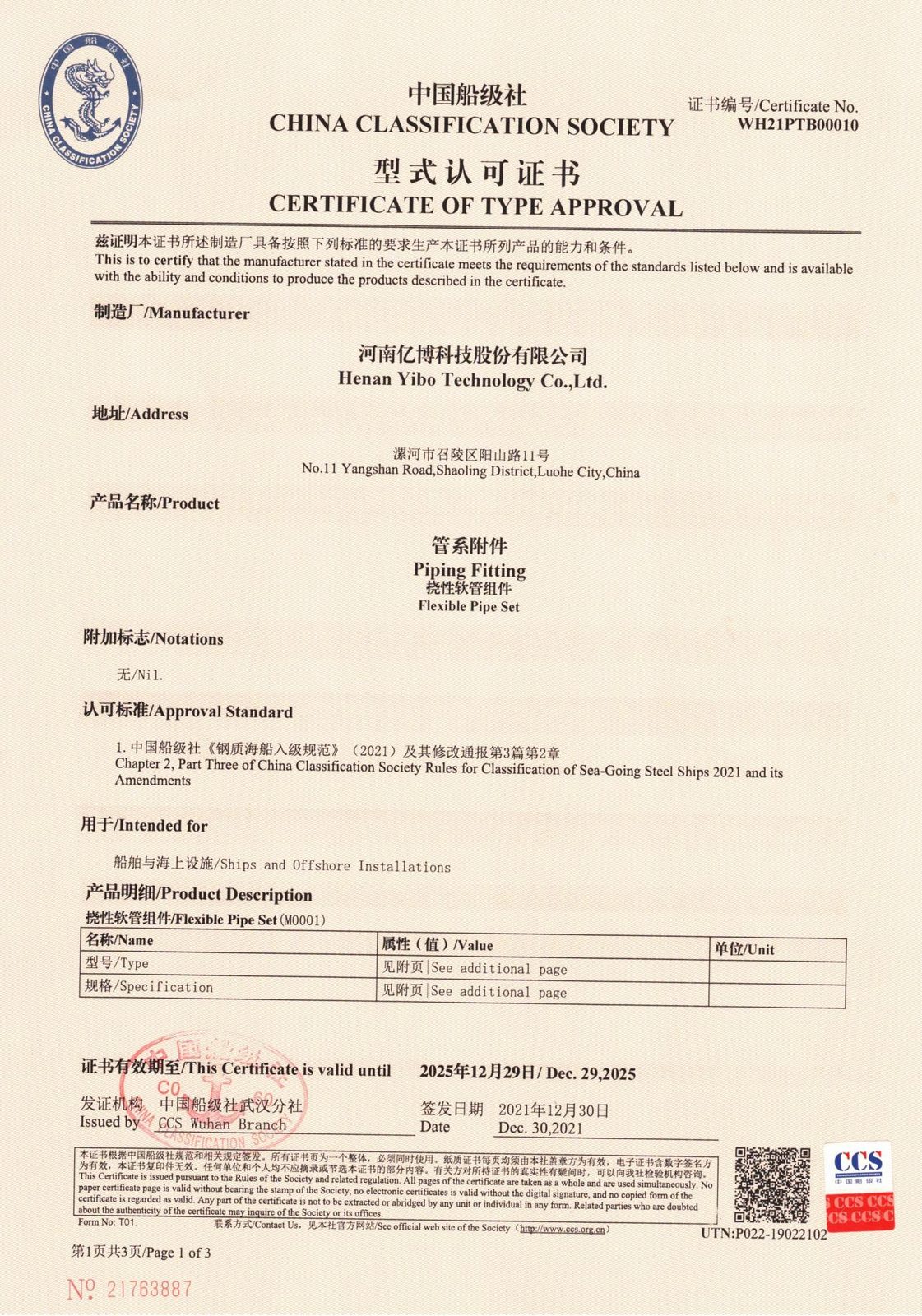
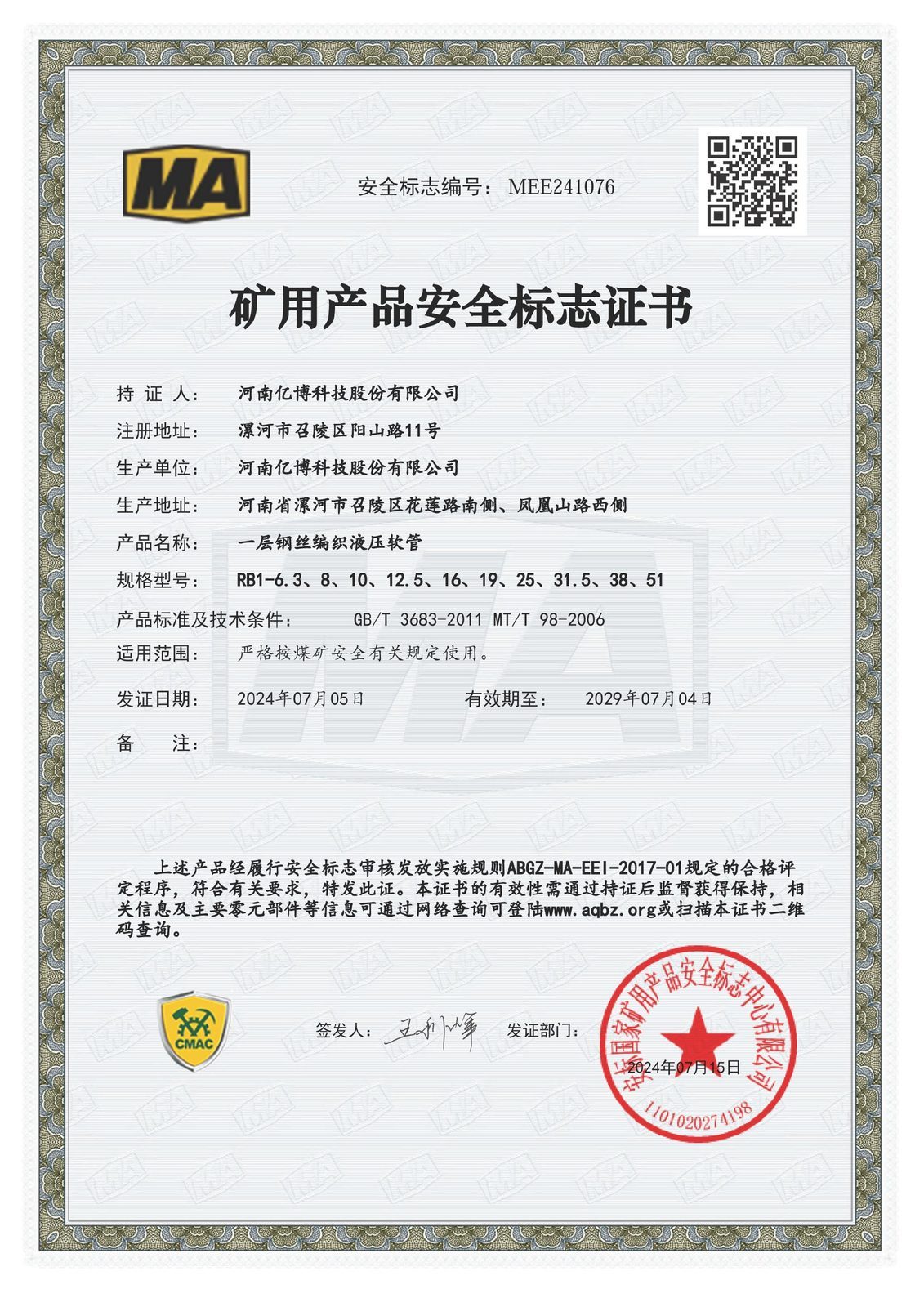


In stock — ready to ship sooner than custom runs. Ask which sizes →
PRODUCT INTRODUCTION
Conductive Chemical Suction Hose — Down to 6 inch, Under Vacuum
This is the emptying end of the same family: a hose that pulls corrosive product out of a tanker, a sump or a pit, with a conductive UHMWPE and EPDM liner for static dissipation, published in eleven codes from 19 mm to 152 mm at 10 bar working and 30 bar minimum burst.
The difference from the filling version is not the chemistry, it is the load. Here the pump is downstream, so the wall is squeezed from outside for the whole length of the suction stroke, and the line has to stay open through it. That is why the range runs to 6 inch: a 152 mm bore at 10 bar moves a tanker load quickly, and it is also the bore that is hardest to keep from collapsing.
Mass climbs with that bore — 0.63 kg/m at the 19 mm code, 3.34 kg/m at 102 mm and 7.62 kg/m at 152 mm — with the outside diameter running from 31.2 mm to 171.8 mm. The service window is -35 °C to +100 °C and every code is supplied in 40 m lengths.
Data Display
| ITEM CODE | I.D (mm) | I.D (inch) | O.D mm | W.P (bar) | psi | W.P (psi) | B.P (bar) | psi | B.P (psi) | WEIGHT kg/m | MAX LENGTH m |
|---|---|---|---|---|---|---|---|---|---|---|---|
| ASCHSD019-150 | 19 | 3/4" | 31.2 | 10 | 145 | 150 | 30 | 435 | 450 | 0.63 | 40 |
| ASCHSD025-150 | 25 | 1" | 37.2 | 10 | 145 | 150 | 30 | 435 | 450 | 0.78 | 40 |
| ASCHSD032-150 | 32 | 1-1/4" | 44.6 | 10 | 145 | 150 | 30 | 435 | 450 | 0.96 | 40 |
| ASCHSD038-150 | 38 | 1-1/2" | 51.6 | 10 | 145 | 150 | 30 | 435 | 450 | 1.21 | 40 |
| ASCHSD045-150 | 45 | 1-3/4" | 58.6 | 10 | 145 | 150 | 30 | 435 | 450 | 1.40 | 40 |
| ASCHSD051-150 | 51 | 2" | 64.6 | 10 | 145 | 150 | 30 | 435 | 450 | 1.56 | 40 |
| ASCHSD057-150 | 57 | 2-1/4" | 70.6 | 10 | 145 | 150 | 30 | 435 | 450 | 1.72 | 40 |
| ASCHSD064-150 | 64 | 2-1/2" | 78.6 | 10 | 145 | 150 | 30 | 435 | 450 | 2.19 | 40 |
| ASCHSD076-150 | 76 | 3" | 90.6 | 10 | 145 | 150 | 30 | 435 | 450 | 2.56 | 40 |
| ASCHSD102-150 | 102 | 4" | 117.4 | 10 | 145 | 150 | 30 | 435 | 450 | 3.34 | 40 |
| ASCHSD152-150 | 152 | 6" | 171.8 | 10 | 145 | 150 | 30 | 435 | 450 | 7.62 | 40 |
Values are reproduced from the official YIBO product page. psi columns = MPa × 145.038, rounded. 10 bar working and 30 bar minimum burst is the ceiling of this range; the order data sheet governs the batch.
Application & Selection
CONDUCTIVE CHEMICAL SUCTION AND DISCHARGE HOSE — Industrial & Food Hose. Used for suction and discharge, loading and unloading of chemicals requiring explo. CONDUCTIVE CHEMICAL SUCTION AND DISCHARGE HOSE covers 19–152 mm across 11 published codes.
CONDUCTIVE CHEMICAL SUCTION AND DISCHARGE HOSE tops out at 10 bar working over its 11 codes. This series weighs 0.63–7.62 kg/m. We crimp and test every build in-house, 11 codes in all. MOQ on CONDUCTIVE CHEMICAL SUCTION AND DISCHARGE HOSE is 100 m on standard items.
WHY THIS HOSE
Six Reasons Unloading Is Harder Than Loading
Filling a vessel is a push. Emptying one is a squeeze, and the hose has to survive the squeeze before it ever sees the pressure.
Vacuum First
Under suction the bore is loaded from outside and the wall tries to close. A loading hose never sees that load, which is the single reason this page exists alongside the transfer version.
Up to 6 inch
Eleven codes to 152 mm, where the filling version stops at 102 mm. A large bore unloads a tanker quickly and is the most demanding size to hold open.
Static at the Intake
The liner is conductive, so charge built up by product entering the hose is dissipated at the wetted surface rather than accumulating at a metal fitting in a hazardous area.
10 bar, 30 bar Burst
Every code is 10 bar working with 30 bar minimum burst, a 3:1 margin, on both the suction and the discharge stroke of the same connection.
Mass to 7.62 kg/m
The 152 mm code at 7.62 kg/m needs a support rather than a hand, which is why the last code is bought with the rigging in mind rather than only the bore.
40 m to the Pit
A 40 m length reaches from a tanker connection down into a sump without a joint in the wet section of the line.
CONSTRUCTION
Conductive Liner, Fibre, Cover
Inner Liner
A conductive UHMWPE and EPDM composite, published for corrosion resistance and static dissipation, in bores from 19 mm to 152 mm.
Reinforcement
High-strength synthetic fibre winding, sized to hold the bore under vacuum and to carry 10 bar on the discharge stroke.
Cover
The outer cover, from 31.2 mm outside at the 19 mm code to 171.8 mm at the 152 mm code.
APPLICATIONS
Where Product Comes Out
Tanker Unloading
The 152 mm code at 6 inch and 7.62 kg/m, emptying a road tanker in one pass.
Sump Emptying
The 51 mm code at 2 inch, pulling from a bunded pit at 10 bar on the discharge side.
Rail Car Draw-Off
The 102 mm code at 3.34 kg/m, on the suction leg of a rail unloading arm.
Drum Suction
The 19 mm code at 3/4 inch, emptying drums and carboys through a wand.
Reactor Drain
The 45 mm code at 1-3/4 inch, straight onto a standard flange.
IBC Emptying
The 32 mm code at 1-1/4 inch, on a pump-fed draw-off.
HIGH-END INDUSTRY DIRECTIONS
What an Unloading Operation Checks
The questions are about the bore at the tanker, the vacuum at the pit and whether the line is bonded.
① Bigger Unloading Arms suction hose
Trend: Tankers are emptied through 6 inch arms.
Dohose: 152 mm at 171.8 mm outside.
② Flattened Suction Lines vacuum hose
Trend: A blocked intake collapses the bore.
Dohose: Winding sized for the suction stroke.
③ Bonding at the Pit anti static hose
Trend: Sumps are classified areas too.
Dohose: Conductive liner on all eleven codes.
④ Handling the Big End large bore hose
Trend: 6 inch is rigged, not carried.
Dohose: 7.62 kg/m published on the last code.
⑤ One Family, Two Ends chemical hose
Trend: Operators want one brand on both sides.
Dohose: 19 to 152 mm, same liner and same rating.
⑥ Cold Loading Bays low temperature hose
Trend: Unloading runs through the night.
Dohose: -35 °C to +100 °C window.
WHY DOHOSE
Seven Reasons Buyers Stay with Us
Tolerances on the Sheet
Bore, wall and bend radius for the Conductive Chemical Suction and Discharge Hose are printed per code — 11 codes, 19–152 mm, no guessing between shipments.
Mixed Orders Welcome
Order several codes of the Conductive Chemical Suction and Discharge Hose at once; 11 sizes in 19–152 mm are built on the same equipment.
No Dead Stock
Order metres, not coils: Conductive Chemical Suction and Discharge Hose is cut to length, and mass runs 7.62 kg/m.
Crimped and Tested
Where a finished line is needed, Conductive Chemical Suction and Discharge Hose is crimped and pressure-tested in-house before packing.
Freight-Ready
Coils of Conductive Chemical Suction and Discharge Hose are bagged and palletised, with a 40HQ plan supplied before booking.
Your Name on It
The Conductive Chemical Suction and Discharge Hose can be printed and packed under your brand for resale.
Quote in One Hour
Send bore, media and end type for Conductive Chemical Suction and Discharge Hose — a firm price comes back within 1 hour.
FAQ
Conductive Chemical Suction Hose — Ten Questions
Suction hose vs the conductive transfer version — what changes?
The direction of the load and the top of the range. Both are conductive and rated 10 bar, but this one is built to be squeezed from outside and runs to 152 mm, where the transfer version stops at 102 mm.
Can the filling hose replace this one on a tanker?
Not safely. It carries the same bore and looks the same on the coil — the 102 mm code especially — but the wall is sized for a push rather than a pull, so a suction stroke flattens it, and a flattened hose on a chemical line is a spill waiting to happen.
What is the rating on the 6 inch code?
10 bar working with 30 bar minimum burst, on a 152 mm bore, a 171.8 mm outside diameter and 7.62 kg per metre, in a 40 m length. It is the only code this family has above 4 inch.
What is the smallest bore for a drum?
19 mm at 3/4 inch, with a 31.2 mm outside diameter and 0.63 kg per metre — the wand size for emptying drums and carboys.
Will it pull concentrated acid out of a sump?
Yes — the liner is a conductive UHMWPE and EPDM composite published for corrosive media under explosion-proof conditions, at 10 bar on all eleven codes, and the suction stroke is what the winding is sized for.
Is the static path still there on the suction side?
Yes, and it matters more there: the product enters the hose at speed and the charge arrives with it. The conductive liner dissipates it at the wetted surface, so even the 19 mm code does not need a separate bonding strap along its length.
Why is the burst margin 3:1?
Because 30 bar burst against 10 bar working is what the table publishes on every code, from 19 mm to 152 mm. It is the class an unloading pump is built to, and the suction load is a separate question that the winding answers.
Why does a suction hose flatten at the intake?
Because the intake is where the vacuum is highest and where a blockage raises it further. On the 152 mm code at 6 inch the flat area of the bore is largest, so a blocked strainer is felt first there — keep the intake clear and the line stays round.
What is the minimum order?
One length from the 40 m coil in any of the eleven bores, or cut pieces with crimped ends. The 152 mm code is normally ordered as a single length with the rigging specified alongside it.
How is the hose priced?
Per metre by bore, with the last code in a class of its own: 0.63 kg/m at 19 mm against 7.62 kg/m at 152 mm. Send bore, medium, suction lift and destination for a firm figure.
Related Products
AIR / Water Delivery HOSE
Inner Tube: NR + SBR (Natural Rubber + Styrene Butadiene Rubber) / Reinforcement: High-strengt…
Aircraft Refueling HOSE
Structure: special fuel-resistant rubber inner liner, resistant to swelling and permeation of…
Animal Feed/grain HOSE
Inner rubber layer: wear-resistant natural rubber (brown). reinforcement layer: high-strength…
Conductive Chemical Transfer HOSE
structure: inner liner of conductive UHMWPE+EPDM composite for corrosion and static resistance…
Get a quote
Please fill out the form below and we will contact you within 1 hour.
We are online 24/7!
We will contact you within 1 hour of receiving your enquiry.
Hotline