
SUCTION AND DISCHARGE HOSE
SEAWATER · WASTEWATER · SLURRY · 10 bar working / 30 bar burst
Reply within 1 hour · Bulk or cut-to-length · Ends fitted on request · OEM branding
↓Certifications & factory photos
- Hose Construction
- Structure:Rubber inner tube, spiral reinforcement and abrasion-resistant cover — one hose for suction and discharge
- Working Temperature:-20℃ to +80℃ for standard water service
- Hose Features
- Pressure Rating:10 bar working with 30 bar minimum burst — a 3.0× margin, quoted per code in the table
- Size Coverage:19–203 mm, 10 published codes from 3/4" to 8"
- Bend Radius:Minimum bend radius 100–1100 mm across the published codes
- Mass Per Metre:0.67–12.50 kg/m
- Application:Seawater handling, industrial wastewater, mine dewatering, construction dewatering and irrigation
24 Hours Service Hotline
+86 137 2136 0724


For distributors, OEMs & MRO buyers · 30+ countries · MOQ 100 m · free samples
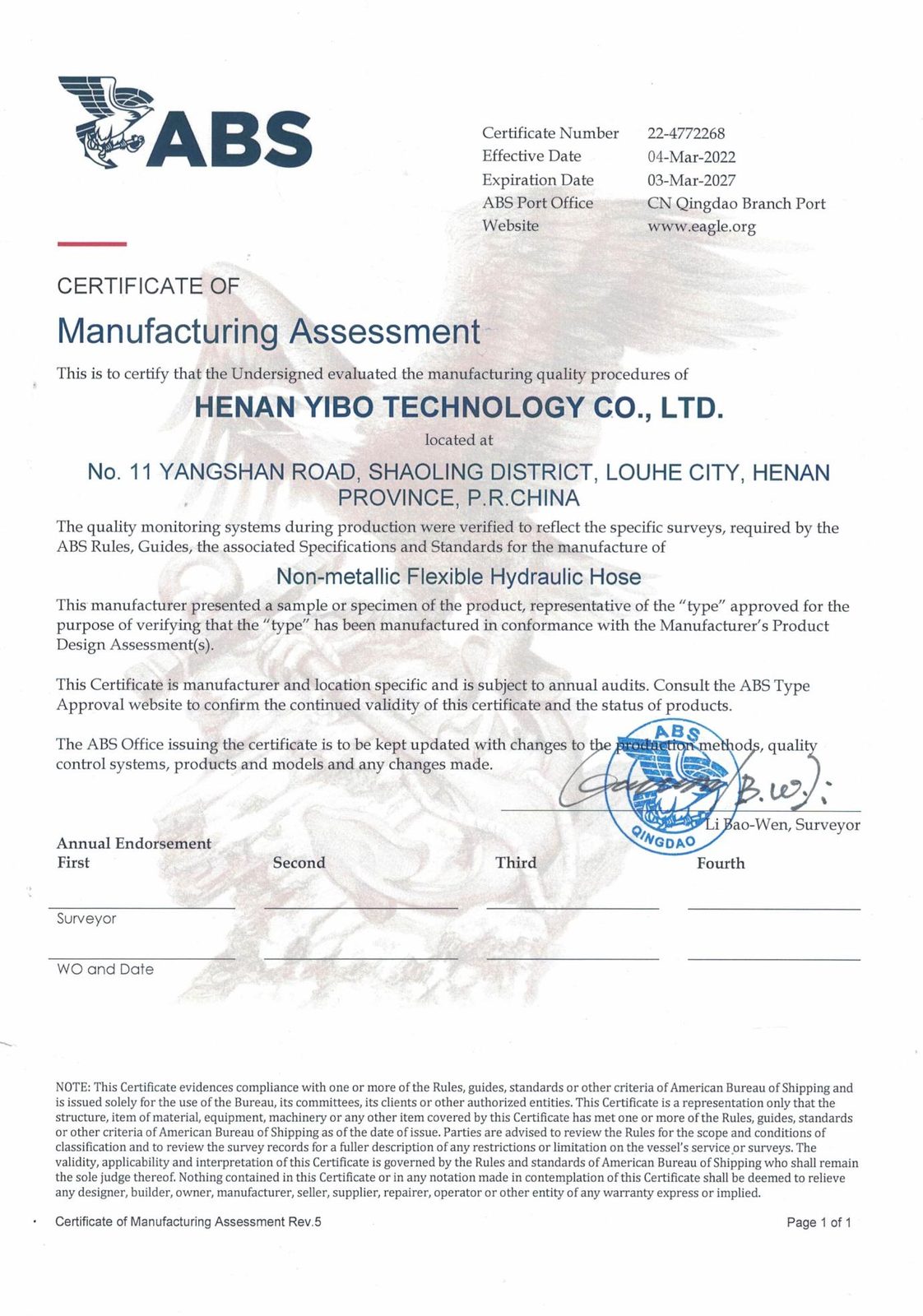
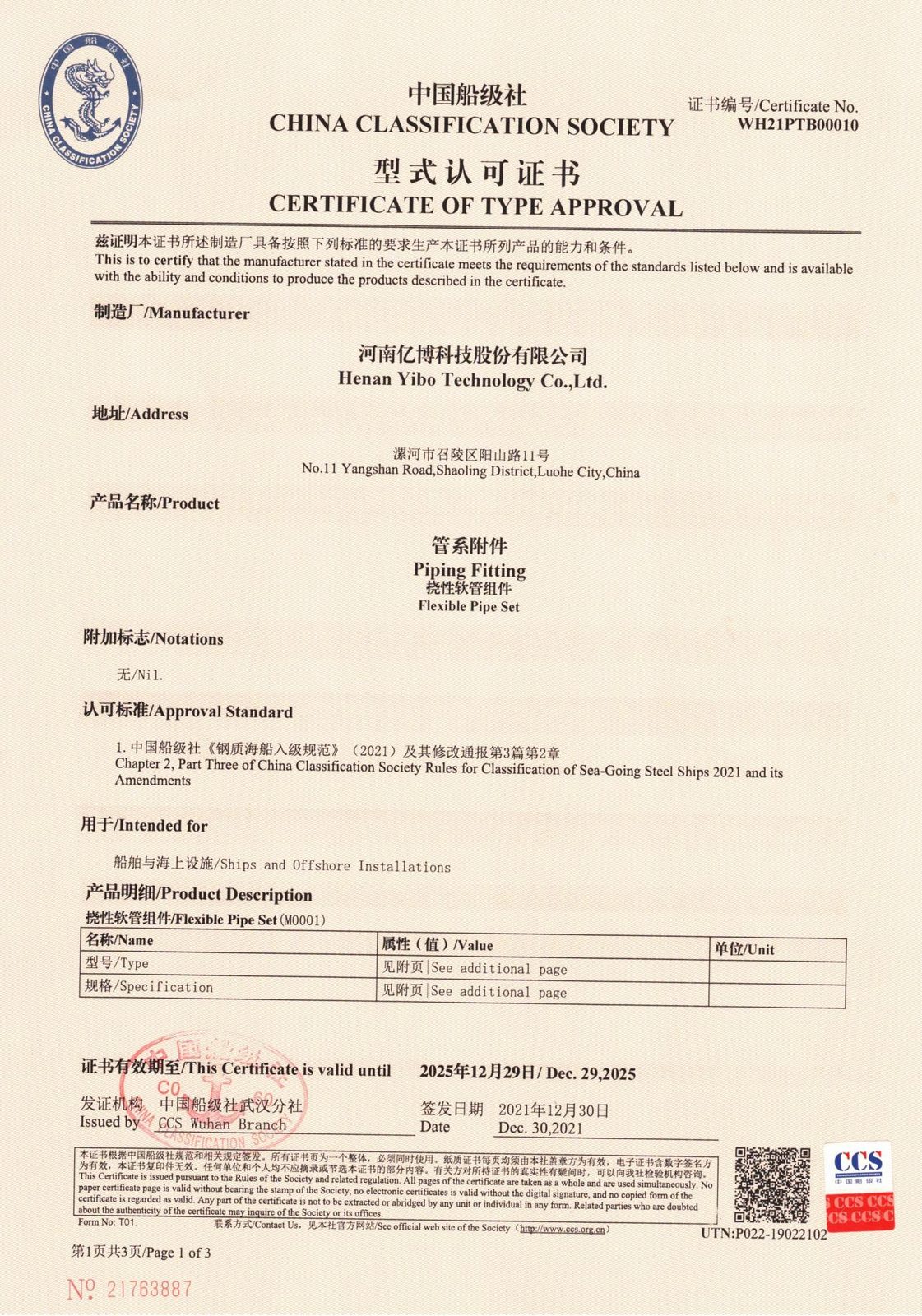
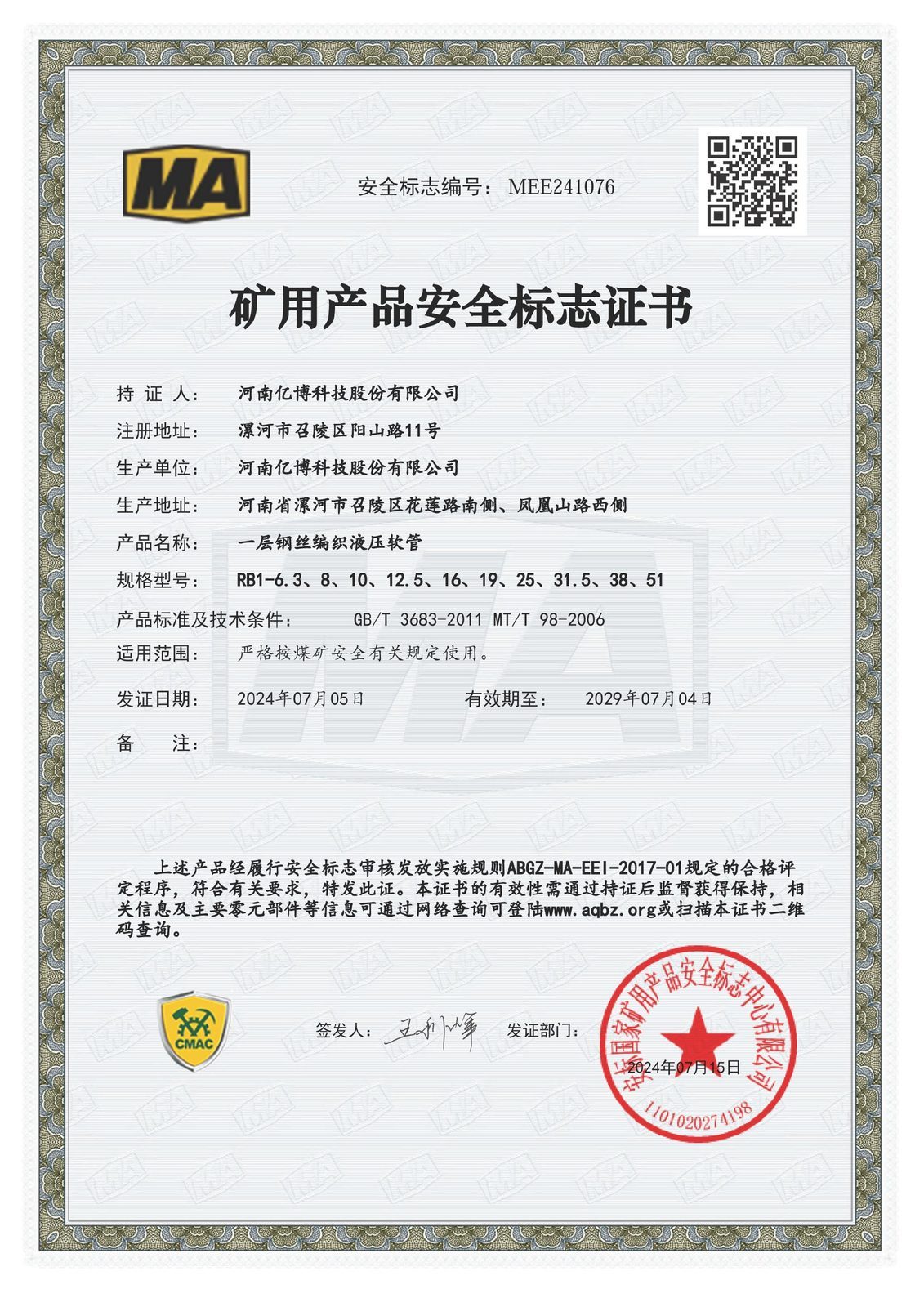


In stock — ready to ship sooner than custom runs. Ask which sizes →
PRODUCT INTRODUCTION
Suction and Discharge Hose — 10 bar, 19 mm to 203 mm, One Body
The YIBO suction and discharge hose is a rubber tube with spiral reinforcement and an abrasion-resistant cover, built so the same hose works on the inlet and the outlet of a pump instead of two different products on site.
The range is 10 codes from 19 mm to 203 mm bore, 3/4 inch to 8 inch. Every row is rated 10 bar (150 psi) working with 30 bar (450 psi) burst, a 3.0x margin, and the standard water window is -20 to +80 ℃.
Mass runs 0.67 to 12.50 kg/m and the minimum bend radius opens from 100 mm at 3/4 inch to 1100 mm at 8 inch. Coils are 61 m to the 4 inch code and 30.5 m above it.
Suction and Discharge Hose Specification Table

| INNER DIAMETER I.D. (mm) | INNER DIAMETER I.D. (inch) | OUTER DIAMETER O.D. (mm) | WORKING PRESSURE W.P (psi) | WORKING PRESSURE W.P (bar) | BURST PRESSURE B.P. (psi) | BURST PRESSURE B.P. (bar) | BENDING RADIUS B.R. (mm) | WEIGHT (kg/m) | LENGTH (ft) | LENGTH (m) |
|---|---|---|---|---|---|---|---|---|---|---|
| 19 | 3/4" | 30 | 150 | 10 | 450 | 30 | 100 | 0.67 | 200 | 61 |
| 25 | 1" | 36 | 150 | 10 | 450 | 30 | 150 | 0.84 | 200 | 61 |
| 32 | 1-1/4" | 44 | 150 | 10 | 450 | 30 | 190 | 1.20 | 200 | 61 |
| 38 | 1-1/2" | 51 | 150 | 10 | 450 | 30 | 220 | 1.50 | 200 | 61 |
| 51 | 2" | 64 | 150 | 10 | 450 | 30 | 300 | 1.93 | 200 | 61 |
| 64 | 2-1/2" | 78 | 150 | 10 | 450 | 30 | 380 | 2.55 | 200 | 61 |
| 76 | 3" | 90 | 150 | 10 | 450 | 30 | 450 | 3.08 | 200 | 61 |
| 102 | 4" | 120 | 150 | 10 | 450 | 30 | 550 | 4.97 | 200 | 61 |
| 152 | 6" | 171 | 150 | 10 | 450 | 30 | 750 | 8.17 | 100 | 30.5 |
| 203 | 8" | 224 | 150 | 10 | 450 | 30 | 1100 | 12.50 | 100 | 30.5 |
Values are reproduced from the official YIBO product page. psi columns = bar × 14.504, rounded. 10 bar working and 30 bar minimum burst is the ceiling of this range; the order data sheet governs the batch.
Suction & Discharge Hose Application & Selection
First decide suction or discharge. A pure discharge duty is selected on working pressure; a suction duty must use the spiral-reinforced construction, otherwise vacuum collapses the wall and flow drops away.
Then the bore: match the pump inlet and outlet and the required flow. The range runs 19–203 mm in 10 codes. Too small adds friction loss; too large drops velocity and lets solids settle — reading the pump curve is the reliable route.
Ends follow the equipment: flanges from DN50 upward, threads or quick couplings on smaller bores. Coils ship whole or cut to site measurement, and assemblies are crimped and tested before dispatch.
WHY THIS HOSE
Six Reasons One Hose Covers Both Sides
Dewatering jobs fail on the inlet far more often than on the outlet. These six points are why this body is quoted for both.
Spiral Reinforcement Holds the Bore
The spiral is what stops the hose pinching shut when the pump pulls. A delivery hose without it collapses on the suction side within a shift, which is the most common mistake on a dewatering job.
Ten Bores to 203 mm
19 mm to 203 mm, 3/4 inch to 8 inch, all at 10 bar working. A pit pump and a 8 inch header can be ordered on one line instead of two.
10 bar on Every Row
Working pressure does not fall away with bore as it does on a hydraulic range: every code from 19 mm to 203 mm is 10 bar with 30 bar burst.
Bend Radius to 1100 mm
100 mm at 3/4 inch through to 1100 mm at 8 inch, published per row, because a large bore kinks long before it bursts.
Abrasion-Resistant Cover
Dewatering and dredging lines get dragged over concrete and gravel. The cover is selected for that, not for a clean workshop floor.
Temperature Window Stated
-20 to +80 ℃ for standard water service. Above that the compound changes, and we would rather quote a different body than stretch this one.
CONSTRUCTION
Three Layers, Spiral in the Middle
Inner Tube
Rubber tube bored from 19 mm to 203 mm, selected for water, wastewater and mild slurries rather than for oils or solvents.
Reinforcement
Spiral reinforcement, which is the layer that carries vacuum. It is also why the same hose can be used on the discharge side at 10 bar.
Cover
Abrasion-resistant rubber cover, outside diameter 30 mm at the 3/4 inch code through to 224 mm at 8 inch.
APPLICATIONS
Where Suction and Discharge Hose Is Used
Construction Dewatering
Sump and foundation pit drainage, with the suction leg at 4 inch to 8 inch and the outlet run in the same body.
Mine & Quarry Dewatering
Drift and pit drainage where the line is dragged over rock and the cover takes the wear.
Wastewater & Sludge
Effluent and sludge transfer, with 4 inch at 4.97 kg/m covering most sump pumps.
Seawater & Marine
Intake and bilge transfer at the quay, inside the -20 to +80 ℃ water window.
Tank Truck Unloading
Gravity and pump-assisted discharge from road tankers at 3 inch and 4 inch.
Irrigation Mains
Pump suction and main delivery lines on agricultural and landscape watering.
HIGH-END INDUSTRY DIRECTIONS
What Dewatering Buyers Ask For Now
Flow rates keep rising and the hose keeps getting dragged further, which is what drives most of these requests.
① Larger Bores large diameter hose
Trend: Dewatering flows keep rising, pushing demand above 6 inch.
Dohose: The range already reaches 203 mm bore at 8 inch, still rated 10 bar, with a published 1100 mm bend radius.
② Abrasion Upgrade abrasion resistant hose
Trend: Sand and slurry wear the bore fastest and drive replacement frequency.
Dohose: The cover is abrasion-resistant as standard, and the bore is quoted against the solids in the media.
③ Lighter Handling lightweight hose
Trend: At large bores the mass per metre decides whether two people can move a coil.
Dohose: Mass is published from 0.67 kg/m at 3/4 inch to 12.50 kg/m at 8 inch, so lifting can be planned.
④ Outdoor Storage outdoor hose
Trend: Site hose spends its life in the sun, and UV ages the cover before the tube wears out.
Dohose: The cover compound is selected for outdoor service, and coils ship bagged rather than bare.
⑤ One Hose, Two Sides suction discharge hose
Trend: Site teams want a single hose type on the truck rather than a suction set and a delivery set.
Dohose: The spiral reinforcement lets one 10 bar body work on both sides of the pump.
⑥ Packaging Reduction eco-friendly hose
Trend: Larger buyers score packaging reduction and end-of-life handling.
Dohose: Pallet packing can be reduced and recyclable marking supplied on request.
WHY DOHOSE
Seven Reasons Buyers Stay with Us
Tolerances on the Sheet
Bore, wall and bend radius for the Suction and Discharge Hose are printed per code — 10 codes, 19–203 mm, no guessing between shipments.
Mixed Orders Welcome
Order several codes of the Suction and Discharge Hose at once; 10 sizes in 19–203 mm are built on the same equipment.
No Dead Stock
Order metres, not coils: Suction and Discharge Hose is cut to length, and mass runs 0.67–12.50 kg/m.
Crimped and Tested
Where a finished line is needed, Suction and Discharge Hose is crimped and pressure-tested in-house before packing.
Freight-Ready
Coils of Suction and Discharge Hose are bagged and palletised, with a 40HQ plan supplied before booking.
Your Name on It
The Suction and Discharge Hose can be printed and packed under your brand for resale.
Quote in One Hour
Send bore, media and end type for Suction and Discharge Hose — a firm price comes back within 1 hour.
FAQ
Suction and Discharge Hose — Ten Questions From Site Buyers
Suction hose vs delivery hose — what is the difference?
The reinforcement. A suction hose carries a spiral that resists vacuum; a delivery hose carries pressure only. This body has the spiral, so it is rated 10 bar on both sides and works on the inlet and the outlet of the same pump. Put a plain delivery hose on a pump inlet and it pinches shut the first time the pump pulls hard.
Can I use a layflat hose on the outlet instead of this?
For a long, light discharge run, yes, and layflat has its place. What layflat cannot do is hold vacuum, so the inlet leg still needs a spiral body. At 8 inch this hose is 12.50 kg/m, which is why sites often use layflat on the outlet and keep the heavy body on the suction side only.
What is the working pressure of the 8 inch suction hose?
The 203 mm code is rated 10 bar working (150 psi) with 30 bar (450 psi) minimum burst. Minimum bend radius is 1100 mm, mass is 12.50 kg/m, and the coil is 30.5 m because 61 m of it would weigh over 760 kg.
What bore for 300 m3/h of pit dewatering?
300 m3/h is 83 l/s. An 8 inch (203 mm) bore moves that at roughly 2.6 m/s, a 6 inch bore needs 4.6 m/s, and a 4 inch bore would be well past what the pump can push. The 8 inch row is 12.50 kg/m with a 1100 mm bend radius, and the 6 inch row is 8.17 kg/m at 750 mm.
Can this hose be used for seawater intake?
Yes, inside the -20 to +80 ℃ water window, which covers any seawater duty. The cover is abrasion-resistant for quay and deck use, and the spiral holds the bore against the pump. Tell us if the line sits permanently submerged, because that changes the fitting spec rather than the hose.
Will it handle sludge and sand without wearing out?
It handles them, but abrasion is a life question rather than a pass or fail one. The cover is abrasion-resistant and the bore is rubber, so a line carrying sand at 4 inch and 4.97 kg/m will wear at the bends first. Fit the widest bend the layout allows, since a straight run wears far more slowly than a kinked one.
Why does the hose flatten on the suction side?
Either the hose has no spiral, or the bend is tighter than its minimum. At 8 inch the minimum is 1100 mm and at 6 inch it is 750 mm; a line pulled tighter than that kinks before the pump manages to collapse it, and once kinked the bore does not fully recover.
Why does the cover wear through at the bend?
Because the bend is where the hose touches the ground and where the flow turns. On an 8 inch line the mass is 12.50 kg/m, so the hose sits hard on concrete rather than lifting clear. A hose ramp or a support at the bend is usually cheaper than replacing the coil twice a season.
Which Chinese manufacturer supplies suction and discharge hose in bulk?
YIBO, in Luohe, Henan, builds 10 codes from 19 mm to 203 mm bore, 3/4 inch to 8 inch, on one line, all rated 10 bar working. Flanges from DN50, camlocks and threads below that, and every flanged assembly is tested before dispatch.
What does the suction hose cost per metre, and how heavy is a coil?
Price follows bore and ends: 1.93 kg/m at 2 inch, 4.97 kg/m at 4 inch, 12.50 kg/m at 8 inch. The 8 inch coil is 30.5 m, about 381 kg, so it arrives on a pallet and needs a lift. Send bore, length, ends and destination for a firm figure the same working day.


Get a quote
Please fill out the form below and we will contact you within 1 hour.
We are online 24/7!
We will contact you within 1 hour of receiving your enquiry.
Hotline