
Hydraulic Hose for Truck Cranes
FACTORY DIRECT · ISO 9001 · OEM AVAILABLE · 450 bar working / 1800 bar burst · 4 sizes
Reply within 1 hour · Bulk cut-to-length & crimped assemblies · OEM branding
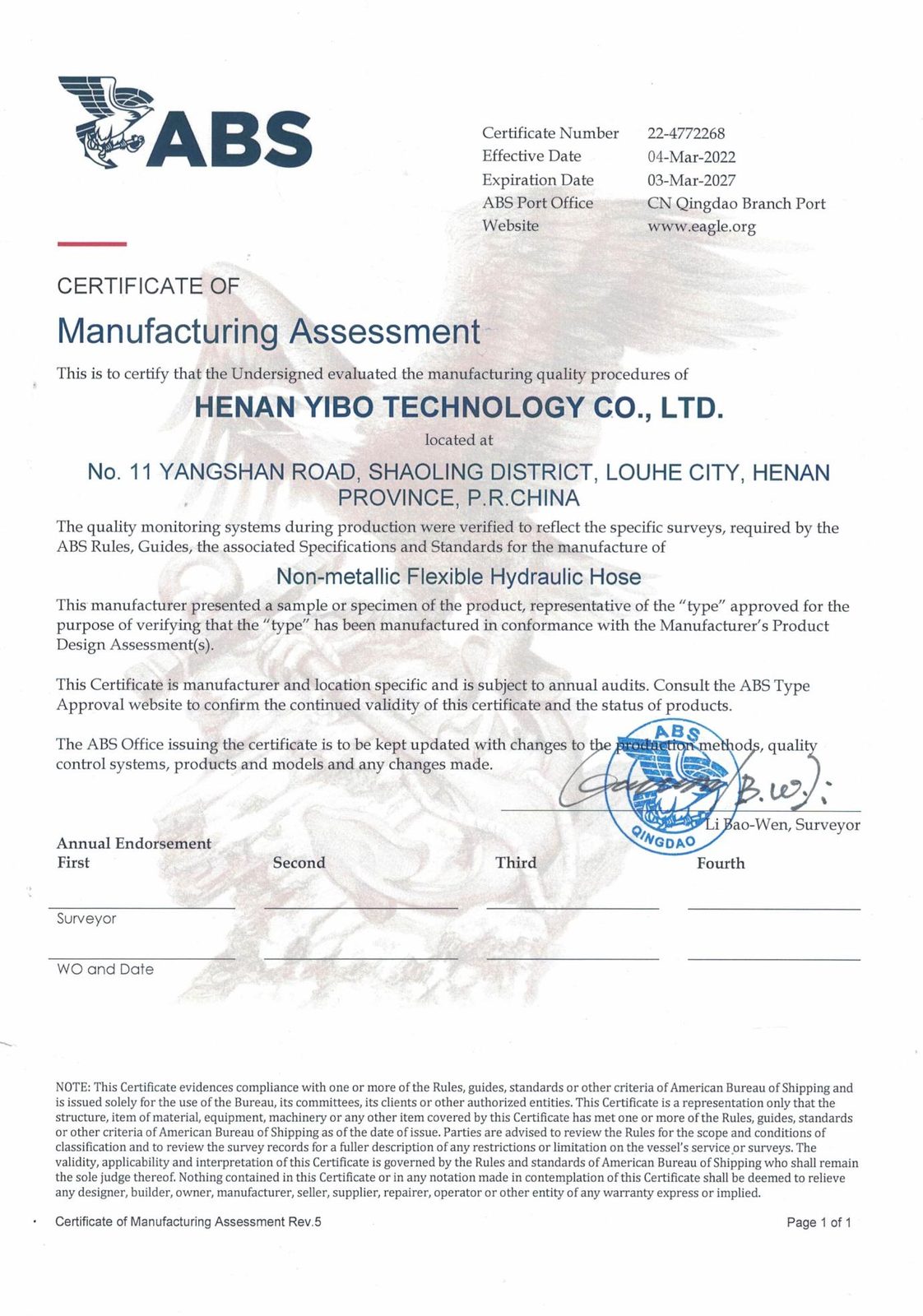
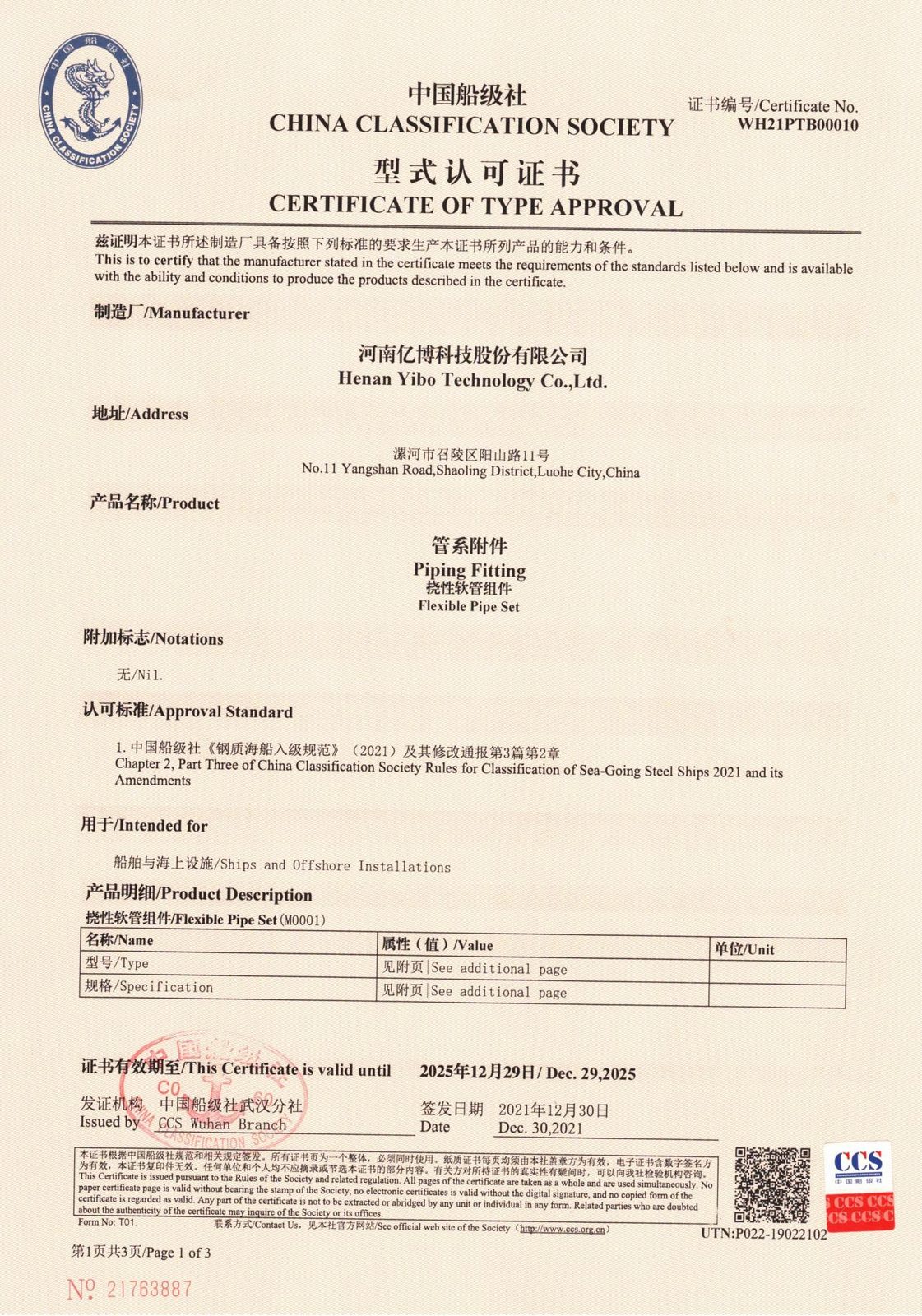
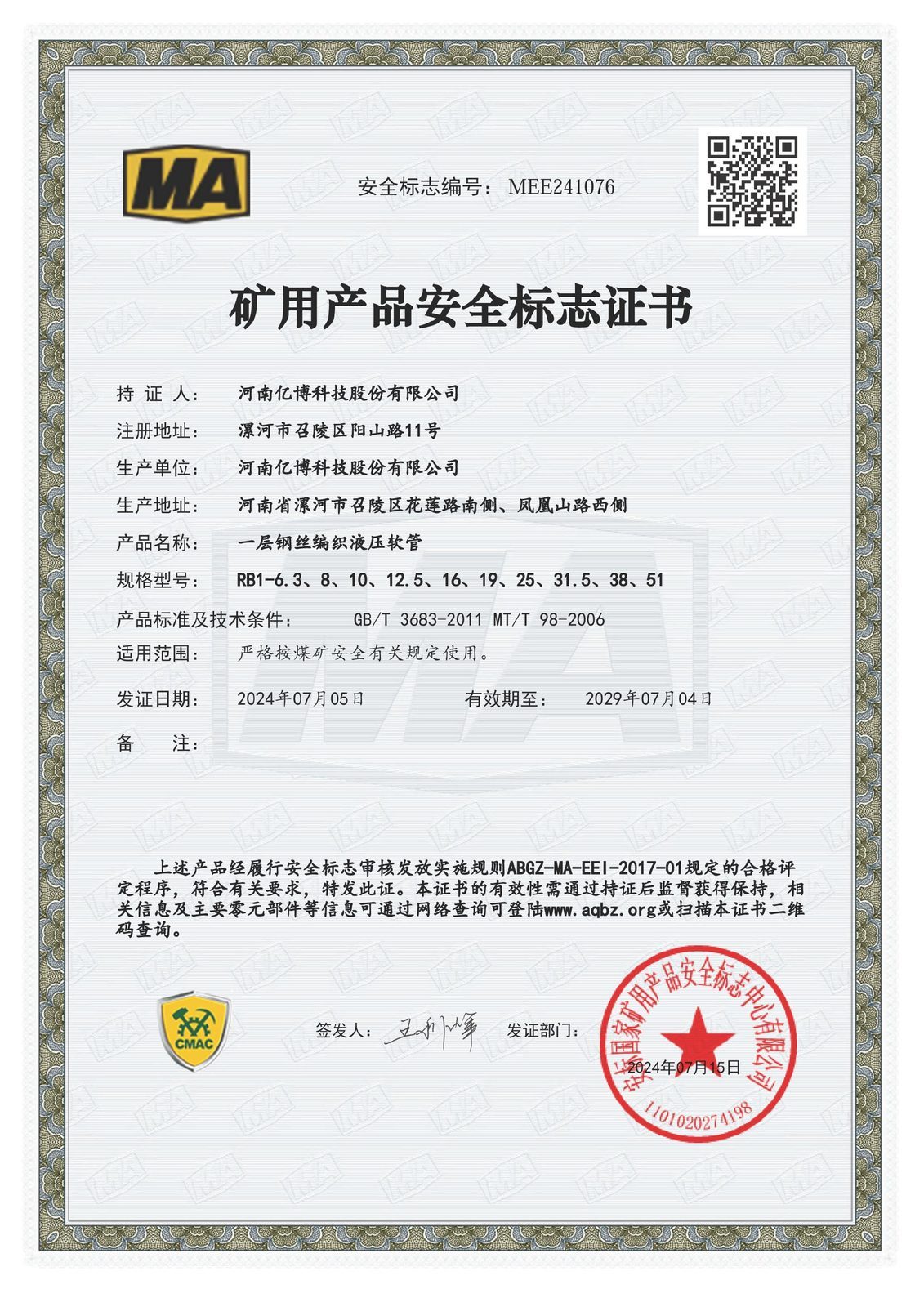
↓Certifications & factory photos
- Hose Construction
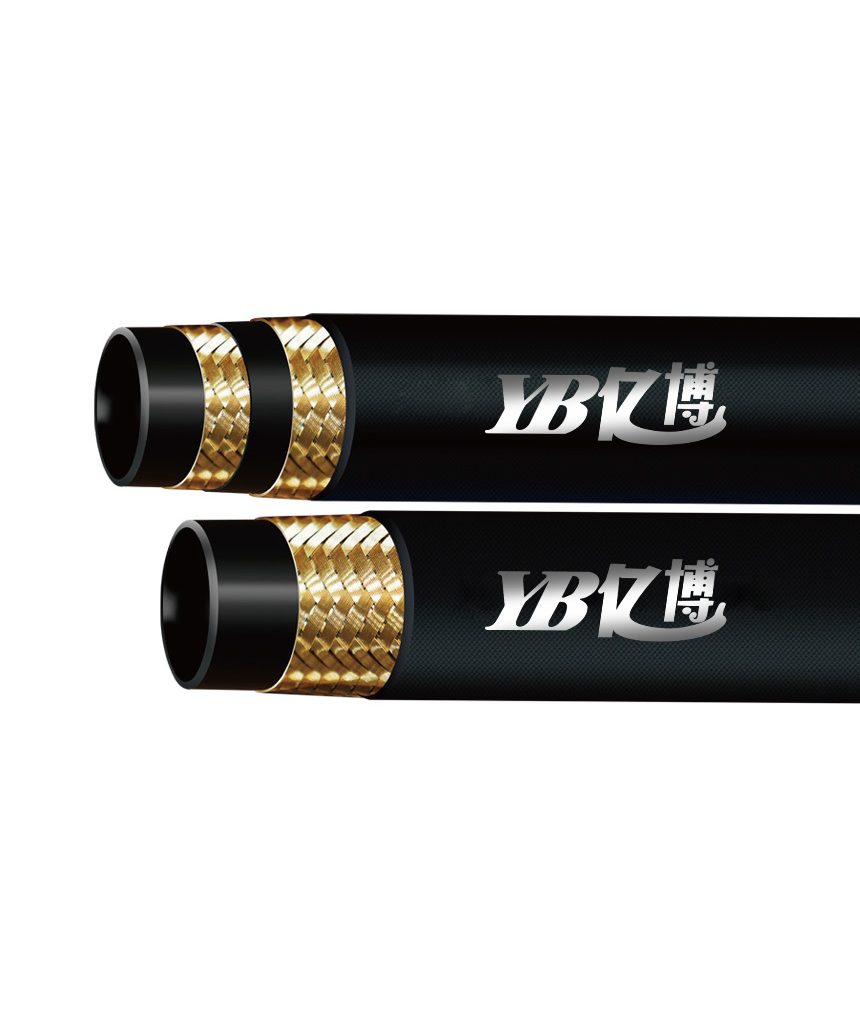
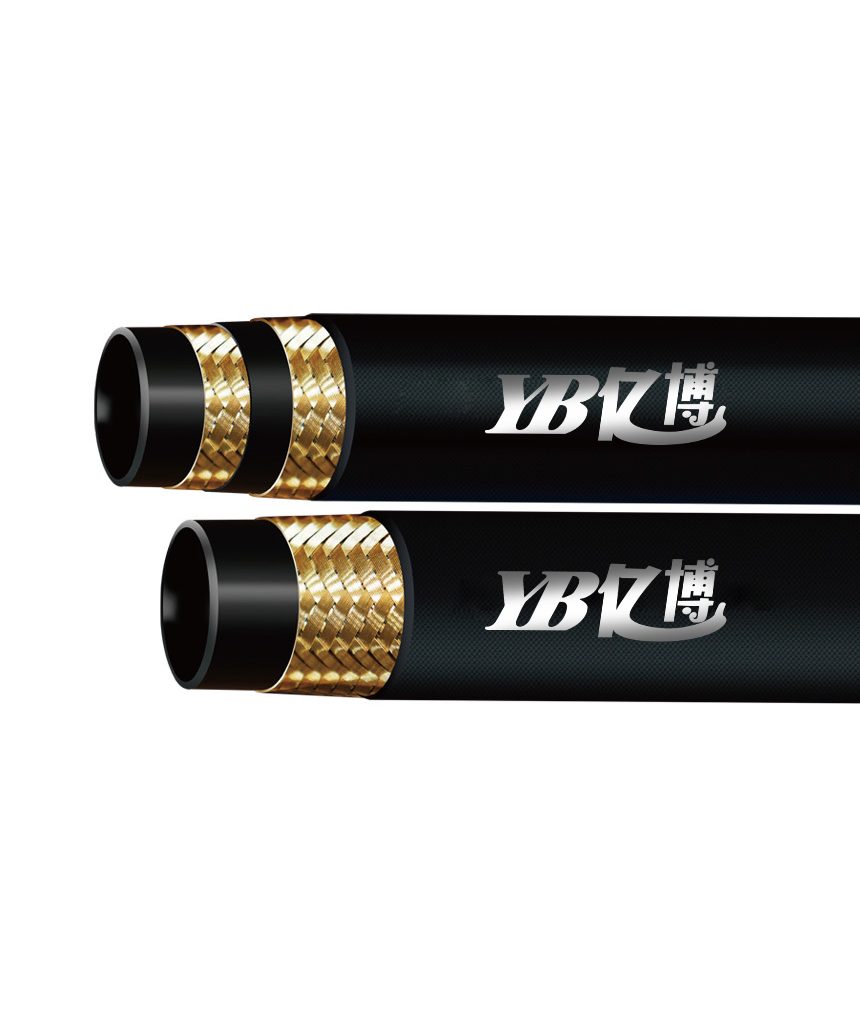
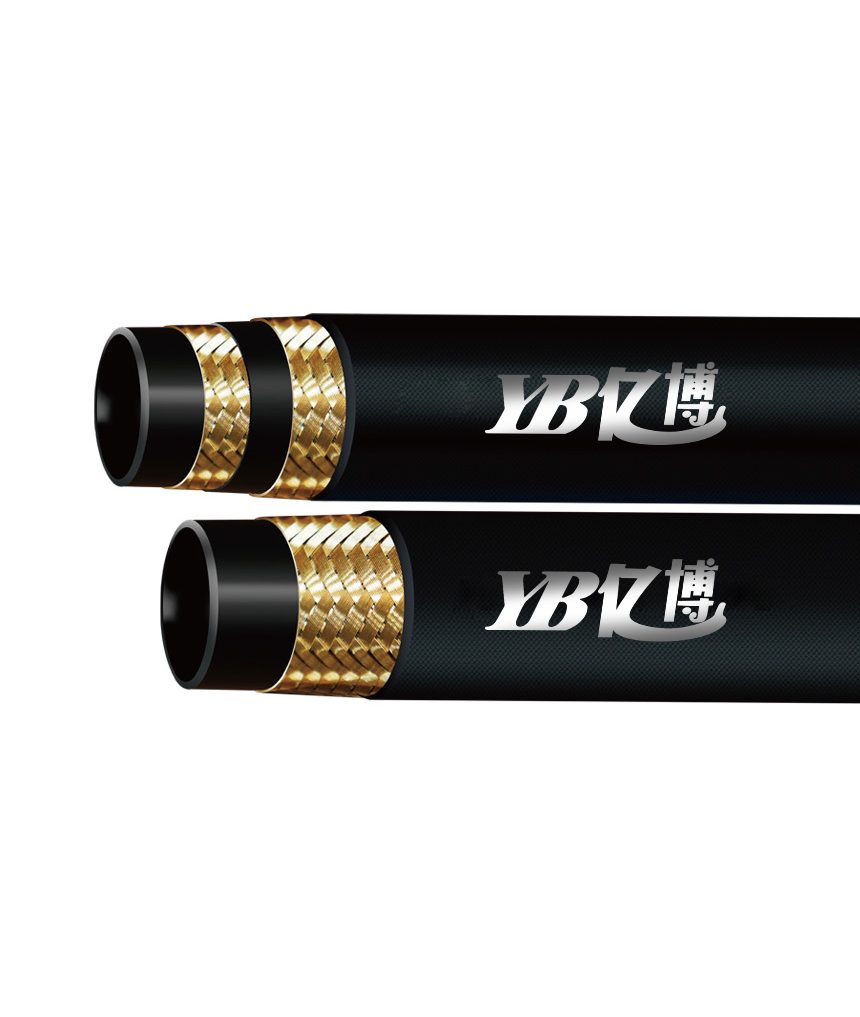
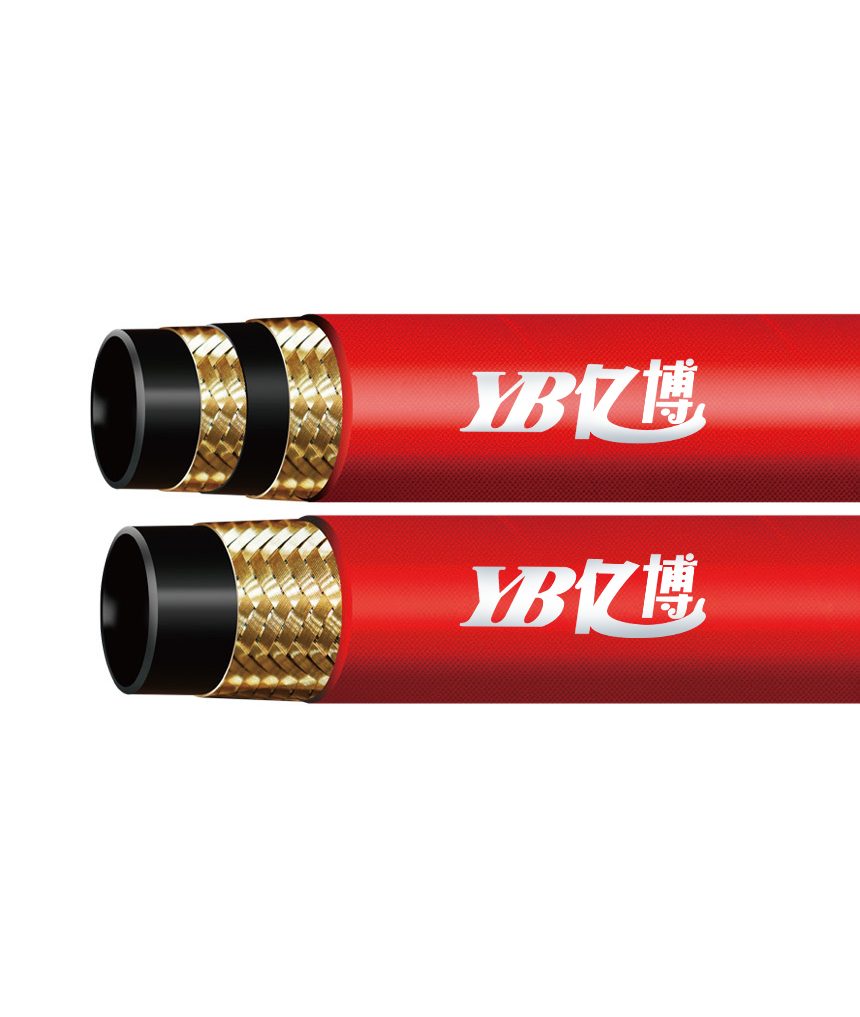
- Structure:Inner tube of oil-resistant NBR, four layers of high-tensile steel wire spiral, and an abrasion-resistant cover
- Working Temperature:−40°C to +100°C, continuous duty under boom stall loads
- Hose Features
- Bend Radius:150–250 mm depending on bore and fitting orientation — the figure in the table, not a catalogue average.
- Pressure Rating:Rated 450 bar working with 1800 bar minimum burst: a 4.0× safety margin, quoted per code.
- Size Coverage:4 codes in the table, 6–16 mm bore.
- Mass Per Metre:0.55–1.06 kg/m
- Application:Telescopic boom, outrigger, slewing and pilot circuits on mobile cranes.
24 Hours Service Hotline
+86 137 2136 0724

For distributors, OEMs & MRO buyers · 30+ countries · MOQ 100 m · free samples


In stock — ready to ship sooner than custom runs. Ask which sizes →
PRODUCT INTRODUCTION
Hydraulic Hose for Truck Cranes — Four Circuits, One Spiral Body
A truck crane asks the same hose to do four different jobs. The telescopic boom needs pressure and impulse life, the outriggers need to hold a load for hours without creeping, the slewing circuit reverses under load, and the pilot lines need to be thin enough to run through a slip ring.
We supply all four from one four-spiral body, in four bores from 6.2 to 16.7 mm inside diameter. The 1/4 inch code is rated 45.0 MPa (450 bar) with 180.0 MPa burst on a 150 mm arc; the 5/8 code is 35.0 MPa on 250 mm. Temperature range is -40 ℃ to +100 ℃, continuous.
The choice between them is made by circuit, not by size preference. A boom cylinder that dead-heads at full extension and an outrigger that holds a load overnight are not looking for the same thing.
Data Display
Hydraulic hose for truck cranes: telescopic boom circuits, pilot and control lines, hose that holds pressure under long vertical runs.

| PRODUCT NAME | NOMINAL BORE (mm) | SPECIFICATION (inch) | INSIDE DIAMETER (ID)mm (min) | INSIDE DIAMETER (ID)mm (max) | OUTER DIAMETER OF REINFORCEMENT LAYER (W.D)mm (min) | OUTER DIAMETER OF REINFORCEMENT LAYER (W.D)mm (max) | OUTSIDE DIAMETER (OD)mm (min) | OUTSIDE DIAMETER (OD)mm (max) | MAXIMUM WORKING PRESSURE W.P (Mpa) | psi | MINIMUM BURST PRESSURE B.P (Mpa) | psi | MINIMUM BEND RADIUS Min.B.R (mm) | REFERENCE WEIGHT W.T (Kg/m) |
|---|---|---|---|---|---|---|---|---|---|---|---|---|---|---|
| 4SP-4-06 | 6 | 1/4" | 6.2 | 7.0 | 14.1 | 15.6 | 17.1 | 18.7 | 45.0 | 6,527 | 180.0 | 26,107 | 150 | 0.55 |
| 4SP-6-10 | 10 | 3/8” | 9.3 | 10.1 | 16.9 | 18.1 | 20.6 | 22.2 | 44.5 | 6,454 | 178.0 | 25,817 | 180 | 0.75 |
| 4SP-8-12.5 | 12.5 | 1/2“ | 12.3 | 13.5 | 19.4 | 21.0 | 23.8 | 25.4 | 41.5 | 6,019 | 166.0 | 24,076 | 230 | 0.9 |
| 4SP-10-16 | 16 | 5/8” | 15.5 | 16.7 | 23.0 | 24.6 | 27.4 | 29 | 35.0 | 5,076 | 140.0 | 20,305 | 250 | 1.1 |
Values are reproduced from the official YIBO product page. This hose: psi columns = MPa × 145.038, rounded. This hose: Bore 6–16 mm over 4 codes; each row carries its own rating, and the order data sheet governs the batch.
Application & Selection
For telescopic boom circuits, outrigger and stabiliser rams, slewing and winch drives, and pilot and control lines — the runs that hold pressure while the boom is extended and the load is at full radius. Four sizes, 6 to 16 mm bore.
450 bar working with a 1,800 bar minimum burst, a 4:1 margin. Weight runs 0.55 to 1.06 kg/m across the four sizes. Every build is crimped and pressure-tested in-house; about 20 days from confirmation, with OEM marking and packing on request.
Which Circuits On a Truck Crane
Telescopic boom extension
The hardest duty on the machine. Boom sections slide past each other while the hose is under full pressure, so the line is flexed at both ends at once and there is no slack to absorb it. A failure here stops the crane, not just one function.
Outrigger and stabiliser rams
Short stroke, very high force, and a hose that sits at ground level where it gets stepped on and driven over. Abrasion resistance in the cover matters as much as the pressure rating.
Slewing and winch circuits
Continuous rotation means the hose runs through a rotary joint or flexes through every turn. Both arrangements punish a hose that is too stiff for the bend radius available.
Pilot and control lines
Low pressure, small bore, but they run the length of the machine. A pilot line does not burst dramatically — it leaks slowly and the operator loses a function at height.
Why Long Vertical Runs Behave Differently
On a crane the hose is often hanging rather than lying. Its own weight adds to the load at the lower fitting, and that fitting takes the load every time the boom moves.
Support the run. A hose supported every metre and a half lives far longer than one hanging free between two points, whatever it is rated for.
Do not size purely on pressure. The four published codes here span 6 to 16 mm bore at 450 bar working and 1,800 bar burst. Picking the smallest bore that passes the pressure test gives a stiffer hose with a larger bend radius — often wrong for a boom that has to fold.
What the Enquiry Needs
Send the circuit name, bore, working pressure and length. If you are replacing an assembly, the marking on the old hose usually carries all four.
For boom lines, tell us the bend radius available at the fold. That one number decides whether a standard 4SP assembly works or the route needs a different fitting orientation — and it is what most enquiries leave out.
WHY 4SP HERE
Five Reasons Crane Builders Choose 4SP
Mobile cranes put more into a hose than most machines do. Four-spiral construction is the answer.
450 bar Working
Four spiral layers carry 450 bar at 6–16 mm bore with a 1,800 bar burst minimum — headroom for boom stall loads.
Holds Pressure Standing
A boom hose can sit loaded for hours. Spiral construction resists the creep that lets a cylinder drift.
Fatigue Resistant
Boom sections flex the line at both ends every cycle. Spiral hose tolerates that better than braided.
Stable at Height
Long vertical runs load the lower fitting with the hose’s own weight. A stiffer hose needs fewer supports.
Assembly Tested
Crimped, pressure tested and tagged per assembly — what a crane inspector asks for.
WHERE IT RUNS
Four Circuits On a Truck Crane
Each one fails for a different reason.
Telescopic Boom Extension
The hardest duty. Hose flexed at both ends under full pressure with no slack to absorb it.
Outrigger and Stabiliser Rams
Short stroke, very high force, exposed at ground level where it gets driven over.
Slewing and Winch
Continuous rotation through a rotary joint or a full flex every turn.
Pilot and Control Lines
Low pressure, small bore, full machine length. Fails slowly and takes a function with it.
BEFORE SHIPPING
Three Things We Check
The parts of a crane hose you cannot see in a photo.
Bend Radius at the Fold
We ask for it before quoting. It decides fitting orientation, not just hose length.
Fitting Material
Plated or stainless at the crimp collar, where the load concentrates.
Test Sheet
Serial-matched pressure record per assembly, packed with the shipment.
WHY THIS HOSE
What Each Crane Circuit Actually Needs
Four circuits, four different failure modes to design against. The bore follows from the circuit, not from the machine.
Boom Needs Impulse Life
Extension cylinders cycle under load all day. Four spiral layers at 45.0 MPa on the 1/4 code are chosen for the cycling, not the static rating.
Outrigger Needs to Hold
A leg holds a load for hours with no flow. The 1/2 inch code at 41.5 MPa and a 230 mm arc is the usual choice for that duty.
Slewing Reverses Under Load
Direction changes load the braid from both sides, which is why the spiral body is specified rather than a two-braid.
Pilot Lines Need Thin
The 1/4 inch code at a 150 mm arc and 17.1 to 18.7 mm outside diameter threads through a rotary joint and a boom section.
Weight Sits on the Boom
0.55 kg/m at 1/4 inch against 1.06 kg/m at 5/8. Above the pivot, every metre of hose is lost capacity.
Heat From the Power Pack
The body is rated to +100 ℃ continuous, which covers a hose routed near the pump bay rather than in free air.
CONSTRUCTION
Four Spirals, Crimped as an Assembly
Inner Tube
Oil-resistant synthetic rubber, bored 6.2 mm to 16.7 mm across the four codes. Crane circuits run mineral hydraulic oil at viscosities that the tube handles without swelling.
Reinforcement
Four spiral-wound high-tensile steel wire layers, measuring 14.1 to 24.6 mm. The spiral construction is what gives the impulse life a boom cylinder needs.
Cover
Abrasion-resistant cover, 17.1 to 29 mm outside diameter. On a boom the hose is dragged against steel, so the cover is the first wear item.
APPLICATIONS
Circuit by Circuit
Telescopic Boom Extension
1/4 and 3/8 lines at 445 to 450 bar, running 150 mm and 180 mm arcs inside the boom section.
Boom Luffing Cylinder
1/2 inch at 41.5 MPa on a 230 mm arc, the main pressure line on most lifting duties.
Outrigger Legs
1/2 inch holding 415 bar static for hours, where the rating matters more than the flow.
Slewing Motor
3/8 lines at 44.5 MPa that reverse under load, so the spiral body carries the load in both directions.
Pilot and Control
1/4 inch at 450 bar with a 150 mm arc, run through the slip ring and up the boom.
Winch and Jib
5/8 inch at 35.0 MPa where flow is high and a 250 mm arc is available at the rear frame.
HIGH-END INDUSTRY DIRECTIONS
How Crane Hydraulics Is Changing
Higher capacity on the same chassis means more pressure in the same space, and that lands directly on the hose specification.
① Capacity on a Fixed Chassis high pressure hose
Trend: Lifting capacity rises without a longer wheelbase.
Dohose: 45.0 MPa at 1/4 inch and 41.5 MPa at 1/2 inch from one spiral body.
② Impulse Rather Than Static high impulse hose
Trend: Duty cycles are being counted in specifications.
Dohose: Four spiral layers with 180.0 MPa burst on the 1/4 code.
③ Weight Above the Pivot lightweight hose
Trend: Every kg on the boom reduces payload at radius.
Dohose: The 1/4 code weighs 0.55 kg/m against 1.06 kg/m at 5/8.
④ Assembly Traceability traceable hose
Trend: Lifting equipment is inspected, so hose records are audited.
Dohose: Batch, crimp diameter and proof pressure are recorded per assembly.
⑤ Cold-Climate Operation low temperature hose
Trend: Cranes work in winter yards where the cover embrittles.
Dohose: Rated to -40 ℃ and tested before dispatch.
⑥ Route Audits at Service hose routing
Trend: Inspectors measure the arc, not just the hose condition.
Dohose: Minimum arc is published per bore, 150 mm to 250 mm.
WHY DOHOSE
Seven Reasons Buyers Stay with Us
Numbers, Not Averages
Every figure for the Hydraulic Hose for Truck Cranes comes from the per-code table: 6.2–15.5 mm, 450 bar working, 1800 bar burst.
One Line, Full Range
All 4 codes of the Hydraulic Hose for Truck Cranes come off the same line, so a mixed order in 6.2–15.5 mm ships together.
Length on Demand
Cut-to-length supply for Hydraulic Hose for Truck Cranes; each code carries its own mass, 0.55–1.06 kg/m, so lifting gear can be sized first.
Ends Done Here
Assemblies of Hydraulic Hose for Truck Cranes are crimped on site and held at test pressure before they are boxed.
Export Packing
Coiled in poly bags, then woven bags on pallets — loading plans are drawn for 4-code orders.
OEM Ready
Brand printing and custom packing are standard options on the Hydraulic Hose for Truck Cranes.
Fast, Firm Pricing
A firm price for Hydraulic Hose for Truck Cranes usually returns within 1 hour of your enquiry.
FAQ
Truck Crane Hose — Ten Questions
4SP vs 2SN on the boom — which one?
4SP, because a boom cylinder cycles under load and dead-heads at full extension. The 1/4 inch spiral code is rated 45.0 MPa (450 bar) with 180.0 MPa burst on a 150 mm arc, where a two-braid hose of the same bore is a pressure class lower with less impulse life.
Can a two-braid hose replace 4SP on an outrigger?
Only if the circuit pressure allows it. The outrigger usually runs the 1/2 inch code at 41.5 MPa (415 bar) with a 230 mm arc, and a two-braid body at that bore is rated lower. A leg that holds a load for hours is not the place to trade the margin away.
What is the 1/4 inch rating for crane pilot lines?
The 1/4 code is rated 45.0 MPa (450 bar) with 180.0 MPa (26,107 psi) minimum burst, on a 6.2 to 7.0 mm inside diameter. Minimum bend radius is 150 mm, mass is 0.55 kg/m and outside diameter is 17.1 to 18.7 mm, which is what has to pass through the slip ring.
What is the largest bore available for the winch circuit?
The 5/8 code is the largest on this table, rated 35.0 MPa (350 bar) with 140.0 MPa burst, on a 15.5 to 16.7 mm inside diameter. Minimum bend radius is 250 mm and mass is 1.06 kg/m, so it is routed at the rear frame rather than up the boom.
Why does a boom stall load matter for hose selection?
Because a stalled boom holds full pressure with no flow, so the hose sits at its rating rather than at a working average. The 1/4 code at 450 bar keeps 50 bar in hand on a 400 bar stall, and the 180.0 MPa burst behind it covers the spike when the load is released.
Why is bend radius more critical on a boom than on a skid?
Because the hose is both pressurised and moving. The 1/4 code needs 150 mm and the 5/8 code 250 mm, measured at the tightest point in the boom section. On a fixed skid the arc is set once at installation; on a boom it changes every time the section extends.
What hose holds an outrigger load for hours without creeping?
The 1/2 inch code at 41.5 MPa with 166.0 MPa burst, on a 12.3 to 13.5 mm inside diameter with a 230 mm arc. Holding a static load is a rating question, not a flow question, so the margin over the leg pressure is what to check rather than the bore.
What ends are supplied for crane assemblies?
Metric, BSP, JIC and ORFS, crimped to a recorded diameter and proof-tested before dispatch. On this table the outside diameter runs 17.1 to 18.7 mm at 1/4 inch up to 27.4 to 29 mm at 5/8, so the ferrule is matched to the bore rather than to a single catalogue size.
What is the minimum order and lead time for crane hose?
100 m per size, cut to length, across 6.2 mm to 16.7 mm inside diameter. Production runs about 20 days from confirmation, and assemblies can be marked with the machine serial so a replacement is matched to the unit.
What does a crane hose assembly cost?
Price follows the bore and the ends: 0.55 kg/m at 1/4 inch through 0.9 kg/m at 1/2 to 1.06 kg/m at 5/8. Samples are cut free so a route can be checked against the 150 to 250 mm arc, and a firm figure follows bore, length, ends and destination.
Related Products
Compact Steel WIRE Braid Hydraulic HOSE
The hose consists of an inner tube, one or two layers of steel wire braided reinforcement, and…
Constant Pressure Steel WIRE Braided Hydraul…
The hose consists of an inner tube, one or two layers of steel wire braided reinforcement, and…
Constant Pressure Steel WIRE Braided Hydraul…
The hose consists of an inner tube, one or two layers of steel wire braided reinforcement, and…
HIGH Pressure Steam HOSE
The inner and outer tube layers of the hose are both made of synthetic rubber with excellent h…
Get a quote
Please fill out the form below and we will contact you within 1 hour.
We are online 24/7!
We will contact you within 1 hour of receiving your enquiry.
Hotline