
Hose for Chemical Plant Transfer
ANTI-STATIC · CHEMICAL RESISTANT · 10 bar working / 30 bar burst · 19–38 mm
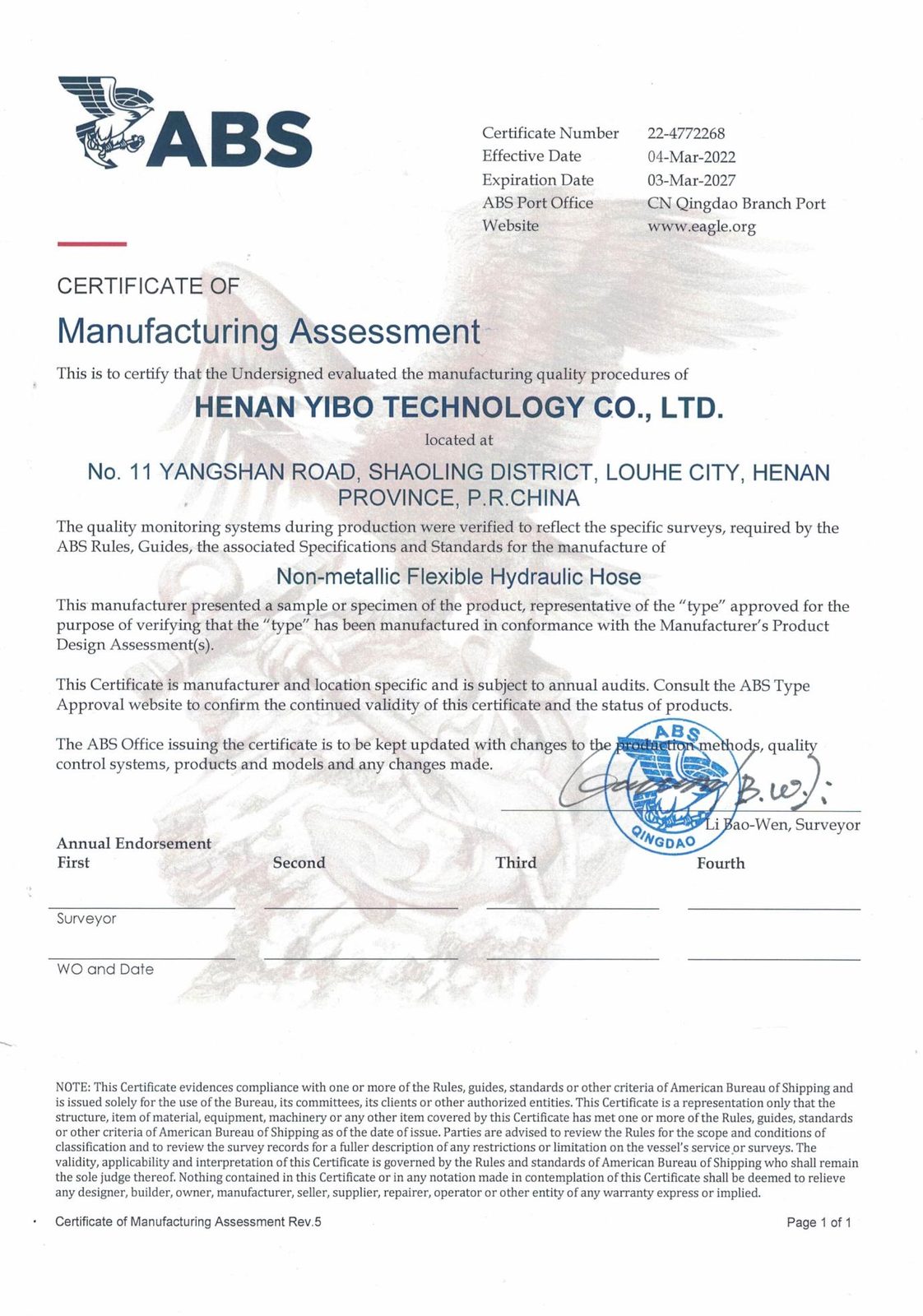
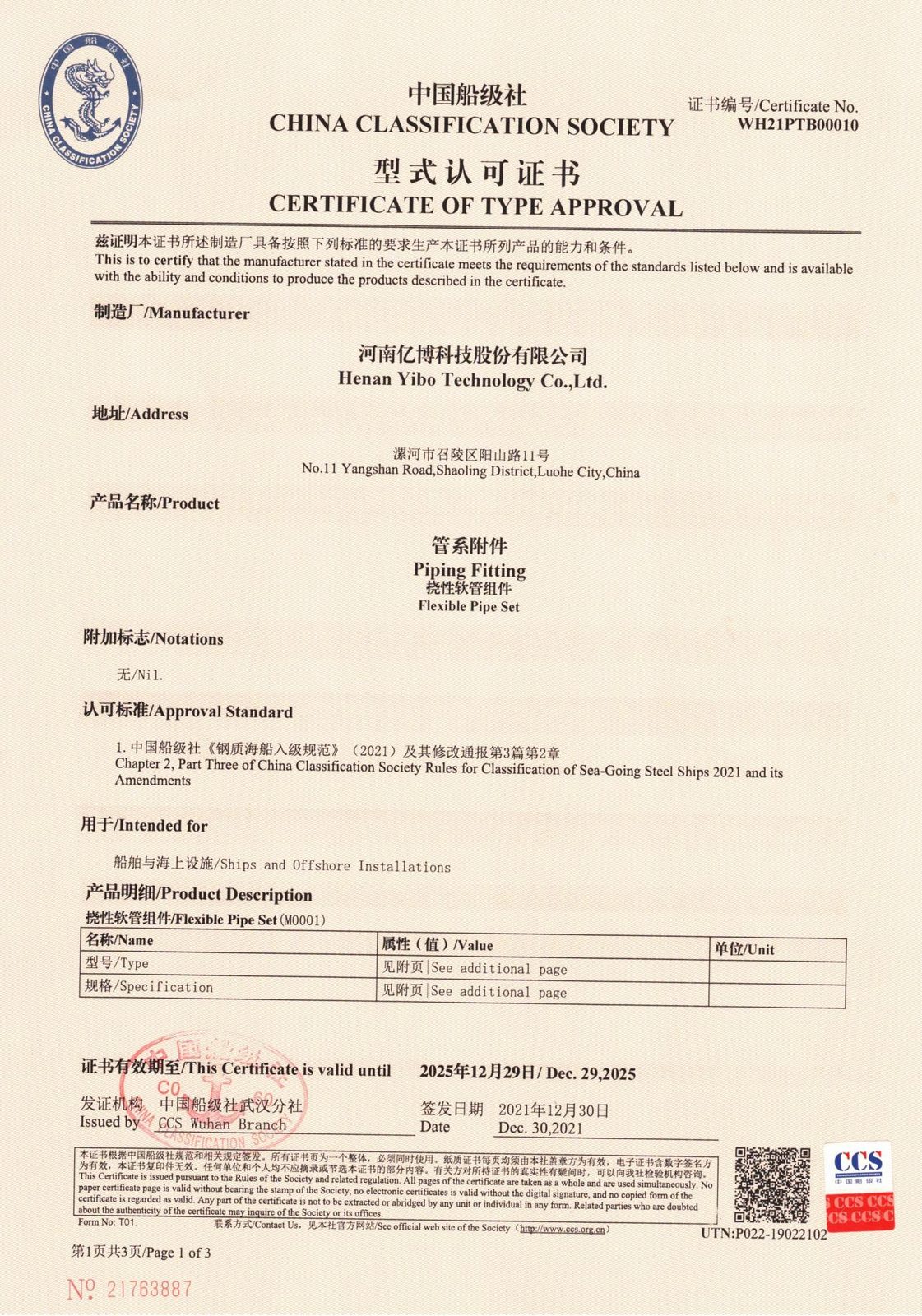
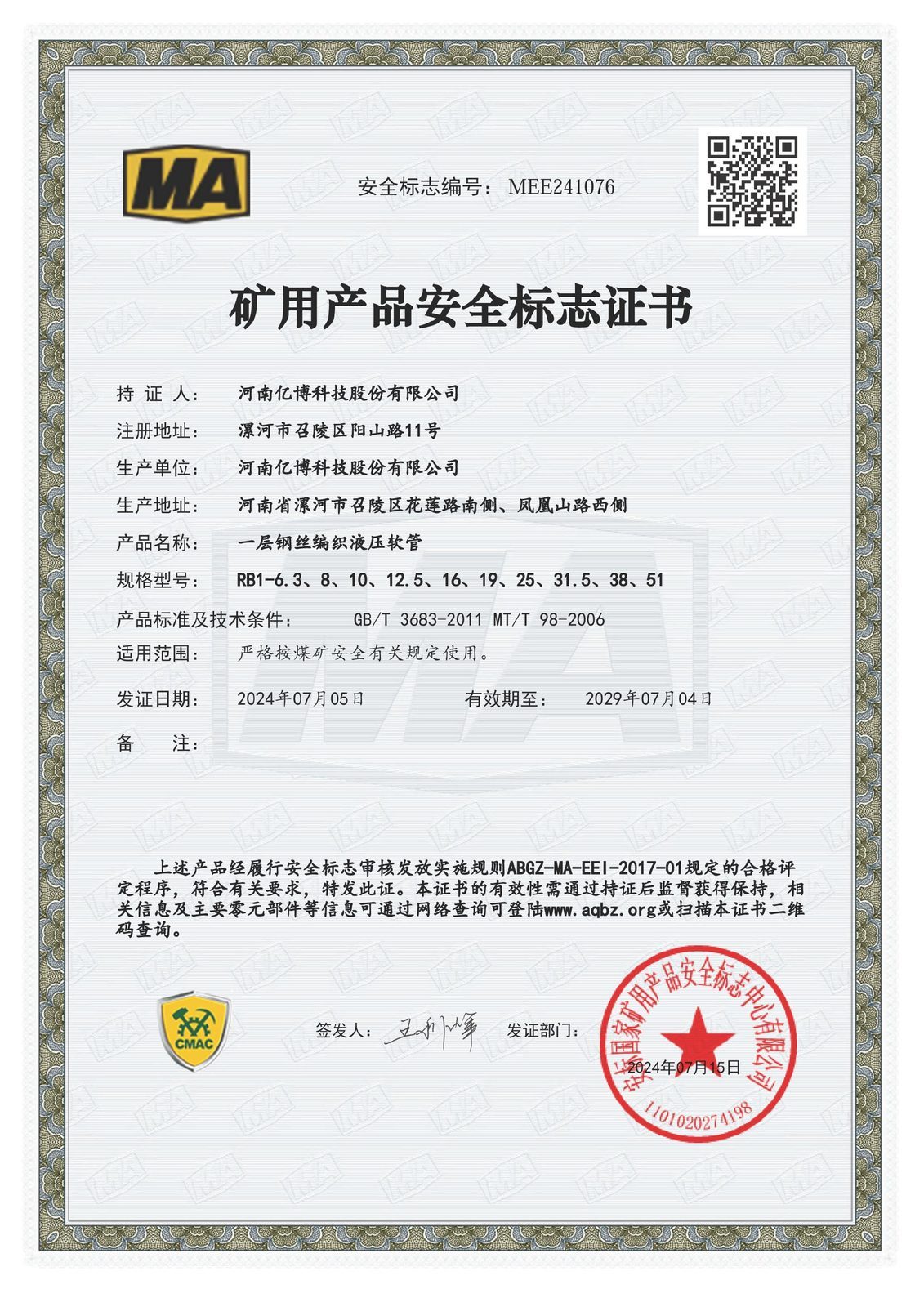
↓Certifications & factory photos
- Published Range
- Nominal bore:19–38 mm
- Max working pressure:10 bar
- Min burst pressure:30 bar
- Mass per metre:0.63–1.21 kg/m.
- Size range:4 codes in the table, from ASCHD019-150 upward
- Hose Features
- Duty-Cycle Matched:The construction is chosen against how hard the machine actually works, not against a catalogue default.
- Failure Mode First:We start from what normally fails on this equipment, then specify the hose that resists it.
- Tested Under Pressure:Working and burst pressure are verified in our own laboratory before shipment.
- Application:Chemical transfer is a tube-compatibility problem before it is a pressure problem.
- 10 bar / 30 bar:working and burst pressure published
24 Hours Service Hotline
+86 137 2136 0724


For distributors, OEMs & MRO buyers · 30+ countries · MOQ 100 m · free samples


In stock — ready to ship sooner than custom runs. Ask which sizes →
PRODUCT INTRODUCTION
Chemical Plant Transfer Hose — One Pressure Class, Four Bores
In a chemical plant the hose is chosen by what is inside it long before pressure is discussed. A line that is chemically wrong fails in weeks regardless of its rating; a line that is right runs for years at 10 bar.
Our ASCHD range carries four bores from 19 to 38 mm, and every one is rated 10 bar working with 30 bar minimum burst, a 3:1 margin. That flat rating is deliberate: a plant can hold one pressure class in the store and pick the bore by flow instead of by pressure.
Outside diameter runs 31.2 to 51.6 mm and mass 0.63 to 1.21 kg/m. Single lengths go to 40 m, which is long enough to cross a bay without a coupling in the middle, and that matters more than it sounds when the medium is aggressive.
Data Display
Chemical transfer is a tube-compatibility problem before it is a pressure problem.
| ITEM CODE | I.D (mm) | I.D (inch) | O.D mm | W.P (bar) | psi | W.P (psi) | B.P (bar) | psi | B.P (psi) | WEIGHT kg/m | MAX LENGTH m |
|---|---|---|---|---|---|---|---|---|---|---|---|
| ASCHD019-150 | 19 | 3/4" | 31.2 | 10 | 145 | 150 | 30 | 435 | 450 | 0.63 | 40 |
| ASCHD025-150 | 25 | 1" | 37.2 | 10 | 145 | 150 | 30 | 435 | 450 | 0.78 | 40 |
| ASCHD032-150 | 32 | 1-1/4" | 44.6 | 10 | 145 | 150 | 30 | 435 | 450 | 0.96 | 40 |
| ASCHD038-150 | 38 | 1-1/2" | 51.6 | 10 | 145 | 150 | 30 | 435 | 450 | 1.21 | 40 |
Values are reproduced from the official YIBO product page. psi columns = MPa × 145.038, rounded. 10 bar working and 30 bar minimum burst is the ceiling of this range; the order data sheet governs the batch.
Application & Selection
Chemical transfer is a tube-compatibility problem before it is a pressure problem. Hose for Chemical Plant Transfer covers 19–38 mm across 4 published codes.
Working and burst rating of Hose for Chemical Plant Transfer peak at 10 / 30 bar, a 3:1 margin. Mass runs 0.63–1.21 kg/m across the 4 codes. Metric / BSP / JIC / ORFS ends are crimped and pressure-tested in-house across the 19–38 mm bore. MOQ on Hose for Chemical Plant Transfer is 100 m on standard items.
WHY THIS HOSE
Why a Flat Rating Suits a Plant
Chemical transfer is rarely a pressure problem. It becomes one only when the tube has already been attacked.
Same Rating, Four Bores
19 mm and 38 mm are both 10 bar working and 30 bar burst. The bore is a flow decision, not a pressure decision.
3:1, Not 4:1
This is a transfer hose at 10 bar, not a hydraulic line. A 3:1 margin on 30 bar is the published figure and the copy does not claim more.
40 m Without a Joint
Every code goes to 40 m. Fewer couplings means fewer leak paths, which is the main risk on an aggressive medium.
Mass 0.63 to 1.21 kg/m
A 40 m coil runs 25 to 48 kg. That is light enough for two people to move and to hang on a cable tray.
Tube Decides the Life
The rating does not change with the medium; the compound does. State the chemical and its concentration and the tube is matched to it.
Outside Diameter to Plan
31.2 mm at 3/4 inch up to 51.6 mm at 1-1/2 inch. That is what a tray, a gland or a hose bend radius has to clear.
CONSTRUCTION
Tube First, Then Reinforcement
Inner Tube
A compound selected against the medium, bored 19 mm to 38 mm. The chemical and its concentration are what decide this layer, so both are asked for before a quote is confirmed.
Reinforcement
Textile and wire reinforcement matched to a 10 bar working pressure. It carries the pressure; it does not protect the tube from the medium.
Cover
An outer cover for plant conditions, taking outside diameter to 31.2 to 51.6 mm. It resists abrasion and splash rather than immersion.
APPLICATIONS
Where This Range Sits in a Plant
Tank to Tank Transfer
19 and 25 mm lines at 10 bar, the working pressure of a transfer pump discharge.
Drum and IBC Decanting
Short 3/4 inch runs where a 31.2 mm outside diameter turns inside a bund.
Reactor Charging
1-1/4 inch lines at 10 bar, sized for flow rather than pressure, on a 44.6 mm outside diameter.
Effluent and Neutralised Streams
1-1/2 inch at 10 bar and 51.6 mm outside diameter, where a 40 m run avoids a buried joint.
Loading Bays
Dock transfer lines that are dragged, so the cover takes the wear rather than the tube.
Dosing and Recirculation
Small bore loops where the pump head is well under 10 bar and the medium is the only real variable.
HIGH-END INDUSTRY DIRECTIONS
What Chemical Plants Ask Before Ordering
Almost every enquiry starts with a medium and a concentration, not with a pressure. That order is correct.
① Medium Before Rating chemical hose
Trend: Buyers send the SDS before they send the duty point.
Dohose: Tube compound is quoted against the medium; the 10 bar rating stays the same.
② Fewer Joints long length hose
Trend: Plants want longer single lengths to cut leak paths.
Dohose: Every code is supplied to 40 m.
③ One Store Class standard hose
Trend: Stores want one pressure class across four bore sizes.
Dohose: 19 to 38 mm are all 10 bar working, 30 bar burst.
④ Bund and Tray Planning hose routing
Trend: Outside diameter is requested at design stage.
Dohose: OD published from 31.2 mm to 51.6 mm per code.
⑤ Traceability traceable hose
Trend: Batch records are audited on aggressive media.
Dohose: Batch and test date are marked on each length.
⑥ Lightweight Handling lightweight hose
Trend: Operators move coils by hand at the bay.
Dohose: 0.63 kg/m at 3/4 inch against 1.21 kg/m at 1-1/2 inch.
WHY DOHOSE
Seven Reasons Buyers Stay with Us
Tolerances on the Sheet
Bore, wall and bend radius for the Hose for Chemical Plant Transfer are printed per code — 4 codes, 19–38 mm, no guessing between shipments.
Mixed Orders Welcome
Order several codes of the Hose for Chemical Plant Transfer at once; 4 sizes in 19–38 mm are built on the same equipment.
No Dead Stock
Order metres, not coils: Hose for Chemical Plant Transfer is cut to length, and mass runs 0.63–1.21 kg/m.
Crimped and Tested
Where a finished line is needed, Hose for Chemical Plant Transfer is crimped and pressure-tested in-house before packing.
Freight-Ready
Coils of Hose for Chemical Plant Transfer are bagged and palletised, with a 40HQ plan supplied before booking.
Your Name on It
The Hose for Chemical Plant Transfer can be printed and packed under your brand for resale.
Quote in One Hour
Send bore, media and end type for Hose for Chemical Plant Transfer — a firm price comes back within 1 hour.
FAQ
Chemical Plant Hose — Ten Questions
What pressure is this hose rated to, and does the bore change it?
Every code is 10 bar working with 30 bar minimum burst, a 3:1 margin, from the 19 mm code to the 38 mm code. Bore does not change the rating on this range, so the bore can be chosen for flow and the pressure class stays the same across the plant.
What is the difference between this and a 4:1 hydraulic hose?
The duty and the margin. This is a transfer hose at 10 bar with a 30 bar burst, a 3:1 ratio, while hydraulic hose runs 4:1 because it sees pressure spikes. A plant transfer line is set by pump discharge, so 10 bar against 30 bar is the published figure here.
Can this hose replace a rubber line in an existing tray?
Usually yes, but check the outside diameter first. The range runs 31.2 mm at 3/4 inch to 51.6 mm at 1-1/2 inch, so a tray sized for one bore may not take the next size up even though the pressure rating is identical.
What inside diameters are available?
Four codes: 19, 25, 32 and 38 mm inside diameter, which is 3/4, 1, 1-1/4 and 1-1/2 inch. Outside diameter runs 31.2, 37.2, 44.6 and 51.6 mm in the same order, and mass runs 0.63 to 1.21 kg/m.
Why is the safety margin only 3:1 on this range?
Because the duty is a transfer line at a pump discharge, not a hydraulic circuit with spikes. The table publishes 10 bar working against 30 bar burst, and the copy quotes that ratio rather than implying a 4:1 margin the product does not have.
Why does a longer length matter for chemical duty?
Because each coupling is a potential leak path on an aggressive medium. All four codes are supplied to 40 metres in one piece, so a bay crossing can be made without a joint and the couplings are moved to the ends, where they can be inspected and re-made without draining the line.
Which bore for a tank-to-tank transfer at 200 litres per minute?
Work from velocity rather than pressure, since all four bores are 10 bar. A 38 mm bore at that flow runs far slower than a 19 mm bore, and the larger size is available at the same rating with a 51.6 mm outside diameter.
Which bore for a dosing line with a small pump?
The 19 mm code, at 10 bar and 0.63 kg/m with a 31.2 mm outside diameter. A dosing pump head is well below the rating, so the small bore is chosen for the pump connection and for the tight routing it allows.
What is the minimum order and the longest single length?
100 m per size as a rule, cut to length, with a maximum single length of 40 metres on every code, from the 19 mm bore to the 38 mm bore. Production runs about 20 days from confirmation, and OEM marking and packing are available for distributor stock.
What does it cost per metre?
Price follows the bore: 0.63 kg/m at 3/4 inch through 0.78 and 0.96 to 1.21 kg/m at 1-1/2 inch. Give the medium, the concentration, the bore, the length and the destination, and a firm figure comes back the same working day.
Related Products
AIR / Water Delivery HOSE
Inner Tube: NR + SBR (Natural Rubber + Styrene Butadiene Rubber) / Reinforcement: High-strengt…
Aircraft Refueling HOSE
Structure: special fuel-resistant rubber inner liner, resistant to swelling and permeation of…
Animal Feed/grain HOSE
Inner rubber layer: wear-resistant natural rubber (brown). reinforcement layer: high-strength…
Conductive Chemical Suction and Discharge HOSE
The inner wall adopts uhmwpe+epdm material, featuring high temperature resistance, oxidation r…
Get a quote
Please fill out the form below and we will contact you within 1 hour.
We are online 24/7!
We will contact you within 1 hour of receiving your enquiry.
Hotline