
WEAR RESISTANT FULL RUBBER HOSE
HIGH WEAR RESISTANT · CHEMICAL RESISTANT · FOOD GRADE
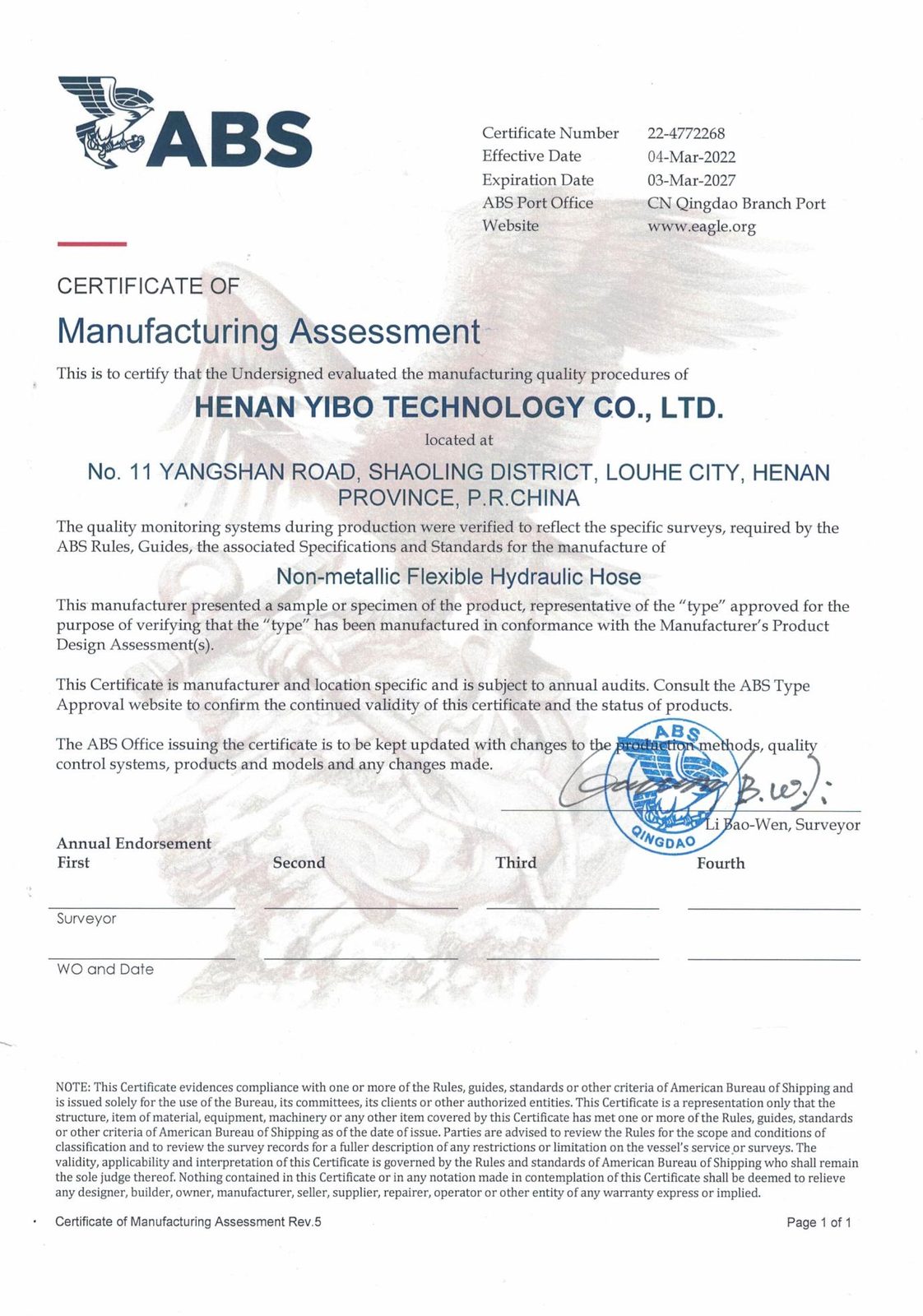
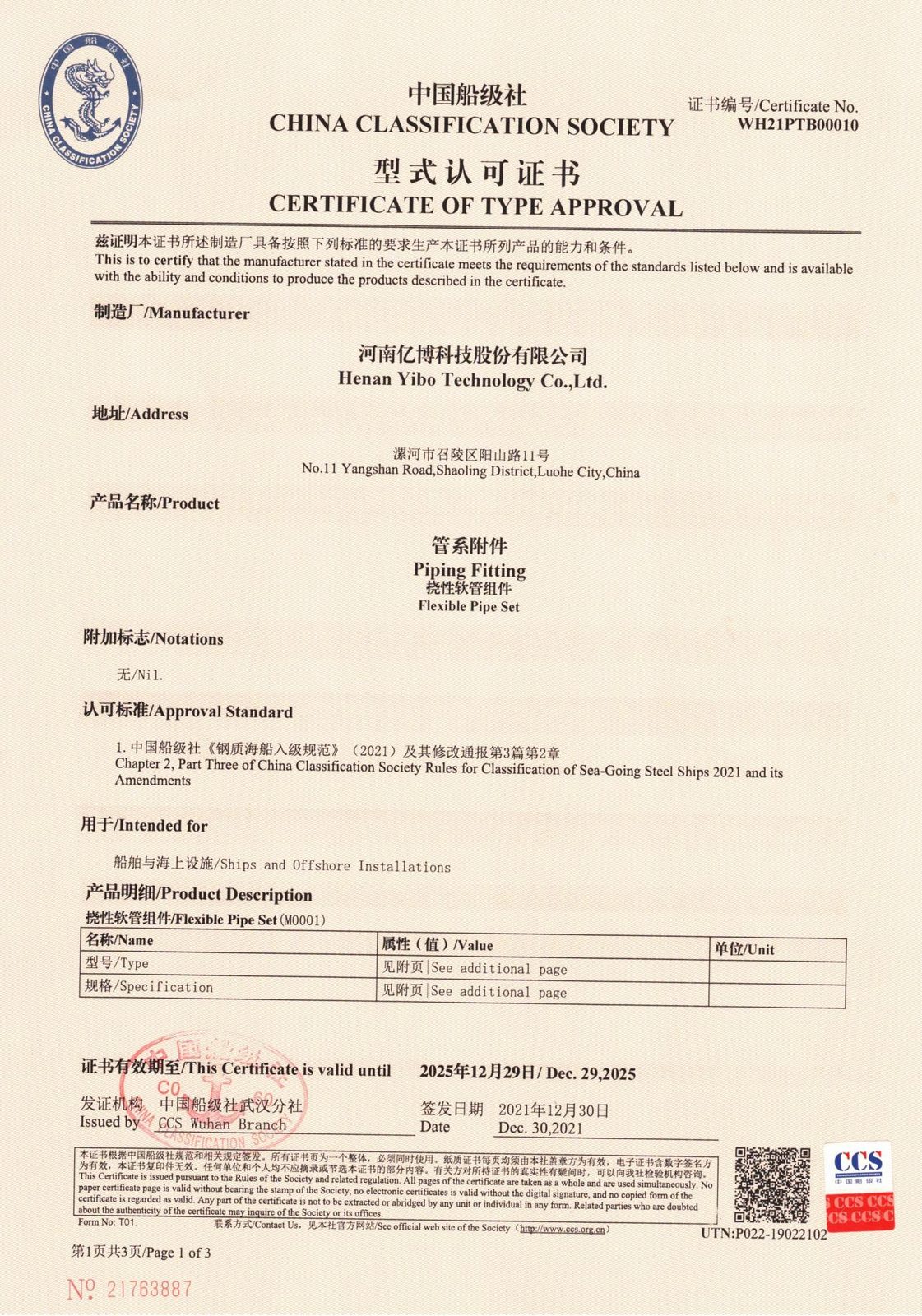
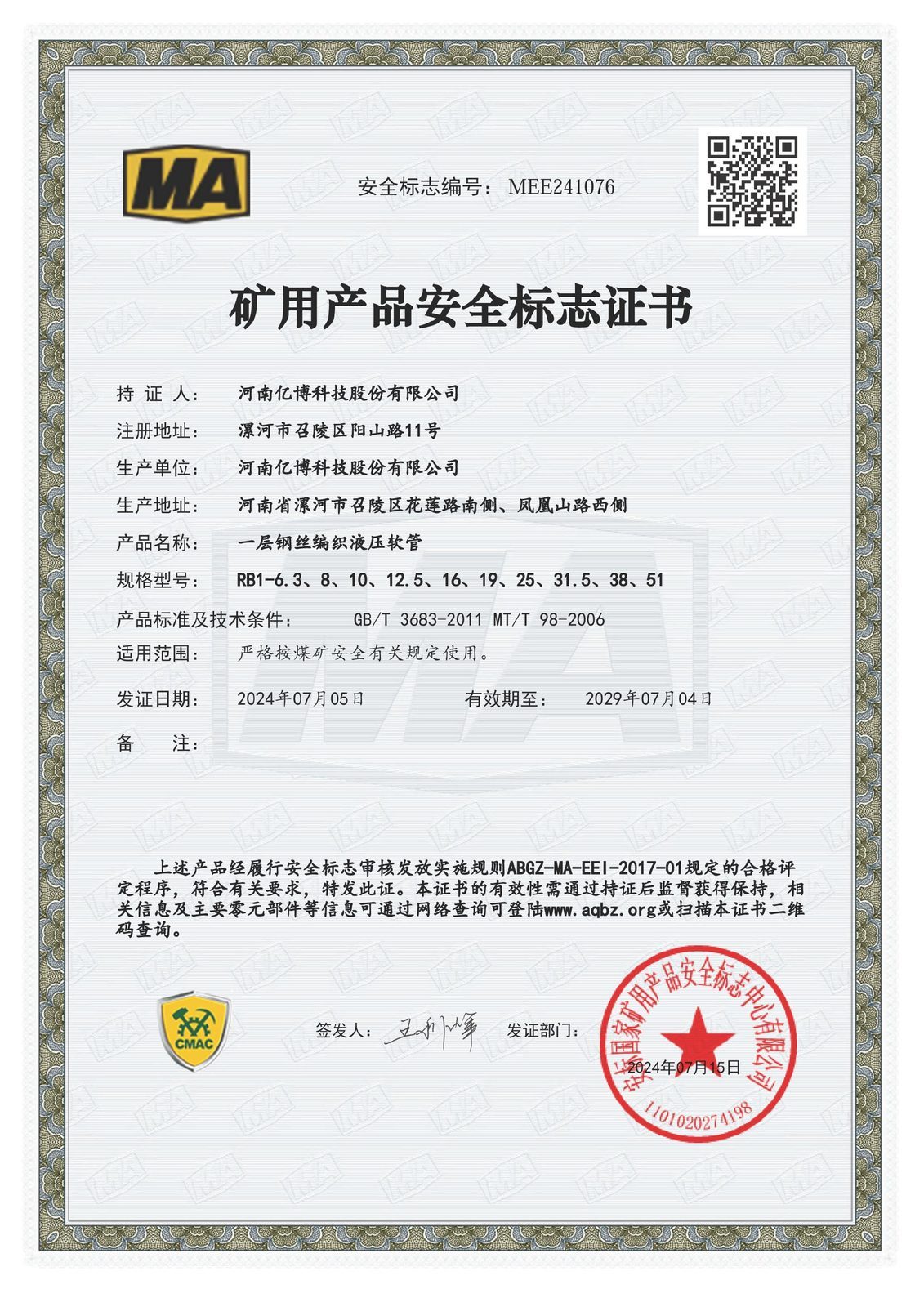
↓Certifications & factory photos
- Hose Construction
- Structure: integral extruded molding, no braided or steel wire reinforcement skeleton. the inner and outer layers are made of the same rubber material with homogeneous wall, soft texture and excellent bending performance.
- Working Temperature:-20℃ ~ +80℃
- Hose Features
- Application: used for low-pressure fluid transport and vacuum suction, pipeline support for small equipment.
- Size Coverage:11 codes from 102 mm to 600 mm bore, in one wall thickness class.
- Supply Length:Standard supply length 5 m.
- Wall Thickness:4–6 mm wall thickness over the range, published per code.
24 Hours Service Hotline
+86 137 2136 0724


For distributors, OEMs & MRO buyers · 30+ countries · MOQ 100 m · free samples


In stock — ready to ship sooner than custom runs. Ask which sizes →
PRODUCT INTRODUCTION
Full Rubber Wear Hose — 102 to 600 mm, No Skeleton
This hose has no reinforcement: it is integrally extruded in one piece, with the inner and outer layers made of the same rubber and a homogeneous wall, published in eleven bores from 102 mm to 600 mm with a 4 to 6 mm wall and a maximum length of 5 m.
That is the whole specification, and it is deliberate. With no braid and no steel wire inside, the wall thickness is the only thing standing between the medium and the outside, so the table publishes the wall instead of a pressure rating — there is no pressure column in it at all.
What the build buys is a soft, fully flexible body that bends without a kink and can be cut and clamped on site. It is used for low-pressure fluid transfer and short vacuum suction, and for pipeline support on small equipment, where a skeleton would make the part stiffer than the installation wants.
The eleven codes step in a regular series rather than an inch series: 102, 127, 152 and 203 mm, then 254, 304, 355, 406, 457, 508 and 600 mm. Every one of them is cut from the same extruded wall, so a 600 mm length and a 102 mm length are the same part at two diameters, and neither is a moulded fitting.
Data Display
| ITEM CODE | I.D mm | WALL THICKNESS WT (mm) | MAX LENGTH m |
|---|---|---|---|
| NRF102 | 102 | 4 ~ 6 | 5 |
| NRF127 | 127 | 4 ~ 6 | 5 |
| NRF152 | 152 | 4 ~ 6 | 5 |
| NRF203 | 203 | 4 ~ 6 | 5 |
| NRF254 | 254 | 4 ~ 6 | 5 |
| NRF304 | 304 | 4 ~ 6 | 5 |
| NRF355 | 355 | 4 ~ 6 | 5 |
| NRF406 | 406 | 4 ~ 6 | 5 |
| NRF457 | 457 | 4 ~ 6 | 5 |
| NRF508 | 508 | 4 ~ 6 | 5 |
| NRF600 | 600 | 4 ~ 6 | 5 |
Values are reproduced from the official YIBO product page. 11 codes in this table; the order data sheet governs the batch.
Application & Selection
Application: used for low-pressure fluid transport and vacuum suction, pipeline support for small equipment. it can transport water, air, weak acid and weak alkali, some light media. WEAR RESISTANT FULL RUBBER HOSE covers 102–600 mm across 11 published codes. WEAR RESISTANT FULL RUBBER HOSE runs from -20°C~+80°C.
We crimp and test every build in-house, 11 codes in all. Allow about 20 days from confirmation for WEAR RESISTANT FULL RUBBER HOSE; OEM marking and packing on request.
WHY THIS HOSE
Six Reasons There Is No Skeleton in It
A hose without a braid is not an unfinished hose. These six points are what the missing layer buys.
Wall Is the Spec
With no reinforcement to quote, the table publishes a 4 to 6 mm homogeneous wall as the defining figure, and the bore as the only other dimension that changes across the eleven codes.
Same Rubber In and Out
Inner and outer layers are the same material, so there is no bond line between compounds to fail and no cover to peel away from a carcass.
Bends Without Kinking
The published reason for the build is soft texture and excellent bending performance: a 600 mm bore with a 4 to 6 mm wall can be worked into a tight layout where a wire hose would fight back.
Eleven Bores to 600 mm
102, 127, 152, 203, 254, 304, 355, 406, 457, 508 and 600 mm — the largest range on any page in this group, all in one wall class.
Five Metres Maximum
The maximum length is 5 m, which keeps the part a flexible connector rather than a run of pipe, and matches how it is cut and clamped on site.
Low Pressure by Design
Without a braid there is nothing to take hoop load, so the duty is low-pressure transfer and short suction. That is a limit of the design, stated plainly rather than dressed up as a rating.
CONSTRUCTION
One Material, Two Surfaces
Inner Surface
The same wear-resistant rubber as the outside, in bores from 102 mm to 600 mm, giving a smooth bore with no liner bond to separate.
Wall
A homogeneous 4 to 6 mm wall, integrally extruded with no braided or steel wire skeleton — this is the layer that is the specification.
Outer Surface
The same compound again, so abrasion is met by the same material on both faces and the part can be reversed in service if one side wears.
APPLICATIONS
Where a Skeletonless Hose Fits
Low-Pressure Transfer
The 152 mm code at a 4 to 6 mm wall, moving slurry or process water on a short connection.
Short Vacuum Suction
The 203 mm code, where the suction lift is short enough that the wall alone holds the bore.
Abrasive Slurry
The 102 mm code, the smallest bore, on a line that is replaced rather than repaired.
Small Equipment Support
The 127 mm code, published for pipeline support on small equipment rather than for a long run.
Tank and Pit Connections
The 304 mm code on a 5 m maximum length, clamped at both ends.
Wide Bore Discharge
The 600 mm code, the largest in the table, where 5 m is the whole length of the part.
HIGH-END INDUSTRY DIRECTIONS
What Buyers Ask About a Full Rubber Hose
The questions are about wall, length and whether a skeletonless body will hold the duty — not about pressure.
① Wall Instead of Rating wear resistant hose
Trend: Buyers ask for a pressure class out of habit.
Dohose: 4 to 6 mm wall published, no pressure column.
② Bond Failures full rubber hose
Trend: Lined hoses fail at the bond line.
Dohose: One compound inside and out, no bond.
③ Wide Bores large bore hose
Trend: 600 mm connections on slurry pits.
Dohose: Eleven codes from 102 to 600 mm.
④ Cutting on Site cut to length hose
Trend: Fitters cut and clamp rather than order a moulded part.
Dohose: Homogeneous wall, cut anywhere up to 5 m.
⑤ Tight Layouts flexible hose
Trend: Retrofits leave no room for a stiff body.
Dohose: Soft texture, no braid, bends without a kink.
⑥ Reversible Service abrasion hose
Trend: The wear face is inspected and turned.
Dohose: Same compound on both surfaces.
WHY DOHOSE
Seven Reasons Buyers Stay with Us
Published Per Code
The Wear Resistant Full Rubber Hose is published code by code — 11 rows, 102–600 mm, each with its own pressure and mass.
One Factory, Whole Range
From the smallest to the largest bore in 102–600 mm, the Wear Resistant Full Rubber Hose is made in one plant — no second source.
Cut to the Metre
Take the length the job needs — Wear Resistant Full Rubber Hose is cut from the coil, with published per code published so handling can be planned.
Tested Before Boxing
Every assembly built from Wear Resistant Full Rubber Hose passes a hydrostatic test before it leaves the plant.
Packed for the Container
Pallet layouts for Wear Resistant Full Rubber Hose are planned against the container, so freight per metre stays predictable.
Private Label
Printing, labels and packing for Wear Resistant Full Rubber Hose can carry a distributor brand.
Same-Hour Reply
Bore, quantity and ends are enough to price Wear Resistant Full Rubber Hose; the reply goes out within 1 hour.
FAQ
Full Rubber Wear Hose — Ten Questions
Full rubber hose vs a braided or wire hose — what changes?
There is no reinforcement in this one. A braided hose quotes a pressure class because the braid takes hoop load; this part publishes a 4 to 6 mm homogeneous wall and a 5 m maximum length instead, for low-pressure transfer and short suction.
Can it replace a wire-reinforced suction hose?
Only on a short lift. Without a skeleton the wall is what resists collapse, so a 203 mm bore is fine over a short suction but will flatten on a long one — where a wire hose earns its price.
What is the largest bore?
600 mm, the eleventh code in the table, in the same 4 to 6 mm wall and up to a 5 m length. It is a clamped connector, not a run of pipe.
How do I choose between a 4 and a 6 mm wall?
By wear, not by pressure. The wall is published as a 4 to 6 mm band across the whole range from 102 mm to 600 mm, so a heavier duty gets the thicker wall and a light transfer gets the thinner one.
Will it handle slurry and grit?
That is what a wear-resistant full rubber body is for: the same compound on the inside and the outside, so the abrasive meets rubber rather than a thin liner. The 102 mm and 152 mm codes are the sizes most often used on a slurry pit connection.
Can it be used for vacuum suction?
For short lifts, yes — it is published for short vacuum suction and low-pressure transfer. The 203 mm code is the size most often used that way; beyond a short lift the 4 to 6 mm wall alone cannot hold the bore, and the answer is a skeleton hose rather than a thicker wall.
Why is there no steel wire or braid in it?
Because the part is meant to be soft and fully flexible: the published build is integrally extruded with the inner and outer layers in the same material, giving a homogeneous wall and excellent bending performance at bores up to 600 mm.
Why does a skeletonless hose split at a bend?
Because it is being bent tighter than the wall can follow, or it is under a vacuum it was never built for. With no braid there is nothing to spread the load, so a crease in the 4 to 6 mm wall becomes a crack — support the bend and keep the duty inside low-pressure transfer.
What is the minimum order?
One length, cut anywhere up to the 5 m maximum, in any of the eleven bores from 102 mm to 600 mm. There is no moulded end on the part, so it is cut and clamped on site, and a 600 mm bore is supplied on the same terms as the 102 mm one rather than as a special.
How is the hose priced?
Per metre by bore and by wall: a 102 mm length and a 600 mm length at the same 4 to 6 mm band are very different articles. Send bore, wall, total length and destination for a firm figure.
Related Products
AIR / Water Delivery HOSE
Inner Tube: NR + SBR (Natural Rubber + Styrene Butadiene Rubber) / Reinforcement: High-strengt…
Aircraft Refueling HOSE
Structure: special fuel-resistant rubber inner liner, resistant to swelling and permeation of…
Animal Feed/grain HOSE
Inner rubber layer: wear-resistant natural rubber (brown). reinforcement layer: high-strength…
Conductive Chemical Suction and Discharge HOSE
The inner wall adopts uhmwpe+epdm material, featuring high temperature resistance, oxidation r…
Get a quote
Please fill out the form below and we will contact you within 1 hour.
We are online 24/7!
We will contact you within 1 hour of receiving your enquiry.
Hotline