
SUCTION DREDGING RUBBER HOSE
HIGH WEAR RESISTANT · SUCTION / VACUUM RATED · UV / OZONE RESISTANT
↓Certifications & factory photos
- Hose Construction
- Structure: high abrasion-resistant synthetic natural rubber inner liner, resistant to erosion by sand, mud and broken stones, smooth inner wall and not easy to block. multi-layer high-strength tire cord fabric and spiral steel wire composite reinforcement, negative pressure resistant, collapse resistant and resistant to alternating deformation. special rubber cover, seawater corrosion resistant, uv and weather resistant, wear and tear resistant, suitable for harsh outdoor conditions of rivers and oceans
- Working Temperature:-20℃ ~ +80℃
- Hose Features
- Application: used for river desilting, port waterway dredging, land reclamation, reservoir and fish pond cleaning, municipal sand and mud pumping.
- Size Coverage:14 codes from 200 mm to 1100 mm bore, which is 8 to 44 inch.
- Pressure Rating:10–20 bar working, quoted per code in the table.
- Supply Length:Supplied in 11.8 m lengths, as published per code in the table.
24 Hours Service Hotline
+86 137 2136 0724


For distributors, OEMs & MRO buyers · 30+ countries · MOQ 100 m · free samples
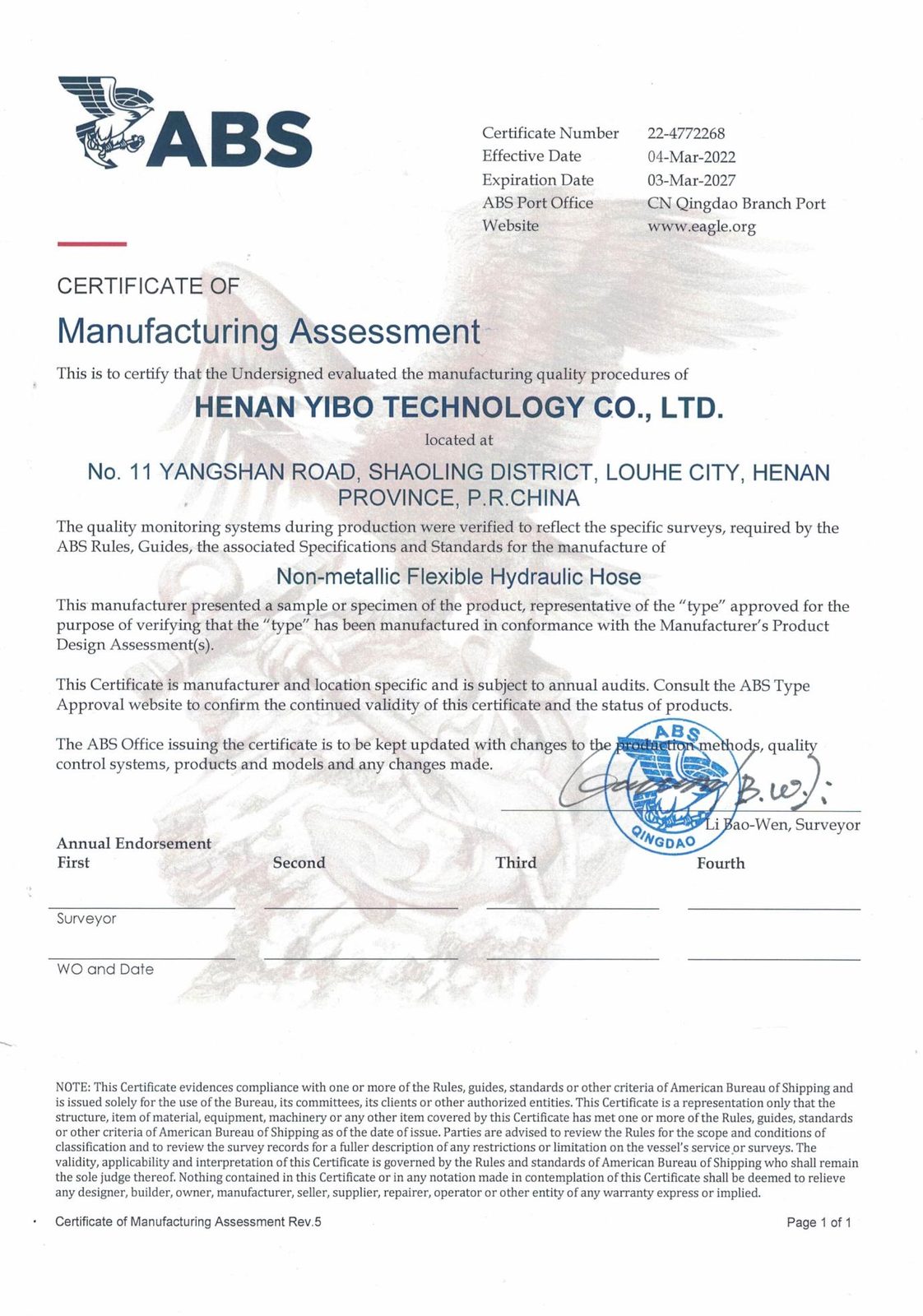
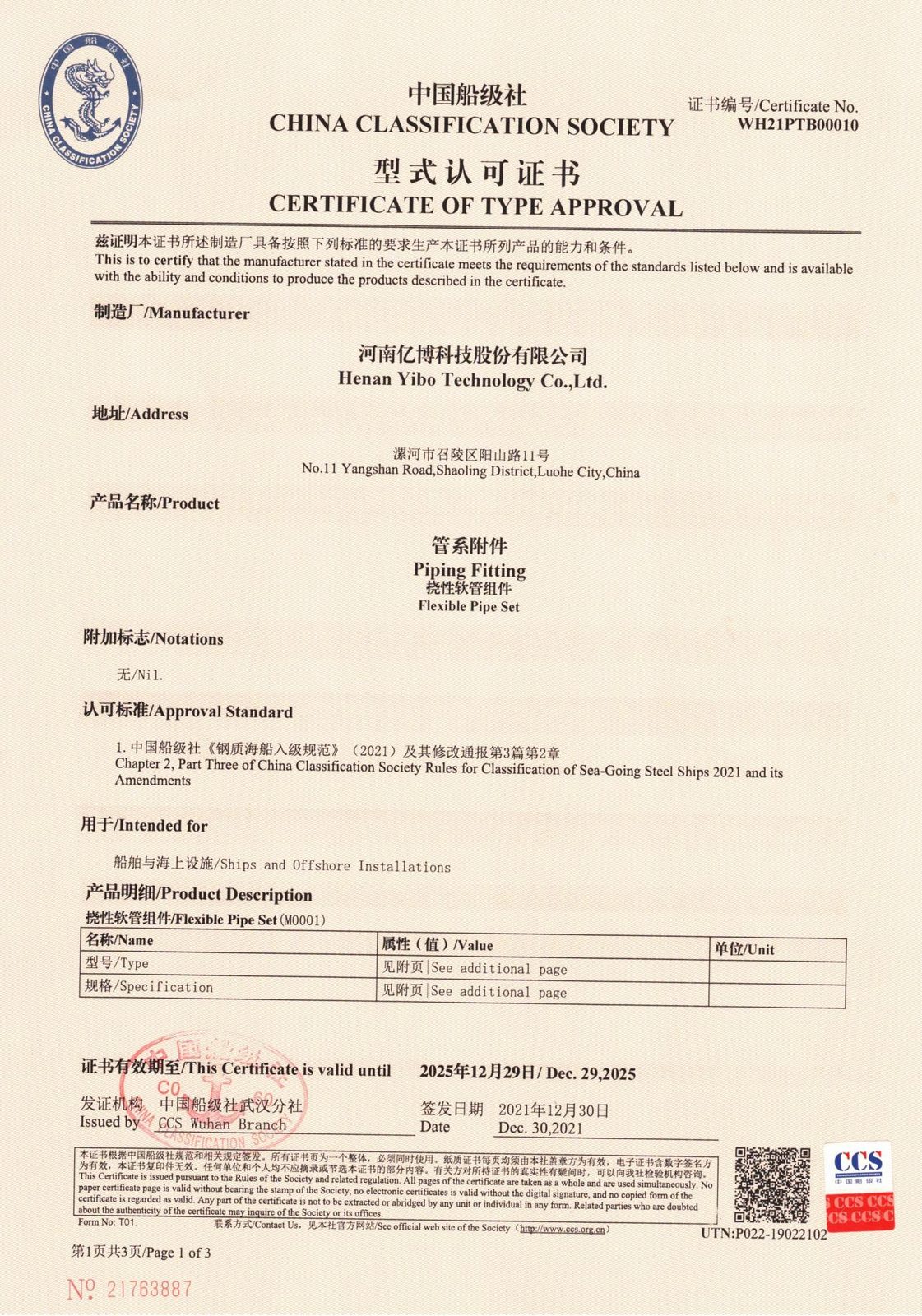
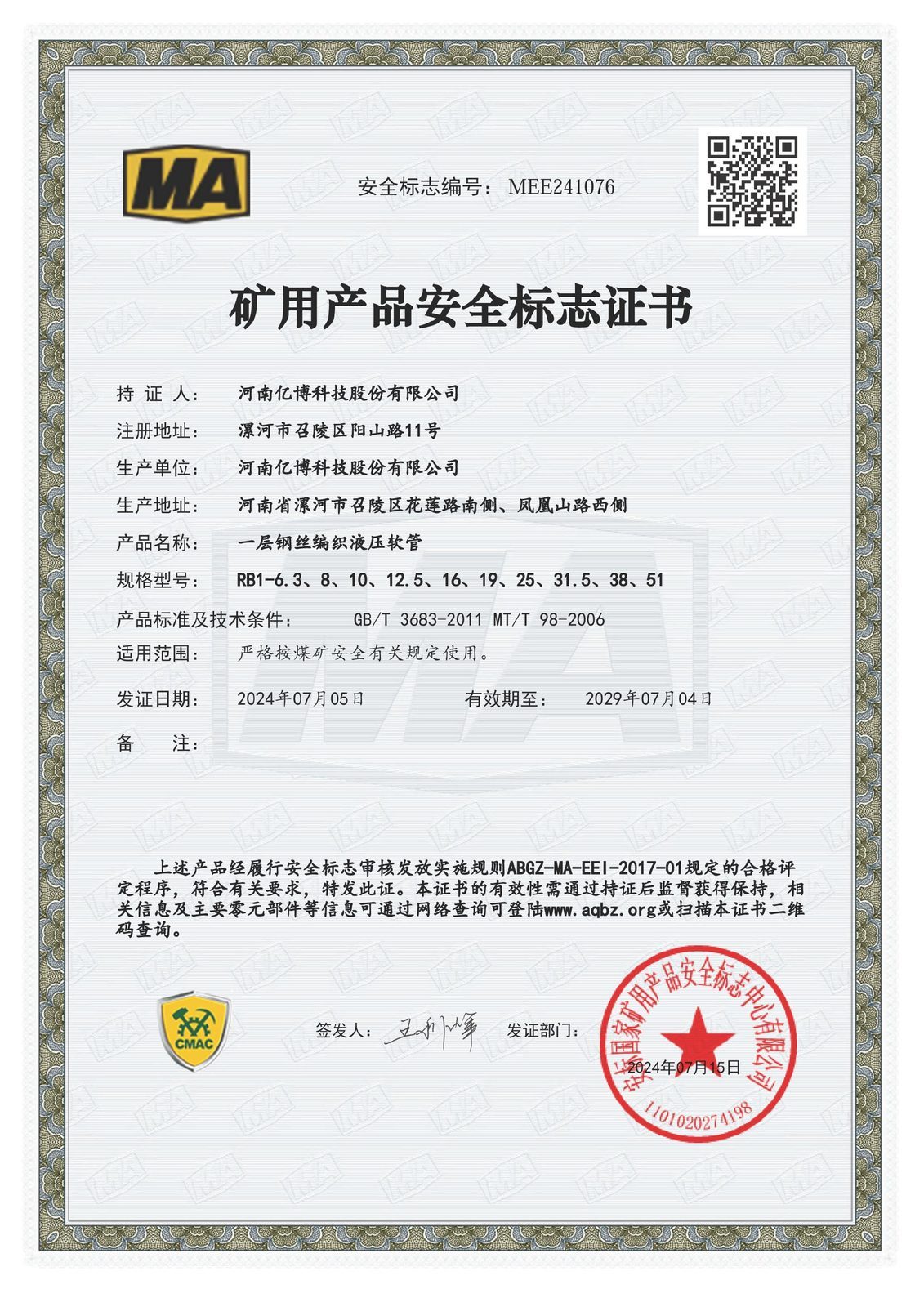


In stock — ready to ship sooner than custom runs. Ask which sizes →
PRODUCT INTRODUCTION
Suction Dredging Hose — 14 Bores Built Against Collapse
This is the suction leg of a dredging spread: the hose between the intake and the pump, published in fourteen bores from 200 mm to 1100 mm — 8 inch to 44 inch — at 10 to 20 bar rated, in 11.8 m sections.
What makes it a different hose from the discharge leg is what happens inside it. The pump is downstream here, so the line runs under negative pressure: the atmosphere is pushing in and the mixture is not pushing back. The published construction answers that with multi-layer high-strength tire cord plus spiral steel wire, described on this page as negative-pressure resistant, collapse resistant and resistant to alternating deformation.
The other half of the duty is the mixture itself — sand, mud and broken stone at the intake, where the solids are largest and the bore is under its worst load. A 200 mm bore has to pass the same stone a 1100 mm bore does, which is why the intake size is usually chosen one step above the discharge size rather than matched to it.
Data Display
| I.D | I.D | W.P bar | LENGTH m |
|---|---|---|---|
| mm | inch | ||
| 200 | 8" | 10-20 | 11.8 |
| 250 | 10" | 10-20 | 11.8 |
| 300 | 12" | 10-20 | 11.8 |
| 350 | 14" | 10-20 | 11.8 |
| 400 | 16" | 10-20 | 11.8 |
| 450 | 18" | 10-20 | 11.8 |
| 500 | 20" | 10-20 | 11.8 |
| 550 | 22" | 10-20 | 11.8 |
| 600 | 24" | 10-20 | 11.8 |
| 700 | 28" | 10-20 | 11.8 |
| 800 | 32" | 10-20 | 11.8 |
| 900 | 36" | 10-20 | 11.8 |
| 1000 | 40" | 10-20 | 11.8 |
| 1100 | 44" | 10-20 | 11.8 |
Values are reproduced from the official YIBO product page. SUCTION DREDGING RUBBER HOSE: 14 codes in this table; the order data sheet governs the batch.
Application & Selection
Application: used for river desilting, port waterway dredging, land reclamation, reservoir and fish pond cleaning, municipal sand and mud pumping. SUCTION DREDGING RUBBER HOSE is published in 14 codes, starting at the 8" bore. SUCTION DREDGING RUBBER HOSE runs from -20°C~+80°C.
SUCTION DREDGING RUBBER HOSE tops out at 20 bar working over its 14 codes. SUCTION DREDGING RUBBER HOSE: We crimp and test every build in-house, 14 codes in all. Allow about 20 days from confirmation for SUCTION DREDGING RUBBER HOSE; OEM marking and packing on request.
WHY THIS HOSE
Six Reasons a Suction Leg Is Specified Differently
Both legs of a dredging line carry the same mixture. Only one of them is trying not to be flattened.
Negative Pressure First
The pump pulls, so the bore is under external pressure for its whole length. The spiral wire in the wall is what keeps 1100 mm of bore from closing up, not the 10 to 20 bar rating.
Built for Alternating Load
A suction line breathes with every stroke of the pump, and the published construction includes resistance to alternating deformation — a fatigue property, not a pressure figure.
Bigger Than the Outlet
The intake passes the coarsest solids, so a line with an 1100 mm discharge leg is often built with the same bore at the intake but a heavier wall, and a smaller scheme runs 400 mm in against 350 mm out.
Fourteen Bores, 8 to 44 inch
From 200 mm to 1100 mm, so the intake is matched to the pump and to the largest stone in the bed rather than stepped down at a reducer.
Smooth Bore at the Intake
A smooth inner wall is published on this page for a reason: at the suction end a lodged stone is not a wear problem, it is a blocked line and a stopped spread.
Seawater Cover
The cover is published as seawater corrosion resistant with UV and weather resistance, which is what a line left on a barge between tides is asked to survive.
CONSTRUCTION
Rubber, Cord and Wire, Weather Cover
Inner Liner
A high abrasion-resistant synthetic natural rubber liner, published as resistant to erosion by sand, mud and broken stone, with a smooth wall that does not trap solids.
Reinforcement
Multi-layer high-strength tire cord fabric with a spiral steel wire composite, published as negative-pressure resistant, collapse resistant and resistant to alternating deformation.
Cover
A special rubber cover published as seawater corrosion resistant, UV and weather resistant, for a line that sits on a barge or a pontoon between shifts.
APPLICATIONS
Where the Suction Leg Works
Cutter Suction Intake
The 400 mm code at 10 to 20 bar, taking the mixture from the cutter head to the pump.
Hopper Suction
The 600 mm code on an 11.8 m section, in the drag arm of a trailing suction hopper.
River Desilting
The 300 mm code, the intake size on a small pontoon-mounted pump.
Land Reclamation
The 800 mm code, where the intake has to pass coarse fill material without blocking.
Reservoir and Fish Pond Cleaning
The 200 mm code, the smallest bore in the table, on a hand-moved line.
Municipal Sand and Mud Pumping
The 250 mm code at 10 bar, on a short suction run from a sump.
HIGH-END INDUSTRY DIRECTIONS
What a Suction Line Is Judged On
The questions are about collapse, blocking and stone size — pressure is the least of them on this leg.
① Deeper Pumping suction hose
Trend: Pumping depth grows and the vacuum with it.
Dohose: Spiral wire in the wall, bores to 1100 mm.
② Coarser Beds dredging hose
Trend: Gravel and stone are pumped, not just silt.
Dohose: Smooth bore, 200 to 1100 mm.
③ Blocked Lines rubber hose
Trend: A lodged stone stops a spread for a shift.
Dohose: Intake sized one step above the outlet.
④ Salt and Sun weather resistant hose
Trend: Lines stay on deck between tides.
Dohose: Seawater, UV and weather resistant cover.
⑤ The Wear Piece replacement section
Trend: The first section after the intake is the wear part.
Dohose: Any bore as a single 11.8 m piece.
⑥ Fatigue Life collapse resistant hose
Trend: Lines are counted in pumping hours.
Dohose: Built to resist alternating deformation.
WHY DOHOSE
Seven Reasons Buyers Stay with Us
Tolerances on the Sheet
Bore, wall and bend radius for the Suction Dredging Rubber Hose are printed per code — 14 codes, 200–1100 mm, no guessing between shipments.
Mixed Orders Welcome
Order several codes of the Suction Dredging Rubber Hose at once; 15 sizes in 200–1100 mm are built on the same equipment.
No Dead Stock
Order metres, not coils: Suction Dredging Rubber Hose is cut to length, and mass runs published per code.
Crimped and Tested
Where a finished line is needed, Suction Dredging Rubber Hose is crimped and pressure-tested in-house before packing.
Freight-Ready
Coils of Suction Dredging Rubber Hose are bagged and palletised, with a 40HQ plan supplied before booking.
Your Name on It
The Suction Dredging Rubber Hose can be printed and packed under your brand for resale.
Quote in One Hour
Send bore, media and end type for Suction Dredging Rubber Hose — a firm price comes back within 1 hour.
FAQ
Suction Dredging Hose — Ten Questions
Suction hose vs a discharge hose — what changes?
The pressure direction. This hose runs under vacuum at 10 to 20 bar rated, so the wall has to resist collapse from outside; the discharge leg carries the same 200 to 1100 mm bores under positive pressure and does not need to.
Can a discharge hose replace this one on the suction side?
No. It carries the same bore and the same 11.8 m section length, so it will bolt up, but without the spiral wire it flattens the first time the pump pulls hard. The two legs are not interchangeable even when the diameter matches.
What is the largest bore?
1100 mm, which is 44 inch, at 10 to 20 bar and 11.8 m per section — and it is the size where collapse resistance matters most, because the flat area of the bore is largest.
What is the smallest bore?
200 mm, which is 8 inch, the first of the fourteen codes. It is the intake size on a small pontoon pump and the one most often moved by hand.
Will it pass sand, mud and broken stone?
That is the published duty, from 200 mm to 1100 mm at 10 to 20 bar. The liner is described as resistant to erosion by sand, mud and broken stone, and the wall is smooth so that a stone passes rather than lodges.
What bore for a pump with a 1000 mm discharge?
The 1000 mm code is the matching bore, and a scheme that expects coarse material often goes to 1100 mm at the intake so the suction leg is never the narrowest point in the line.
Why is the intake size usually larger than the outlet?
Because the coarsest solids arrive at the intake and the bore is under vacuum there. A line running 400 mm out is often built with a heavier wall at the same bore in, and a large scheme pairs an 1100 mm intake with a smaller discharge, so the suction leg is never the narrowest part of the spread.
Why does a suction hose flatten?
Because the pump is pulling harder than the wall can resist — a blocked intake, a closed valve downstream, or a line bought as a discharge hose. The spiral wire in this construction is the answer, and the 10 to 20 bar figure does not describe that load at all.
How is a suction line packed and shipped?
By the section, at 11.8 m per piece, in any bore from 200 mm to 1100 mm. Sections are jointed on the barge, and a spare is normally held because the first piece after the intake wears first.
What is the minimum order?
One section of 11.8 m in any of the fourteen bores. Send the pump inlet size, the largest stone in the bed and the suction depth, and the bore and the 10 to 20 bar figure follow from those three.
Related Products
AIR / Water Delivery HOSE
Inner Tube: NR + SBR (Natural Rubber + Styrene Butadiene Rubber) / Reinforcement: High-strengt…
Aircraft Refueling HOSE
Structure: special fuel-resistant rubber inner liner, resistant to swelling and permeation of…
Animal Feed/grain HOSE
Inner rubber layer: wear-resistant natural rubber (brown). reinforcement layer: high-strength…
Conductive Chemical Suction and Discharge HOSE
The inner wall adopts uhmwpe+epdm material, featuring high temperature resistance, oxidation r…
Get a quote
Please fill out the form below and we will contact you within 1 hour.
We are online 24/7!
We will contact you within 1 hour of receiving your enquiry.
Hotline