
MUD DISCHARGE DREDGING RUBBER TUBE
HIGH WEAR RESISTANT · CHEMICAL RESISTANT · MARINE / SEAWATER
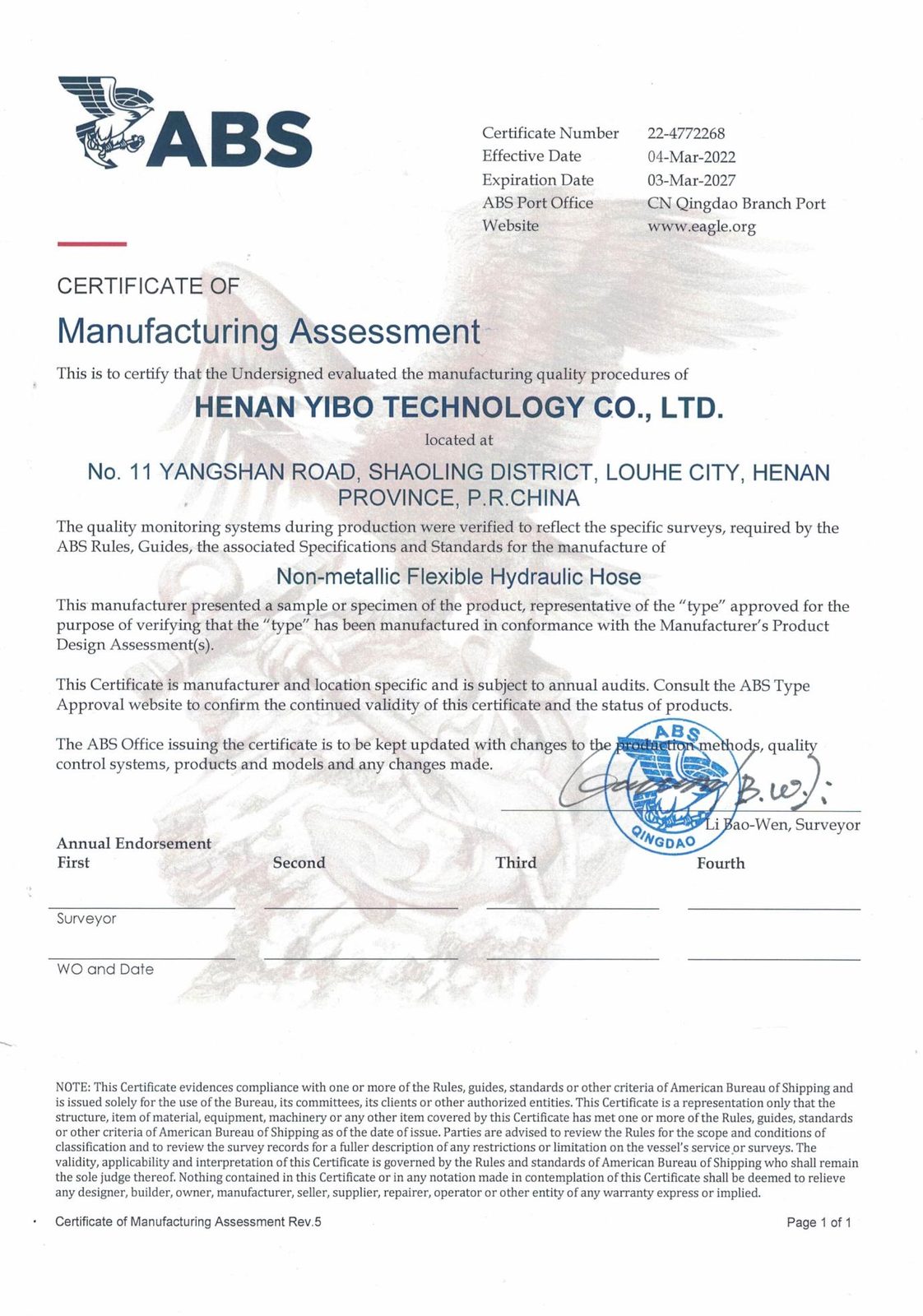
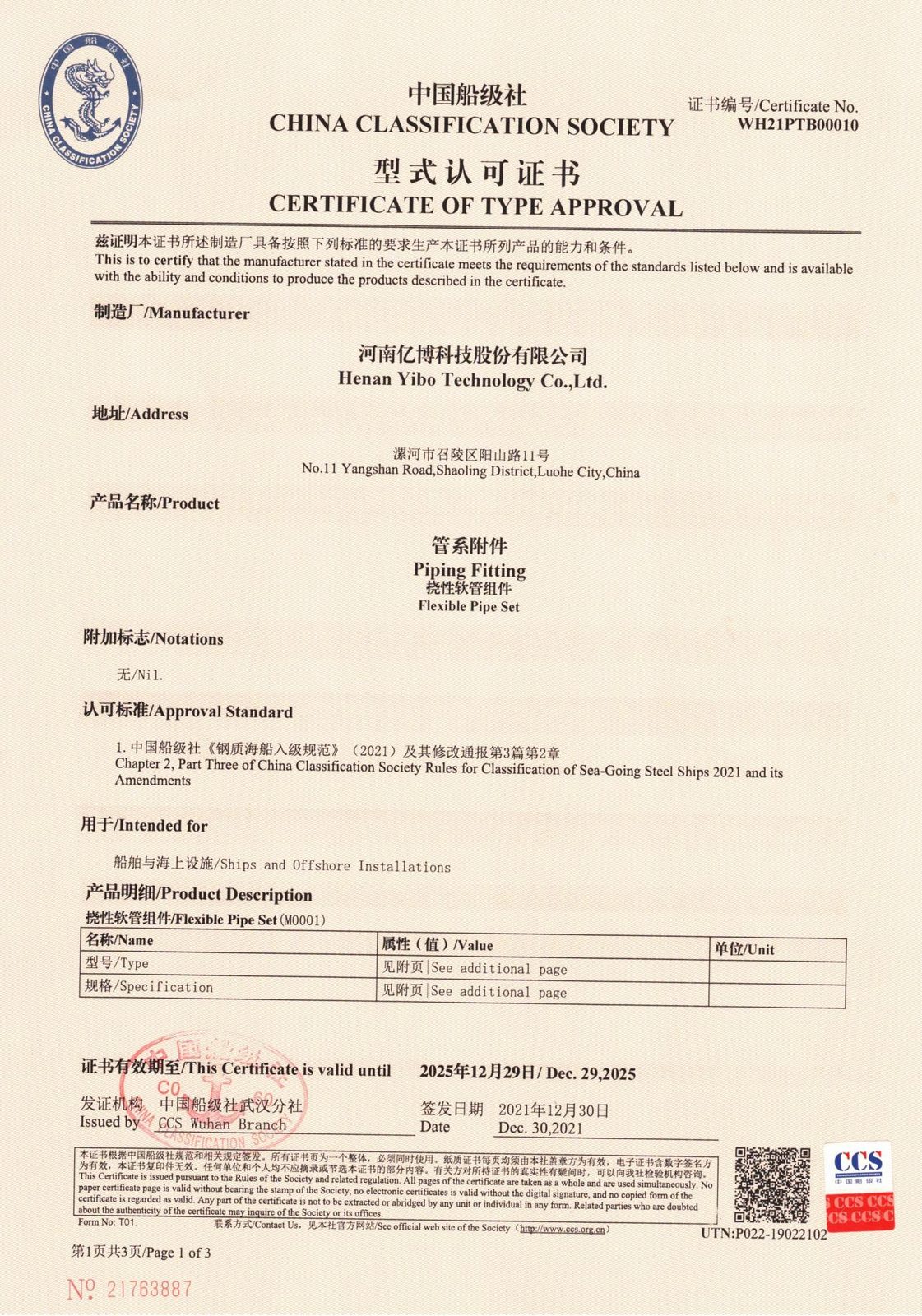
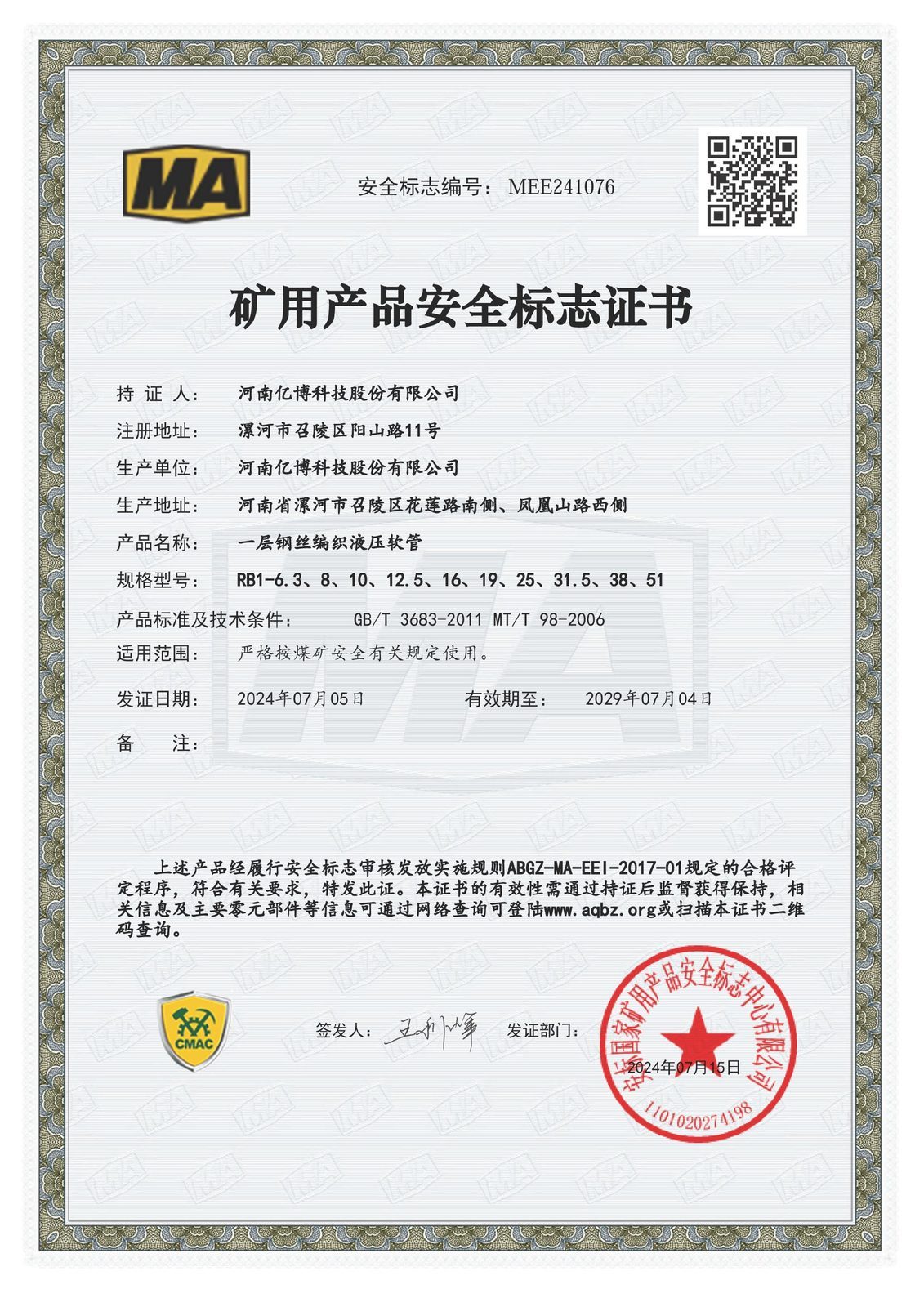
↓Certifications & factory photos
- Hose Construction
- Structure: high abrasion resistant special synthetic rubber inner liner, resistant to erosion from mud, sand and stones, smooth inner wall with low resistance and no blockage. multi-layer high-strength chemical fiber tire cord wrapped reinforcement, tight structure
- Working Temperature:-20℃ ~ +80℃
- Hose Features
- Application: mainly used for dredging mud discharge, river desilting, port waterway regulation, sea reclamation, reservoir and fish pond cleaning, municipal sand and mud discharge projects.
- Size Coverage:14 codes from 200 mm to 1100 mm bore, which is 8 to 44 inch.
- Pressure Rating:10–20 bar working, quoted per code in the table.
- Supply Length:Standard supply length 11.8 m.
24 Hours Service Hotline
+86 137 2136 0724


For distributors, OEMs & MRO buyers · 30+ countries · MOQ 100 m · free samples


In stock — ready to ship sooner than custom runs. Ask which sizes →
PRODUCT INTRODUCTION
Mud Discharge Hose — Positive Pressure, 11.8 m at a Time
This is the discharge leg of a dredging spread: the hose that takes the mud and sand mixture away from the pump and pushes it along the line, published in fourteen bores from 200 mm to 1100 mm at 10 to 20 bar working, in 11.8 m sections.
It is a pressure line and the table treats it as one. There is no vacuum duty here — the pump is upstream and the mixture is pushed, not pulled — so the wall is chosen against the head at the far end, and the 10 to 20 bar band is the range that head falls inside.
What actually defines a discharge line is arithmetic on the section length. A kilometre of line is 85 sections of 11.8 m, and every one of them is a joint that has to be made, checked and kept. That is why a larger bore at 10 bar is often cheaper to run than a smaller one at 20: fewer sections carry the same solids.
Data Display
| I.D | I.D | W.P bar | LENGTH m |
|---|---|---|---|
| mm | inch | ||
| 200 | 8" | 10~20 | 11.8 |
| 250 | 10" | 10~20 | 11.8 |
| 300 | 12" | 10~20 | 11.8 |
| 350 | 14" | 10~20 | 11.8 |
| 400 | 16" | 10~20 | 11.8 |
| 450 | 18" | 10~20 | 11.8 |
| 500 | 20" | 10~20 | 11.8 |
| 550 | 22" | 10~20 | 11.8 |
| 600 | 24" | 10~20 | 11.8 |
| 700 | 28" | 10~20 | 11.8 |
| 800 | 32" | 10~20 | 11.8 |
| 900 | 36" | 10~20 | 11.8 |
| 1000 | 40" | 10~20 | 11.8 |
| 1100 | 44" | 10~20 | 11.8 |
Values are reproduced from the official YIBO product page. MUD DISCHARGE DREDGING RUBBER TUBE: 14 codes in this table; the order data sheet governs the batch.
Application & Selection
Application: mainly used for dredging mud discharge, river desilting, port waterway regulation, sea reclamation, reservoir and fish pond cleaning, municipal sand and mud discharge projects. MUD DISCHARGE DREDGING RUBBER TUBE is published in 14 codes, starting at the 8" bore. MUD DISCHARGE DREDGING RUBBER TUBE runs from -20°C~+80°C.
MUD DISCHARGE DREDGING RUBBER TUBE carries a published 20 bar working rating. MUD DISCHARGE DREDGING RUBBER TUBE: We crimp and test every build in-house, 14 codes in all. Allow about 20 days from confirmation for MUD DISCHARGE DREDGING RUBBER TUBE; OEM marking and packing on request.
WHY THIS HOSE
Six Reasons a Discharge Line Is Counted in Sections
The pump sets the bore and the head sets the pressure band. What is left is how many joints a kilometre costs.
A Kilometre Is 85 Joints
At 11.8 m per section, one kilometre of line is 85 sections. Every extra section is another joint to make and inspect, which is why a bigger bore is often the cheaper answer.
Positive Pressure Only
The pump is upstream of this hose, so the wall works in compression of the mixture against the bore. There is no collapse duty on a discharge hose; that belongs to the suction leg.
Band Chosen by Head
10 to 20 bar is published as a band because the far end of the line decides it. A short outfall sits at 10 bar and a long one at 20, in the same 600 mm bore.
Bore to 1100 mm
Fourteen codes from 200 mm to 1100 mm, which is 8 to 44 inch. The bore is set by the pump and by the solids, not by a pressure class.
Steps Follow Flanges
The inch steps run 8 to 24 inch up to 600 mm, then jump to 28, 32, 36, 40 and 44 inch from 700 to 1100 mm, because the flange series changes at that point and the bore below 700 mm no longer matches the standard a dredger pump outlet uses.
Smooth Bore, Less Head
A smooth inner wall keeps the friction loss down over a long run, which is the difference between holding 10 bar and needing 20 on the same line. On a kilometre of 11.8 m sections that difference is the whole reason a 600 mm bore is chosen over a 400 mm one.
CONSTRUCTION
Three Numbers That Fix the Order
The Bore
200 mm to 1100 mm, from 8 to 44 inch. It is set by the dredger pump and the solids in the mixture, and it is the first number on the order.
The Pressure Band
10 to 20 bar, chosen against the head at the end of the run. A 1100 mm bore on a short outfall sits at 10 bar; a 400 mm bore on a long one sits at 20.
The Section
11.8 m on every code. One kilometre is 85 sections, so the section length is what a discharge scheme is really costed on.
APPLICATIONS
Where the Discharge Line Goes
Dredger to Bank
The 500 mm code at 10 to 20 bar, pushing from a cutter suction dredger onto a reclamation bank.
Reclamation Fill
The 800 mm code, where the bore carries the solids and the head stays at the low end of the band.
Reservoir Desilting
The 300 mm code on a short run, at 10 bar and 11.8 m per section.
Port Waterway Works
The 600 mm code, sized to the pump and jointed along the quay.
Fish Pond and Canal Cleaning
The 200 mm code, the smallest bore in the table, on a line that is moved by hand.
Long Landfall Runs
The 400 mm code at 20 bar, where the head at the far end is the reason for the upper band.
HIGH-END INDUSTRY DIRECTIONS
What a Discharge Scheme Is Costed On
Contractors ask about joints and head loss, because both scale with the length of the run rather than with the bore.
① Joints per Kilometre mud discharge hose
Trend: Schemes are costed by the joint count.
Dohose: 11.8 m sections, so 85 joints per kilometre.
② Longer Pushes discharge line
Trend: Fill areas move further from the dredger.
Dohose: The 10 to 20 bar band covers the longer head.
③ Bigger Solids dredging hose
Trend: Coarser material is pumped rather than dug.
Dohose: Bores to 1100 mm, 44 inch.
④ Wall Wear abrasion hose
Trend: Wear is read at the change of direction.
Dohose: Smooth bore, 200 to 1100 mm, replaced by the section.
⑤ Spares on Site replacement section
Trend: Two sections are held against a burst.
Dohose: Any bore ordered as a single 11.8 m piece.
⑥ Freight by Box rubber tube
Trend: Lines are shipped by container where they can be.
Dohose: 11.8 m fits inside a 40 ft box.
WHY DOHOSE
Seven Reasons Buyers Stay with Us
Published Per Code
The Mud Discharge Dredging Rubber Tube is published code by code — 15 rows, 200–1100 mm, each with its own pressure and mass.
One Factory, Whole Range
From the smallest to the largest bore in 200–1100 mm, the Mud Discharge Dredging Rubber Tube is made in one plant — no second source.
Cut to the Metre
Take the length the job needs — Mud Discharge Dredging Rubber Tube is cut from the coil, with published per code published so handling can be planned.
Tested Before Boxing
Every assembly built from Mud Discharge Dredging Rubber Tube passes a hydrostatic test before it leaves the plant.
Packed for the Container
Pallet layouts for Mud Discharge Dredging Rubber Tube are planned against the container, so freight per metre stays predictable.
Private Label
Printing, labels and packing for Mud Discharge Dredging Rubber Tube can carry a distributor brand.
Same-Hour Reply
Bore, quantity and ends are enough to price Mud Discharge Dredging Rubber Tube; the reply goes out within 1 hour.
FAQ
Mud Discharge Hose — Ten Questions
Discharge hose vs a suction hose — what changes?
The direction of the load. This hose is downstream of the pump at 10 to 20 bar positive pressure, so the wall is chosen against the head; a suction hose carries the same 200 to 1100 mm bores but has to resist collapse as well.
Can a suction hose replace the discharge leg?
It will physically fit, but it is the wrong purchase: the collapse resistance a suction hose pays for does nothing on a discharge run, while the head loss over a kilometre is what actually matters. Buy the discharge leg for its bore and its 11.8 m section.
What is the largest bore?
1100 mm, which is 44 inch, at 10 to 20 bar and 11.8 m per section — the top of the fourteen-code range.
How many joints does a kilometre of line mean?
The count falls straight out of the section length: 11.8 m per piece, and each piece is a joint. That count, not the pressure, is what decides whether a larger bore pays for itself on a long run.
Will it handle mud with sand and stones in it?
That is the published duty across the whole range from 200 mm to 1100 mm at 10 to 20 bar. The bore is chosen large enough that stones pass rather than lodge, which is also why the table goes to 44 inch.
Can it push to a reclamation area a long way off?
Yes, at the top of the band. The 400 mm code at 20 bar is the usual choice for a long landfall, while the 800 mm code at 10 bar covers a short, high-volume fill.
Why is the pressure published as 10 to 20 bar?
Because the head at the far end of the line sets it. The same 600 mm section can be ordered for a short outfall at 10 bar or a long one at 20 bar, and the table publishes the band rather than one figure that would be wrong half the time.
Why does a discharge line wear through at the elbows?
At elbows and at the first section after the pump, where the solids hit the wall hardest. The wear is a function of the mixture and the head, so a line run at 20 bar wears faster than the same line at 10 — which is why the band is worth staying low in.
How is a discharge line packed and shipped?
By the section. At 11.8 m a piece goes into a 40 ft container, so a line of any bore from 200 mm to 1100 mm can travel by box and be assembled on site.
What is the minimum order?
One section of 11.8 m in any of the fourteen bores from 200 mm to 1100 mm, and lines are quoted as a section count plus elbows. Send the pump outlet, the bore and the length of the run for a firm figure.
Related Products
AIR / Water Delivery HOSE
Inner Tube: NR + SBR (Natural Rubber + Styrene Butadiene Rubber) / Reinforcement: High-strengt…
Aircraft Refueling HOSE
Structure: special fuel-resistant rubber inner liner, resistant to swelling and permeation of…
Animal Feed/grain HOSE
Inner rubber layer: wear-resistant natural rubber (brown). reinforcement layer: high-strength…
Conductive Chemical Suction and Discharge HOSE
The inner wall adopts uhmwpe+epdm material, featuring high temperature resistance, oxidation r…
Get a quote
Please fill out the form below and we will contact you within 1 hour.
We are online 24/7!
We will contact you within 1 hour of receiving your enquiry.
Hotline