
FLOATING DREDGING RUBBER HOSE
MARINE / SEAWATER · DREDGING / SLURRY · -20°C~+80°C · 14 sizes
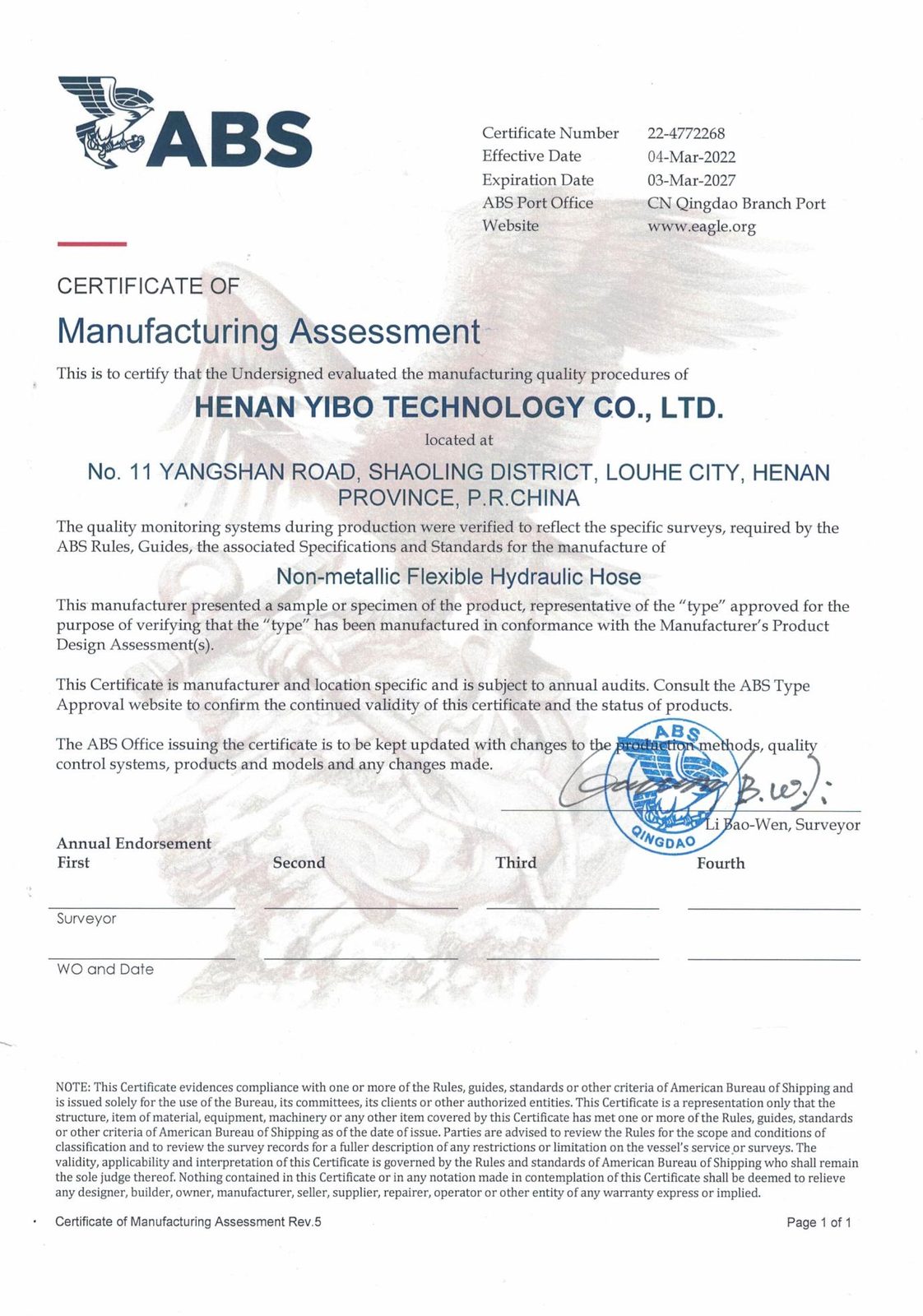
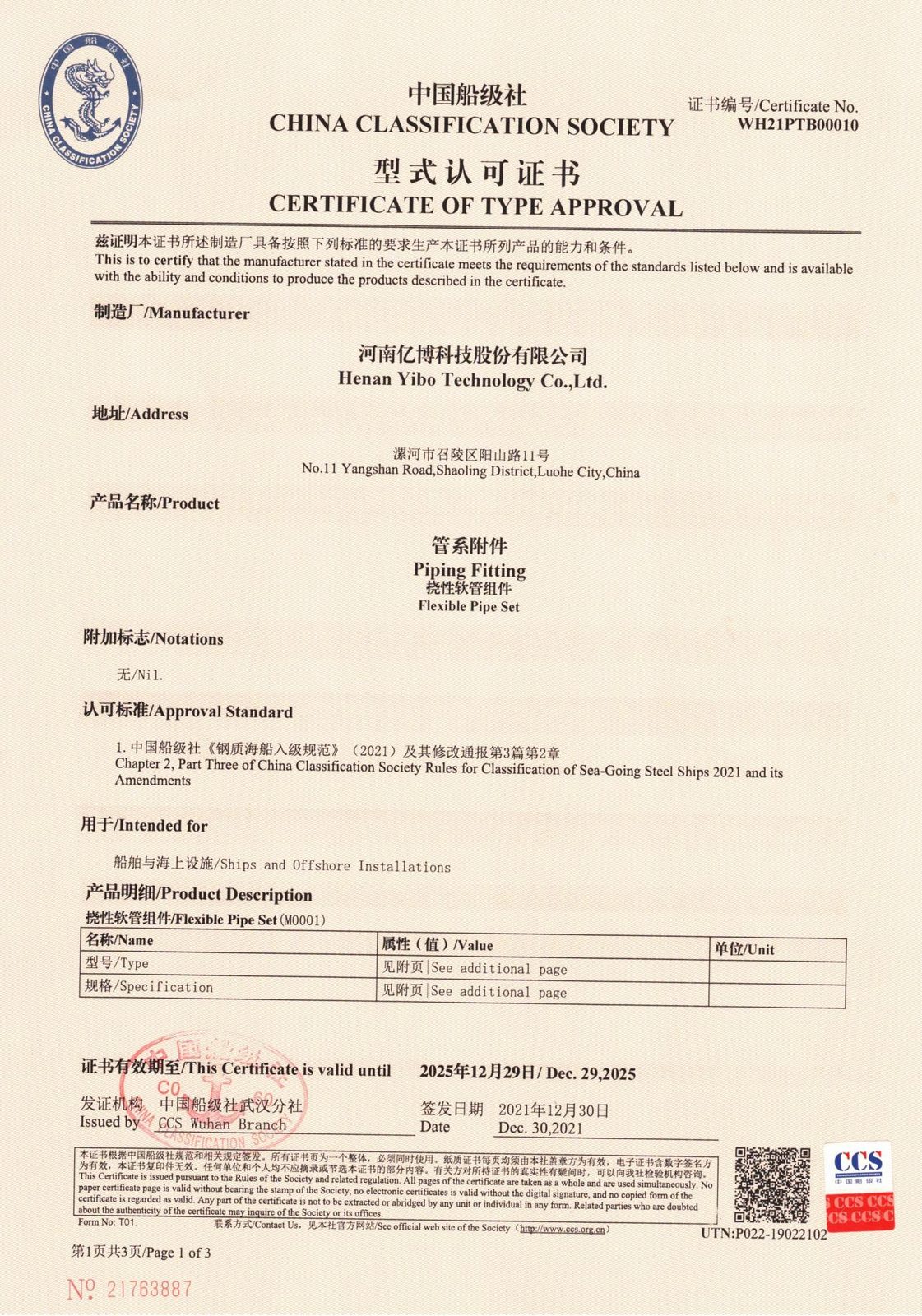
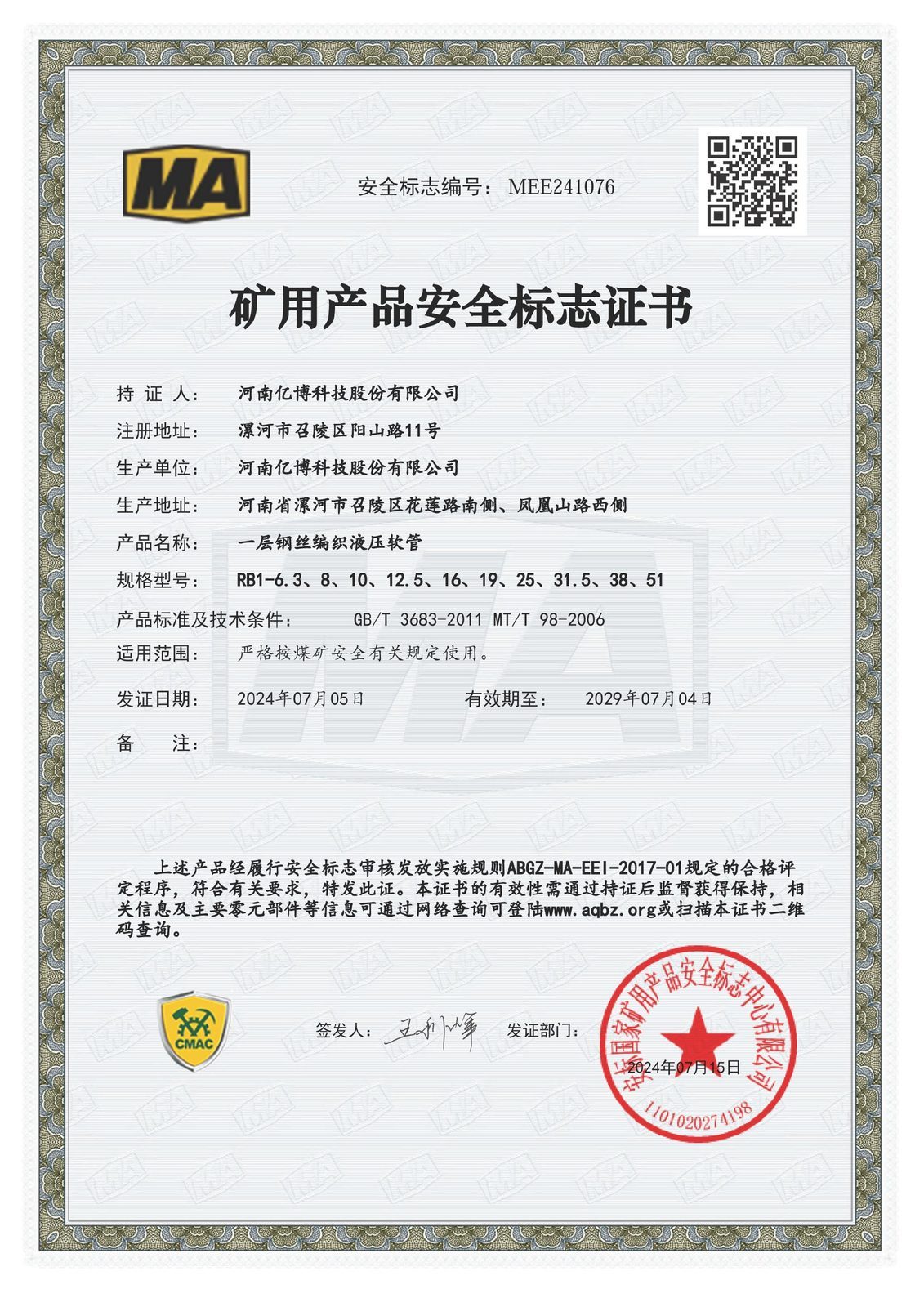
↓Certifications & factory photos
- Hose Construction
- Working Temperature:-20℃ ~ +80℃
- Service Support:Selection guidance and after-sales technical support - call 137 2136 0724
- Hose Features
- Application: widely applied in marine waterway dredging, port desilting, sea reclamation, offshore sand and mud discharge, large-scale river and lake dredging projects.
- Size Coverage:14 codes from 200 mm to 1100 mm bore, which is 8 to 44 inch.
- Pressure Rating:10–20 bar working, quoted per code in the table.
- Supply Length:Supplied in 11.8 m lengths, as published per code in the table.
24 Hours Service Hotline
+86 137 2136 0724


For distributors, OEMs & MRO buyers · 30+ countries · MOQ 100 m · free samples


In stock — ready to ship sooner than custom runs. Ask which sizes →
PRODUCT INTRODUCTION
Floating Dredging Hose — 8 to 44 inch, in 11.8 m Sections
This is the floating line of a dredging spread: the hose that carries the sand and seawater mixture from the dredger along the water surface to the discharge point, published in fourteen bores from 200 mm to 1100 mm — 8 inch to 44 inch — at 10 to 20 bar working, in 11.8 m sections.
The table publishes three things and no more: the bore, the pressure band and the section length. That is not a thin sheet, it is the right sheet for a floating line — the bore is fixed by the dredger pump, the pressure band by the discharge head, and the section length by how the line is floated and shipped.
Its own constraint is not pressure at all. A 1100 mm bore at 10 bar moves more material than any pressure rating on the page suggests, and a 11.8 m section is the length that still goes inside a 40 ft container, whose internal length is 12.03 m. A floating line is bought by the section and joined on the water, not unrolled from a coil.
Data Display
| I.D | I.D | W.P bar | LENGTH m |
|---|---|---|---|
| mm | inch | ||
| 200 | 8" | 10~20 | 11.8 |
| 250 | 10" | 10~20 | 11.8 |
| 300 | 12" | 10~20 | 11.8 |
| 350 | 14" | 10~20 | 11.8 |
| 400 | 16" | 10~20 | 11.8 |
| 450 | 18" | 10~20 | 11.8 |
| 500 | 20" | 10~20 | 11.8 |
| 550 | 22" | 10~20 | 11.8 |
| 600 | 24" | 10~20 | 11.8 |
| 700 | 28" | 10~20 | 11.8 |
| 800 | 32" | 10~20 | 11.8 |
| 900 | 36" | 10~20 | 11.8 |
| 1000 | 40" | 10~20 | 11.8 |
| 1100 | 44" | 10~20 | 11.8 |
Values are reproduced from the official YIBO product page. FLOATING DREDGING RUBBER HOSE: 14 codes in this table; the order data sheet governs the batch.
Application & Selection
Application: widely applied in marine waterway dredging, port desilting, sea reclamation, offshore sand and mud discharge, large-scale river and lake dredging projects. compatible with dredgers and marine slurry pipelines, it can float on the water surface during operation, transport mud, sand and gravel mixed media under positive pressure. FLOATING DREDGING RUBBER HOSE is published in 14 codes, starting at the 8" bore. FLOATING DREDGING RUBBER HOSE runs from -20°C~+80°C.
FLOATING DREDGING RUBBER HOSE carries a published 20 bar working rating. FLOATING DREDGING RUBBER HOSE: We crimp and test every build in-house, 14 codes in all. Allow about 20 days from confirmation for FLOATING DREDGING RUBBER HOSE; OEM marking and packing on request.
WHY THIS HOSE
Six Reasons the Section Length Leads the Spec
On a floating line the bore is set by the pump and the pressure by the head. What is left to decide is how the line is built and shipped.
11.8 m Fits a Box
A 40 ft container measures 12.03 m inside, so a 11.8 m section travels by container instead of by break bulk — which is what decides the freight on a 1100 mm bore line.
Fourteen Bores to 44 inch
The range runs 200, 250, 300, 350, 400, 450, 500, 550, 600, 700, 800, 900, 1000 and 1100 mm, so a line is matched to the pump rather than stepped up with reducers.
A Band, Not a Figure
Working pressure is published as 10 to 20 bar across the range because the wall is chosen against the discharge head: the same 600 mm bore can be ordered for a short outfall or a long one.
The Inch Steps Change at 24
Up to 600 mm the steps are 8, 10, 12, 14, 16, 18, 20, 22 and 24 inch; after that the series jumps to 28, 32, 36, 40 and 44 inch at 700 to 1100 mm, because the flange standards change at that point.
Short Sections, Straight Line
A 11.8 m section is stiff enough to float in a straight run between pontoons, and short enough that a bend is taken by a purpose-made elbow rather than by straining the hose.
Bore Does the Work
A 1100 mm bore at 10 bar carries far more solids than a 200 mm bore at 20 bar, which is why the table widens the range downward in pressure and upward in diameter.
CONSTRUCTION
Three Numbers That Fix the Order
The Bore
200 mm to 1100 mm, published against its inch equivalent from 8 to 44 inch. This is the first number, because it has to match the dredger pump outlet and the pontoon flange.
The Pressure Band
10 to 20 bar, chosen against the discharge head rather than fixed for the range. A short outfall sits at the bottom of the band, a long one at the top.
The Section
11.8 m, published on every one of the fourteen codes. It sets the number of joints on the water and whether the line ships in containers.
APPLICATIONS
Where a Floating Line Runs
Channel Dredging
The 600 mm code at 10 to 20 bar, floating between pontoons along a navigation channel.
Port Desilting
The 500 mm code, sized to a port dredger pump and floated inside the basin.
Sea Reclamation
The 800 mm code at 10 bar, running from a trailing suction hopper to a fill area.
Offshore Sand Discharge
The 1000 mm code, where the bore and not the pressure sets the output.
Lake and Reservoir Work
The 300 mm code, short sections that can be handled from a small pontoon.
Long Outfalls
The 400 mm code at 20 bar, where the head at the end of the line is the reason for the upper band.
HIGH-END INDUSTRY DIRECTIONS
What a Dredging Contractor Asks
The questions are about flotation, joints and freight — the pressure is settled by the pump and the head.
① Container Freight floating hose
Trend: Lines are costed by how they ship.
Dohose: 11.8 m sections, inside a 40 ft box.
② Bigger Pumps dredging hose
Trend: Hopper pumps grow and the bore follows.
Dohose: Fourteen bores to 1100 mm, 44 inch.
③ Longer Outfalls discharge hose
Trend: Discharge points move further offshore.
Dohose: The 10 to 20 bar band covers the longer head.
④ Joints on the Water rubber hose
Trend: Every joint is a place to lose a day.
Dohose: 11.8 m sections reduce the count per kilometre.
⑤ Pontoon Matching floating line
Trend: Hose sections are matched to pontoon spacing.
Dohose: One section length, published for all fourteen codes.
⑥ Spares at the Yard replacement section
Trend: Contractors hold two or three sections spare.
Dohose: Any bore from 200 to 1100 mm, ordered as a single section.
WHY DOHOSE
Seven Reasons Buyers Stay with Us
Published Per Code
The Floating Dredging Rubber Hose is published code by code — 15 rows, 200–1100 mm, each with its own pressure and mass.
One Factory, Whole Range
From the smallest to the largest bore in 200–1100 mm, the Floating Dredging Rubber Hose is made in one plant — no second source.
Cut to the Metre
Take the length the job needs — Floating Dredging Rubber Hose is cut from the coil, with published per code published so handling can be planned.
Tested Before Boxing
Every assembly built from Floating Dredging Rubber Hose passes a hydrostatic test before it leaves the plant.
Packed for the Container
Pallet layouts for Floating Dredging Rubber Hose are planned against the container, so freight per metre stays predictable.
Private Label
Printing, labels and packing for Floating Dredging Rubber Hose can carry a distributor brand.
Same-Hour Reply
Bore, quantity and ends are enough to price Floating Dredging Rubber Hose; the reply goes out within 1 hour.
FAQ
Floating Dredging Hose — Ten Questions
Floating dredging hose vs a plain discharge hose — what changes?
The floating line is carried by pontoons and jointed on the water, so it is bought by the section: 11.8 m at every bore from 200 mm to 1100 mm. A plain discharge hose is laid on the bank or the seabed and is bought by the coil.
Can it replace a steel floating pipeline?
Yes, and that is the usual reason for the enquiry. A rubber section of 11.8 m at 600 mm or 1100 mm is lighter to handle than a steel spool of the same bore, and the 10 to 20 bar band covers the head a steel floating line is normally built for.
What is the largest size?
1100 mm bore, which is 44 inch, rated 10 to 20 bar and supplied in 11.8 m sections. It is the last of the fourteen codes and the one a large hopper discharge line is built around.
Why does the range jump from 24 inch to 28 inch?
Because the flange series changes at that point. The steps run 20, 22 and 24 inch up to 600 mm, then continue 28, 32, 36, 40 and 44 inch from 700 mm to 1100 mm, and the size in between is not published at all.
Will it handle seawater and sand together?
That is the medium it is published for, across all fourteen bores from 200 mm to 1100 mm at 10 to 20 bar. The mixture is abrasive and the bore is large, which is why the line is specified by diameter and section length rather than by a pressure class alone.
Can it run from a dredger pump straight to a reclamation area?
Yes — that is the layout: the 400 mm code is a common choice for a mid-size cutter suction dredger, and the 800 mm code for a hopper discharge to a fill area, both at the same 10 to 20 bar band.
Why is the pressure a band rather than one figure?
Because the wall is chosen against the head at the end of the line. A short outfall sits at 10 bar and a long one at 20 bar in the same bore, so the table publishes the band and the order fixes the figure inside it.
Why do floating lines fail at the flange?
Because a 1100 mm section carries its own weight plus the mixture, and the flange is where that load changes hands. The failure is a joint problem, not a bore problem: check the pontoon spacing and the support at each end before blaming the 10 to 20 bar rating.
How is a floating line packed for shipping?
By the section. At 11.8 m a piece goes straight into a 40 ft container, so a line of any bore from 200 mm to 1100 mm can travel by box and be jointed at the water.
What is the minimum order?
One section, 11.8 m, in any of the fourteen bores from 200 mm to 1100 mm. A line is quoted as a number of sections plus the elbows, and the 10 to 20 bar figure is fixed when the discharge head is known.
Related Products
AIR / Water Delivery HOSE
Inner Tube: NR + SBR (Natural Rubber + Styrene Butadiene Rubber) / Reinforcement: High-strengt…
Aircraft Refueling HOSE
Structure: special fuel-resistant rubber inner liner, resistant to swelling and permeation of…
Animal Feed/grain HOSE
Inner rubber layer: wear-resistant natural rubber (brown). reinforcement layer: high-strength…
Conductive Chemical Suction and Discharge HOSE
The inner wall adopts uhmwpe+epdm material, featuring high temperature resistance, oxidation r…
Get a quote
Please fill out the form below and we will contact you within 1 hour.
We are online 24/7!
We will contact you within 1 hour of receiving your enquiry.
Hotline