
FEP SUCTION‑DISCHARGE HOSE
CHEMICAL RESISTANT · SUCTION / VACUUM RATED · UV / OZONE RESISTANT · 10 bar working / 40 bar burst · 19–102 mm
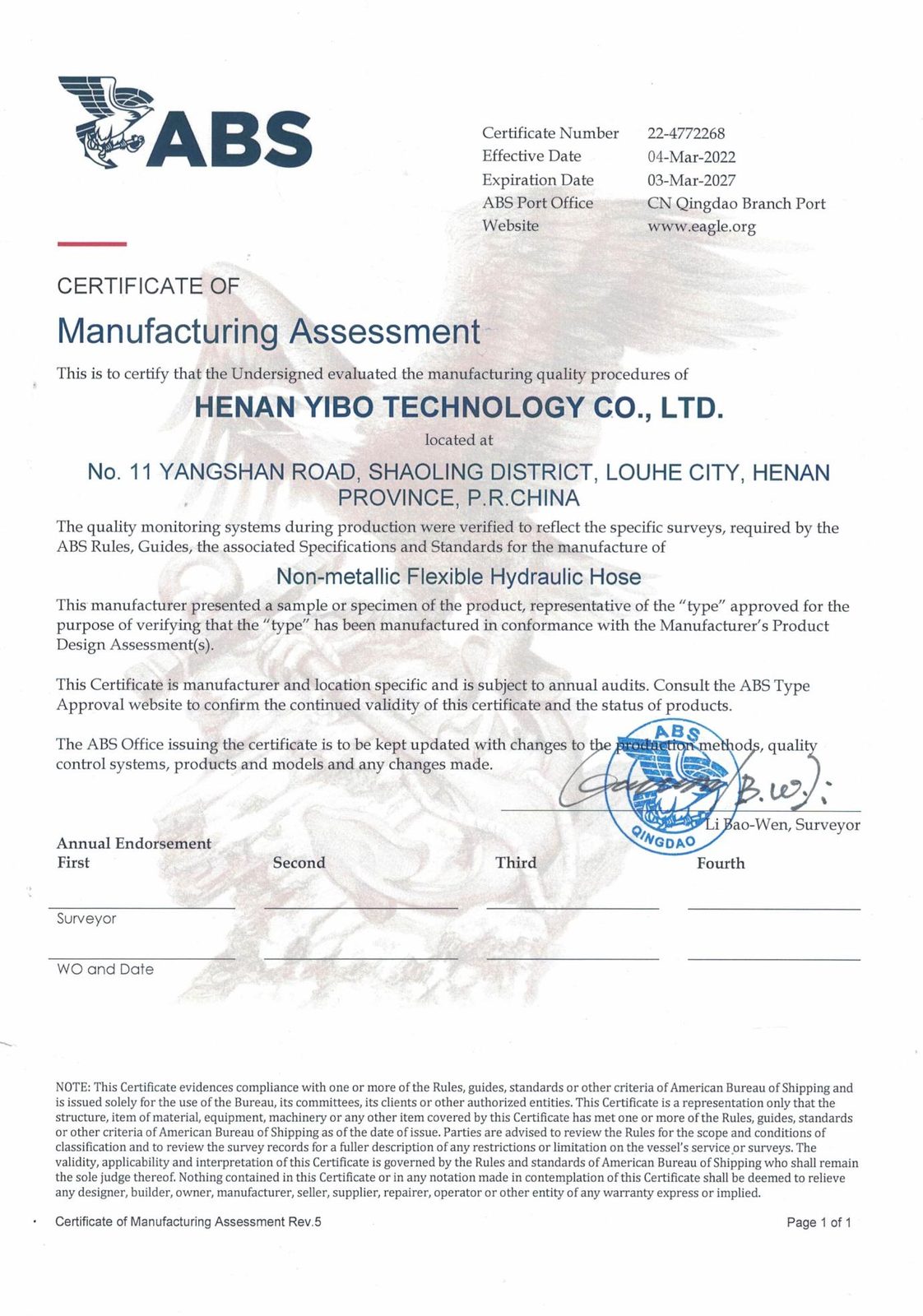
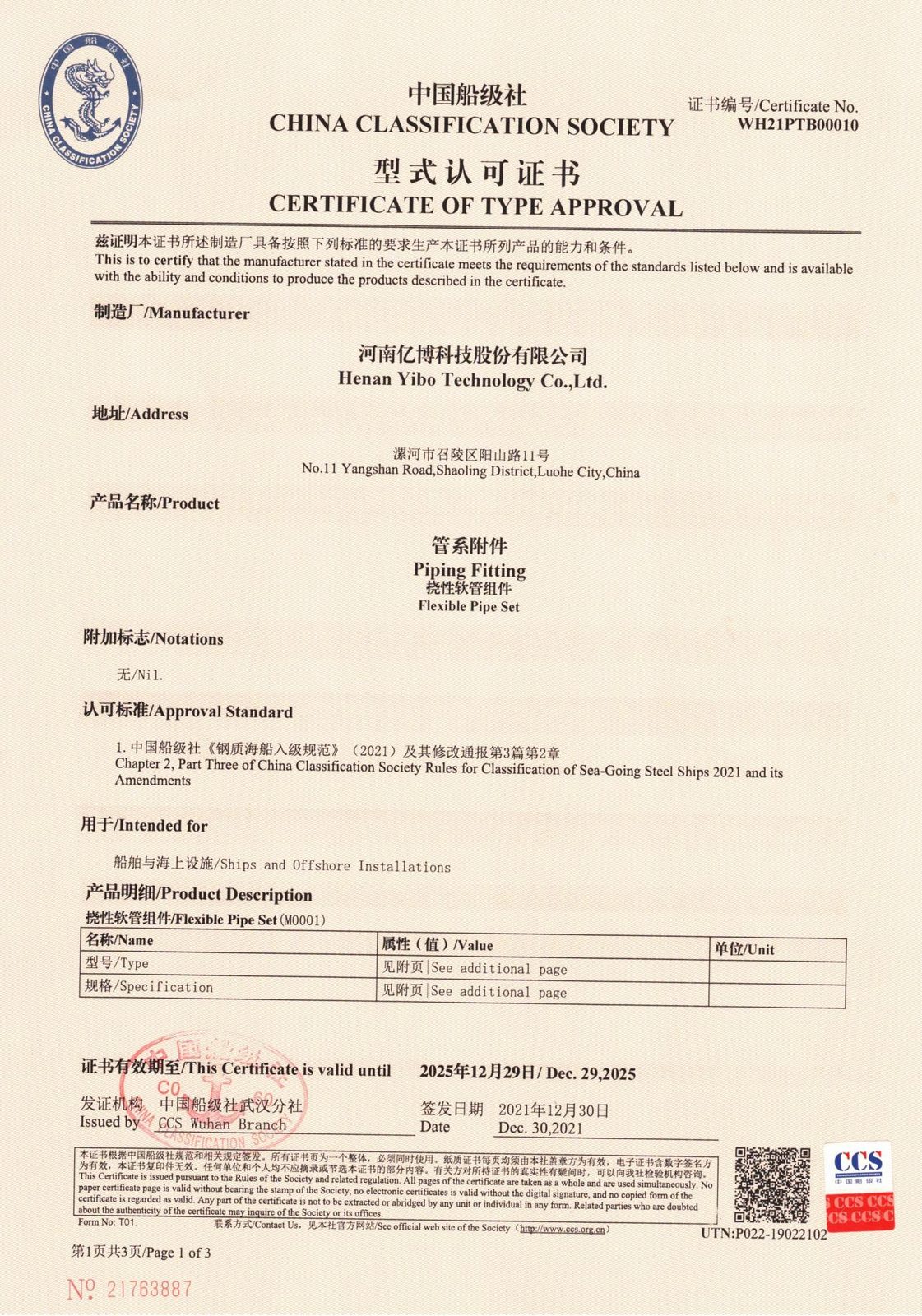
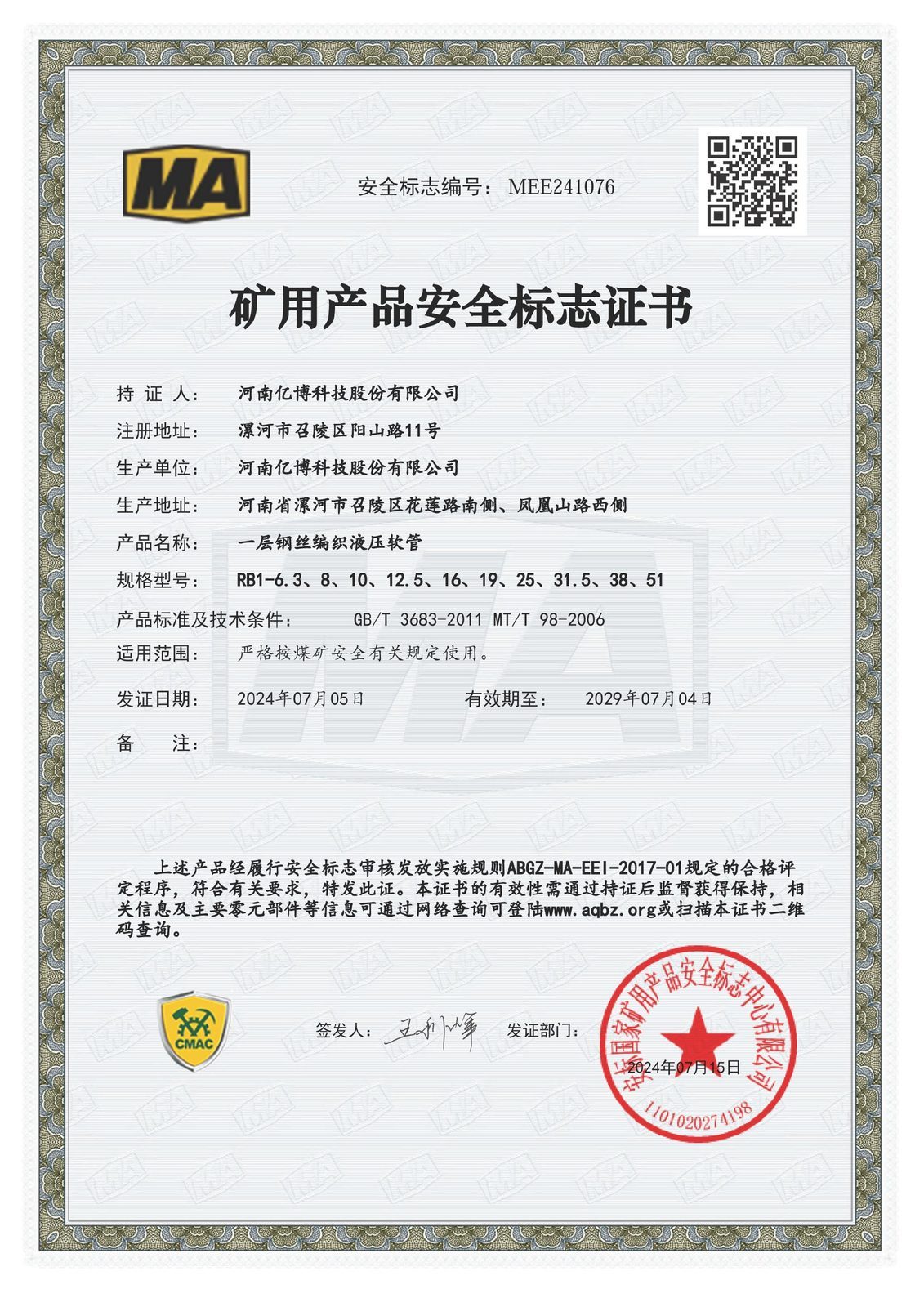
↓Certifications & factory photos
- Hose Construction
- Structure: fep fluoroplastic inner liner with superior chemical corrosion resistance; high‑strength steel wire plus synthetic fiber winding reinforcement for pressure and vacuum resistance, suitable for suction‑discharge service; epdm outer cover with wear‑resistant, uv‑resistant and anti‑aging performance
- Working Temperature:‑60℃ ~ +200℃
- Hose Features
- Pressure Rating:Rated 10 bar working with 40 bar minimum burst: a 4.0× safety margin, quoted per code in the table below.
- Mass Per Metre:0.83–5.48 kg/m.
- Application:Applications: for suction and discharge service under vacuum and pressure conditions, conveying strong acids, strong alkalis, organic solvents and high‑temperature strongly corrosive media.
- Outer Diameter:Outer diameter 32–120.4 mm across the published bores.
- Supply Length:Supplied in 40 m lengths, as published per code in the table.
24 Hours Service Hotline
+86 137 2136 0724


For distributors, OEMs & MRO buyers · 30+ countries · MOQ 100 m · free samples


In stock — ready to ship sooner than custom runs. Ask which sizes →
PRODUCT INTRODUCTION
FEP Suction and Discharge Hose — One Hose, Both Directions
A tanker is emptied by suction and filled by pressure, and on most chemical transfers it is the same line doing both. This hose is published for that duty: suction and discharge under vacuum and pressure conditions, in eight codes from 19 mm to 102 mm bore, rated 10 bar working with 40 bar minimum burst.
The build is a fluoroplastic liner over which sits high-strength steel wire plus synthetic fibre winding. That wire is the part that matters in this page: when a pump pulls, the wall is loaded from the outside, and a liner on its own would flatten. The winding holds the bore round through the suction stroke and then carries the pressure on the discharge stroke.
So the numbers read as a pair. 10 bar is the pushing figure, 40 bar is the burst behind it, and the same eight codes run from the 19 mm bore at 32 mm outside to the 102 mm bore at 120.4 mm, in 40 m lengths, with mass from 0.83 to 5.48 kg per metre.
Data Display
| ITEM CODE | I.D (mm) | I.D (inch) | O.D mm | W.P (bar) | psi | W.P (psi) | B.P (bar) | psi | B.P (psi) | WEIGHT kg/m | MAX LENGTH m |
|---|---|---|---|---|---|---|---|---|---|---|---|
| FEPSD019-150 | 19 | 3/4" | 32 | 10 | 145 | 150 | 40 | 580 | 600 | 0.83 | 40 |
| FEPSD025-150 | 25 | 1" | 38 | 10 | 145 | 150 | 40 | 580 | 600 | 1.02 | 40 |
| FEPSD032-150 | 32 | 1-1/4" | 45.5 | 10 | 145 | 150 | 40 | 580 | 600 | 1.31 | 40 |
| FEPSD038-150 | 38 | 1-1/2" | 52.2 | 10 | 145 | 150 | 40 | 580 | 600 | 1.63 | 40 |
| FEPSD051-150 | 51 | 2" | 65.2 | 10 | 145 | 150 | 40 | 580 | 600 | 2.11 | 40 |
| FEPSD064-150 | 64 | 2-1/2" | 79.2 | 10 | 145 | 150 | 40 | 580 | 600 | 2.75 | 40 |
| FEPSD076-150 | 76 | 3" | 91.2 | 10 | 145 | 150 | 40 | 580 | 600 | 3.22 | 40 |
| FEPSD102-150 | 102 | 4" | 120.4 | 10 | 145 | 150 | 40 | 580 | 600 | 5.48 | 40 |
Values are reproduced from the official YIBO product page. FEP SUCTION‑DISCHARGE HOSE: psi columns = MPa × 145.038, rounded. FEP SUCTION‑DISCHARGE HOSE: 8 codes in this table; the order data sheet governs the batch.
Application & Selection
Applications: for suction and discharge service under vacuum and pressure conditions, conveying strong acids, strong alkalis, organic solvents and high‑temperature strongly corrosive media. FEP SUCTION‑DISCHARGE HOSE covers 19–102 mm across 8 published codes.
Working and burst rating of FEP SUCTION‑DISCHARGE HOSE peak at 10 / 40 bar, a 4:1 margin. FEP SUCTION‑DISCHARGE HOSE: Weight band: 0.83–5.48 kg/m over the 8 rows. FEP SUCTION‑DISCHARGE HOSE assemblies ship crimped and pressure-tested, with metric / BSP / JIC / ORFS ends. FEP SUCTION‑DISCHARGE HOSE runs roughly 20 days from confirmation over its 8 codes, with OEM marking and packing.
WHY THIS HOSE
Six Reasons a Suction Line Is a Different Order
Filling a tanker and emptying one are two different loads on the same hose. Both happen on the same connection.
The Wall Works Both Ways
Under suction the load arrives from outside and the bore tries to close; under discharge it pushes outward at 10 bar. The steel wire plus fibre winding is what lets one hose do both.
Published for Vacuum
The duty on this page is stated as suction and discharge under vacuum and pressure, not as pressure alone — which is the distinction that decides whether a line is bought here or on the transfer page.
Burst Behind the Push
Every code is 10 bar working with 40 bar minimum burst, so a pump that keeps running against a closed valve has a margin rather than a failure.
Eight Bores to 4 inch
19, 25, 32, 38, 51, 64, 76 and 102 mm cover a drum pump and a tanker connection from the same family, so the suction wand and the discharge arm can be the same bore.
40 m of Line
A 40 m length reaches from a tanker parking position to a manifold without a joint, which is where a suction line usually leaks first.
Fluoroplastic Underneath
The liner is FEP, so the medium that is being sucked out is the same class of aggressive product the transfer version is built for — the difference between the two pages is the load, not the chemistry.
CONSTRUCTION
Liner, Winding, Cover
Inner Liner
FEP fluoroplastic, the medium-facing surface, in bores from 19 mm to 102 mm on a suction and discharge duty.
Reinforcement
High-strength steel wire plus synthetic fibre winding, sized to hold the bore round under vacuum and to carry 10 bar on the discharge stroke.
Cover
The outer cover over the winding, from 32 mm outside at the 19 mm code to 120.4 mm at the 102 mm code.
APPLICATIONS
Where the Line Both Pulls and Pushes
Tanker Emptying
The 76 mm code at 3 inch, on the suction stroke from a road tanker to a storage vessel.
Tanker Filling
The same 76 mm code on the discharge, at 10 bar with 40 bar burst behind it.
Drum Decanting
The 25 mm code at 1 inch, pull from a drum and push to a reactor on one connection.
Reactor Draw-Off
The 51 mm code at 2 inch, where the same line is used to empty and to wash through.
Sump Transfer
The 38 mm code at 52.2 mm outside, on a suction leg that has to stay open.
Rail Car Unloading
The 102 mm code at 5.48 kg/m, where the bore sets the unloading time.
HIGH-END INDUSTRY DIRECTIONS
What a Transfer Operator Watches
The question is not what the hose carries but what the pump does to it at the end of the stroke.
① One Line, Two Strokes suction hose
Trend: Operators connect once and reverse the pump.
Dohose: Published for vacuum and pressure on all eight codes.
② Collapsed Lines vacuum hose
Trend: A flattened bore stops the job.
Dohose: Steel wire plus fibre winding in the wall.
③ Tanker Turnaround discharge hose
Trend: Unloading time is measured in minutes.
Dohose: 102 mm at 120.4 mm outside, 40 m per length.
④ Dead-Heading pressure hose
Trend: A valve closes before the pump stops.
Dohose: 40 bar burst on 10 bar working.
⑤ Suction Wands small bore hose
Trend: Drums are emptied with a 1 inch wand.
Dohose: 25 mm code at 38 mm outside, 1.02 kg/m.
⑥ Joints on the Deck 40 m hose
Trend: Every coupling is a place to spill.
Dohose: 40 m lengths, jointed at the ends only.
WHY DOHOSE
Seven Reasons Buyers Stay with Us
Published Per Code
The FEP Suction‑discharge Hose is published code by code — 8 rows, 19–102 mm, each with its own pressure and mass.
One Factory, Whole Range
From the smallest to the largest bore in 19–102 mm, the FEP Suction‑discharge Hose is made in one plant — no second source.
Cut to the Metre
Take the length the job needs — FEP Suction‑discharge Hose is cut from the coil, with 0.83–5.48 kg/m published so handling can be planned.
Tested Before Boxing
Every assembly built from FEP Suction‑discharge Hose passes a hydrostatic test before it leaves the plant.
Packed for the Container
Pallet layouts for FEP Suction‑discharge Hose are planned against the container, so freight per metre stays predictable.
Private Label
Printing, labels and packing for FEP Suction‑discharge Hose can carry a distributor brand.
Same-Hour Reply
Bore, quantity and ends are enough to price FEP Suction‑discharge Hose; the reply goes out within 1 hour.
FAQ
FEP Suction and Discharge Hose — Ten Questions
Suction and discharge hose vs the plain transfer version — what changes?
The duty, not the bore. Both run 19 mm to 102 mm at 10 bar, but this one is published for vacuum as well as pressure, so the winding has to hold the bore round when the pump pulls instead of only carrying the push.
Can the transfer hose replace this one on a suction leg?
No. A pressure transfer hose is built to be pushed outward at 10 bar; put it on the suction side and the same wall is loaded from outside and closes up. The two look alike on a 40 m coil and are not interchangeable.
What is the rating on the 2 inch code?
10 bar working with 40 bar minimum burst on a 51 mm bore, a 65.2 mm outside diameter and 2.11 kg per metre, in a 40 m length, on both the suction and the discharge stroke.
What is the largest bore for a tanker connection?
102 mm at 4 inch, with a 120.4 mm outside diameter and 5.48 kg per metre. It is the code a road tanker unloading arm is usually built in, in a 40 m length.
Will it pull a corrosive medium out of a tanker?
Yes — the liner is FEP and the duty is suction and discharge of aggressive product, at 10 bar on all eight codes. The suction stroke is the one that decides whether the bore stays open, which is what the winding is for.
What happens if the pump dead-heads against a closed valve?
The line sees the full discharge pressure and no flow. At 10 bar working with 40 bar burst there is margin for that, but the strain lands on the winding, so a dead-head on every cycle shortens the hose rather than breaking it outright.
Why does the wall need wire if the liner is already stiff?
Because a fluoroplastic liner has very little resistance to external pressure. Under vacuum the wire plus synthetic fibre winding is what keeps the bore at 19 mm to 102 mm instead of collapsing to a flat strip.
Why does a suction hose flatten at the bend?
Because the bend is where the external load is highest and the winding is being asked to hold a curve rather than a straight bore. On the 51 mm code at 2 inch a supported bend, rather than a tight one, is what keeps the line open through the stroke.
What is the minimum order?
One length from the 40 m coil in any of the eight bores, or cut lengths with crimped ends. Because the same bore is used on both strokes, a single order usually covers the wand and the discharge arm together.
How is the hose priced?
Per metre by bore: 0.83 kg/m at the 19 mm code through 5.48 kg/m at 102 mm, each in a 40 m length. Send bore, medium, whether the line is suctioned or only pushed, and destination for a firm figure.
Related Products
AIR / Water Delivery HOSE
Inner Tube: NR + SBR (Natural Rubber + Styrene Butadiene Rubber) / Reinforcement: High-strengt…
Aircraft Refueling HOSE
Structure: special fuel-resistant rubber inner liner, resistant to swelling and permeation of…
Animal Feed/grain HOSE
Inner rubber layer: wear-resistant natural rubber (brown). reinforcement layer: high-strength…
Conductive Chemical Suction and Discharge HOSE
The inner wall adopts uhmwpe+epdm material, featuring high temperature resistance, oxidation r…
Get a quote
Please fill out the form below and we will contact you within 1 hour.
We are online 24/7!
We will contact you within 1 hour of receiving your enquiry.
Hotline