
HIGH PULSE CONSTANT PRESSURE HYDRAULIC HOSE 635 SERIES
OIL & FUEL · 350 bar working / 1400 bar burst
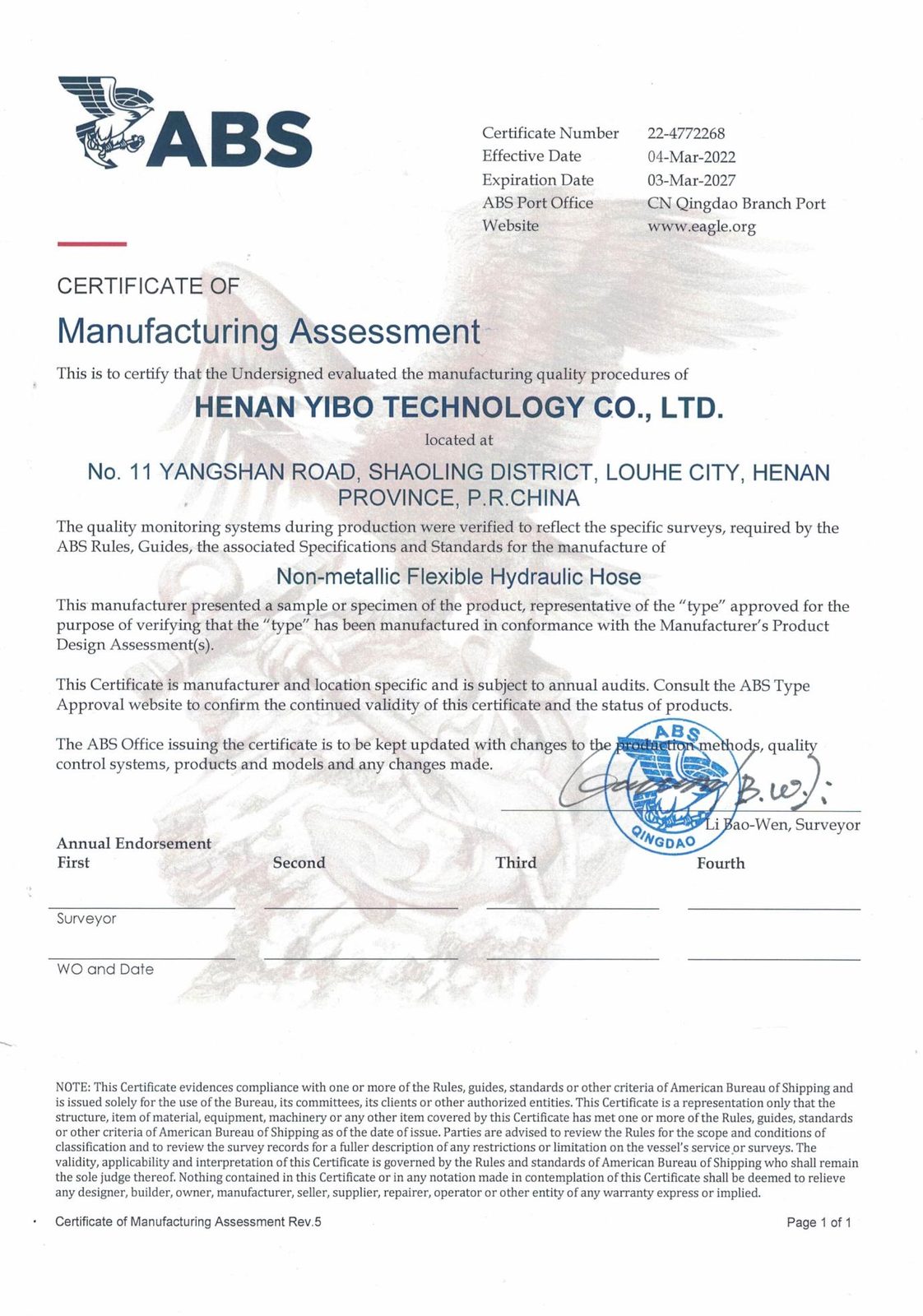
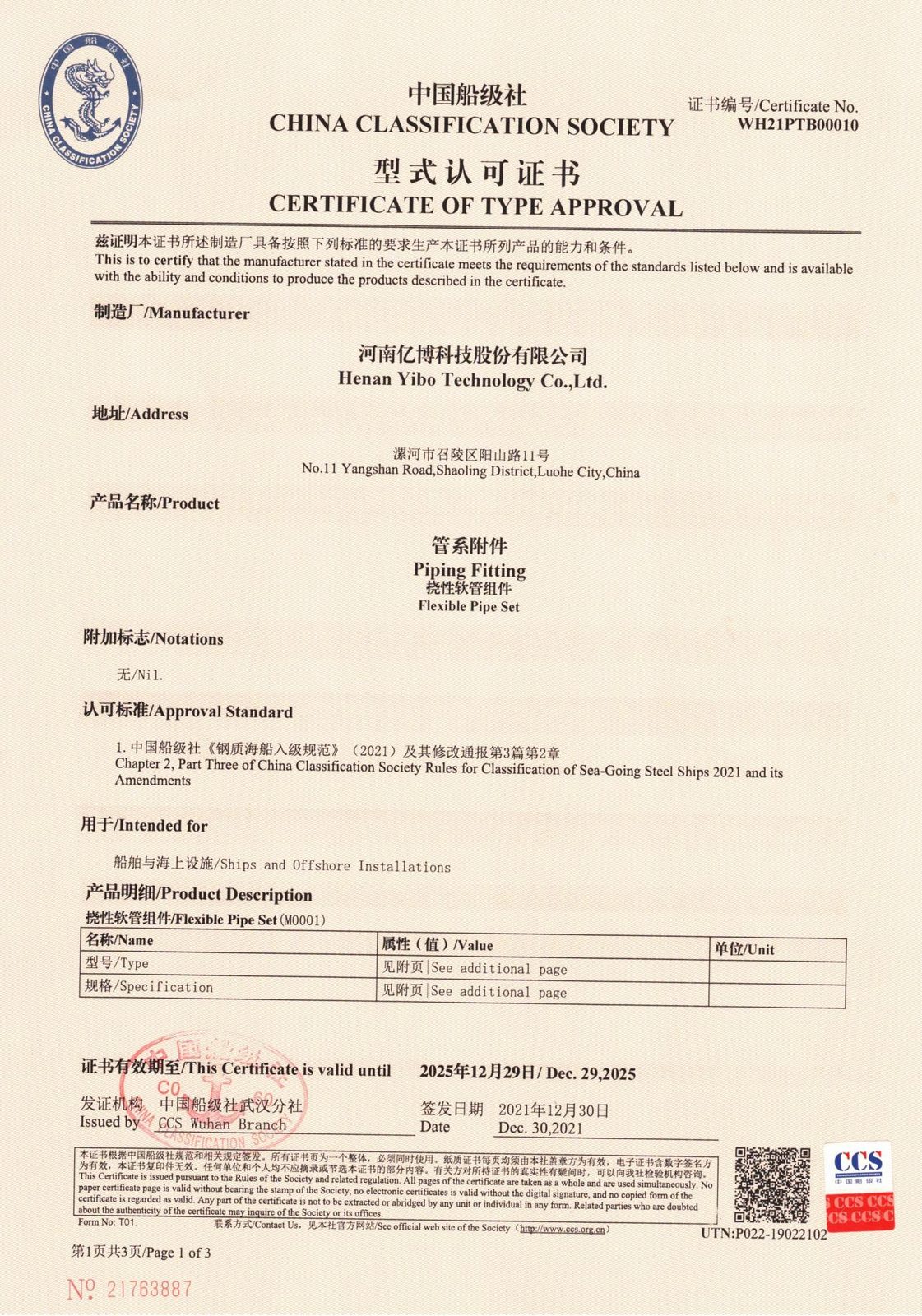
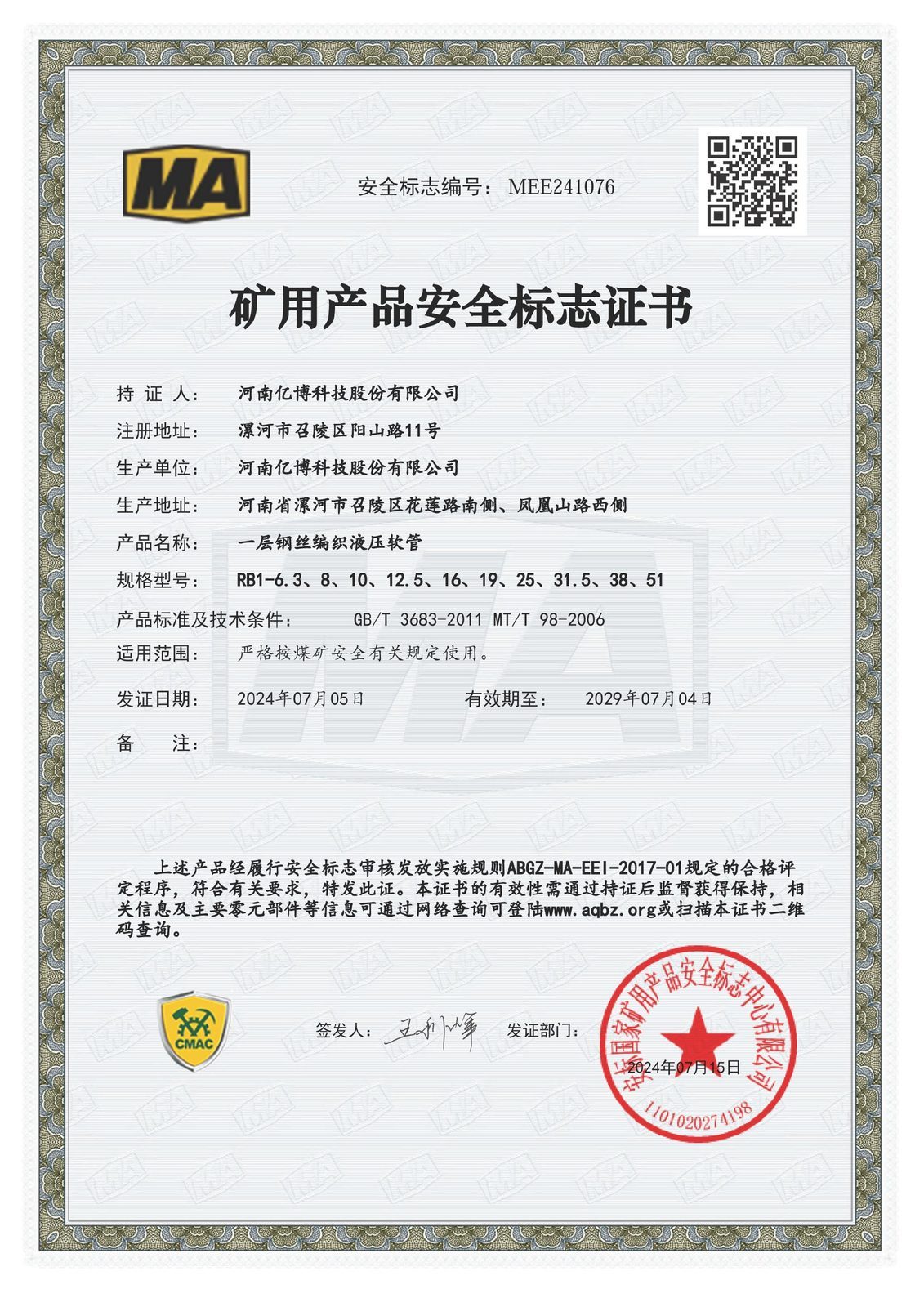
↓Certifications & factory photos
- Hose Construction
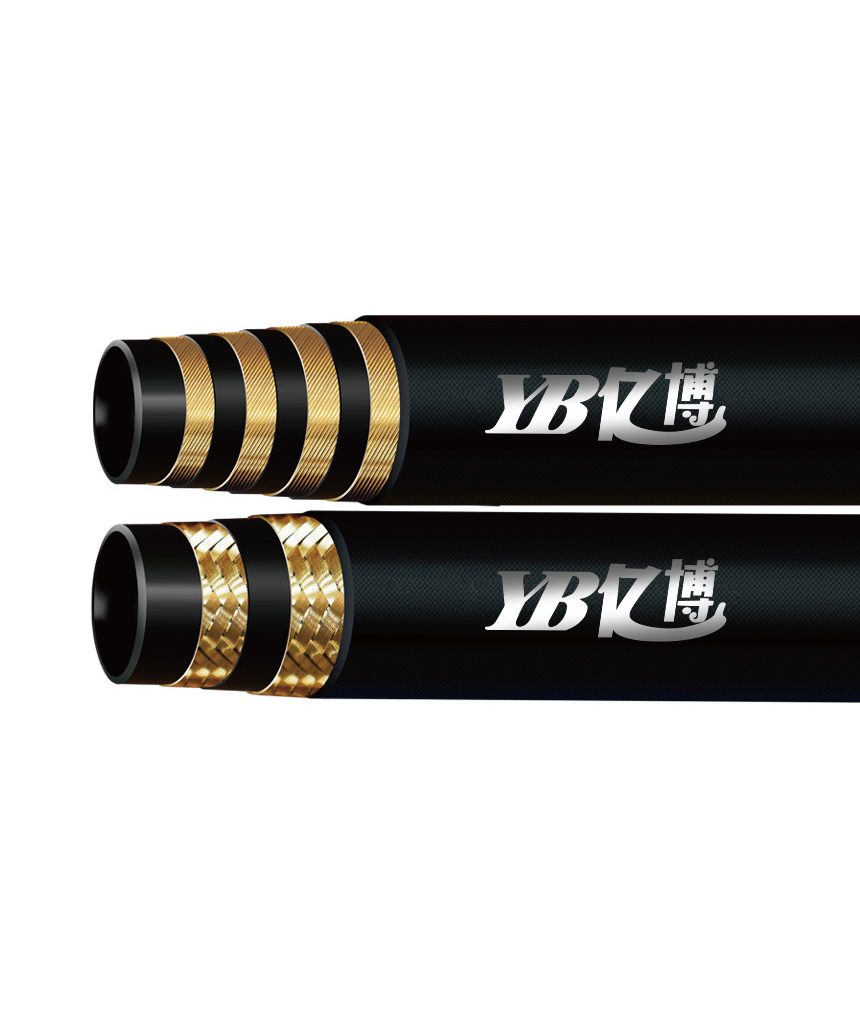
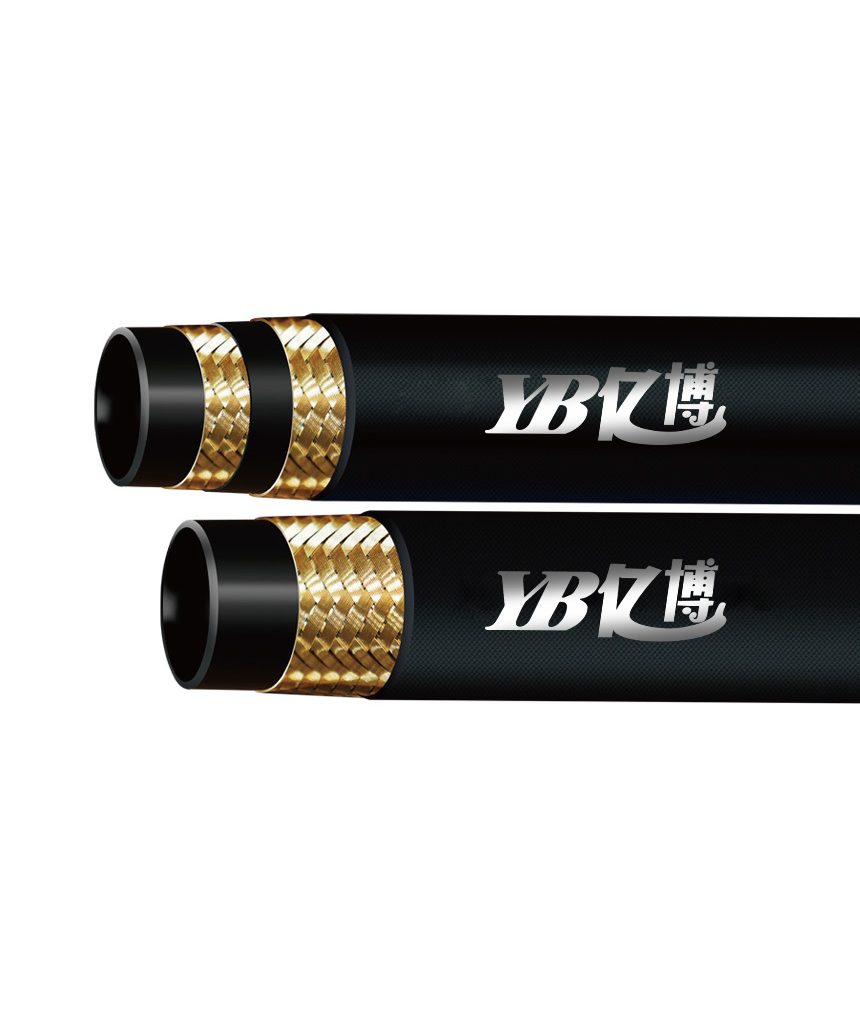
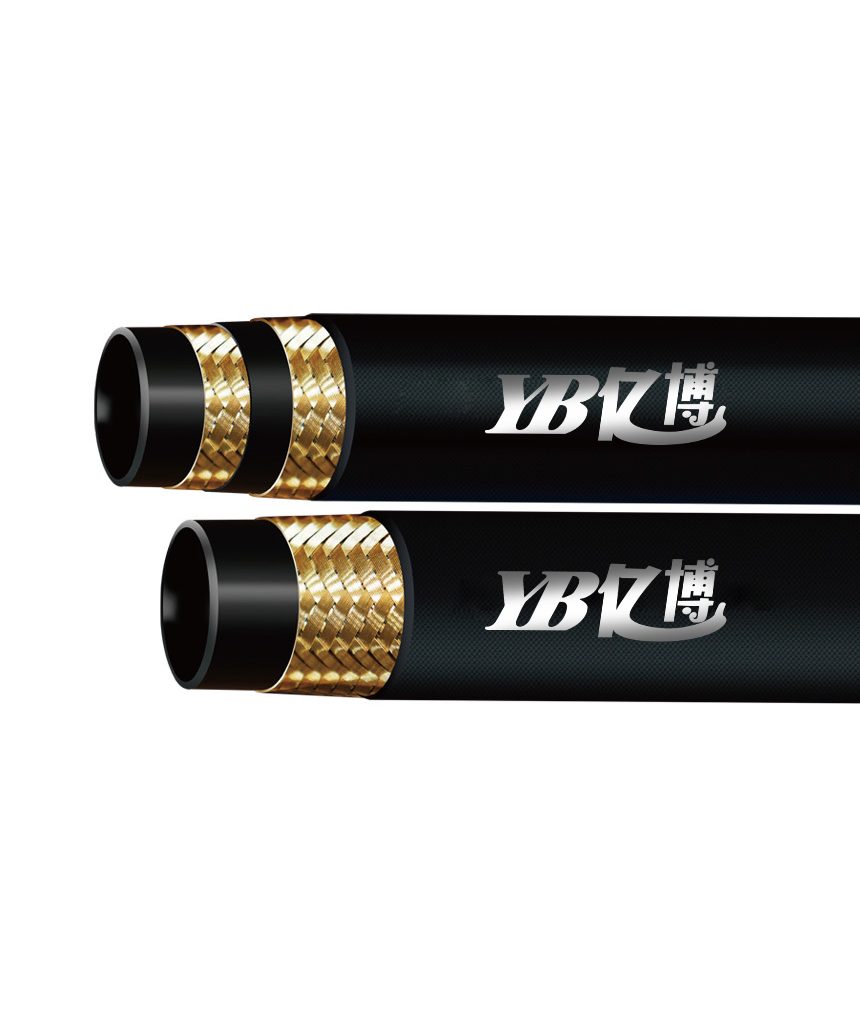
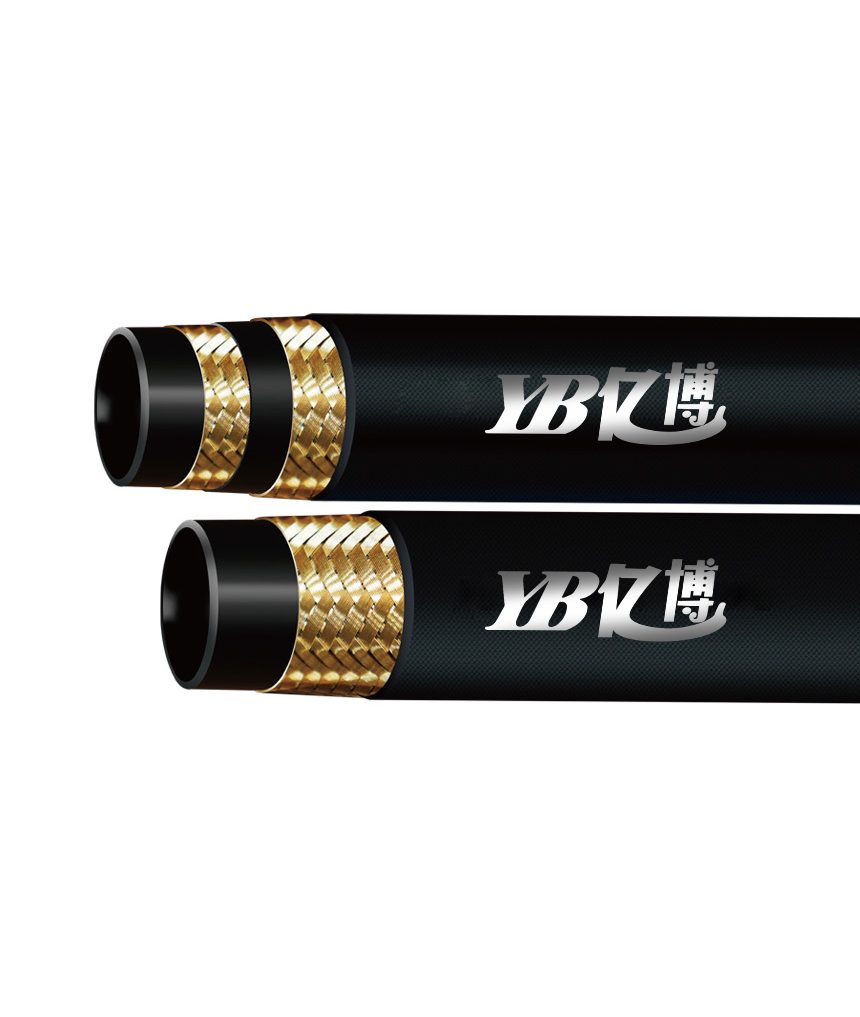
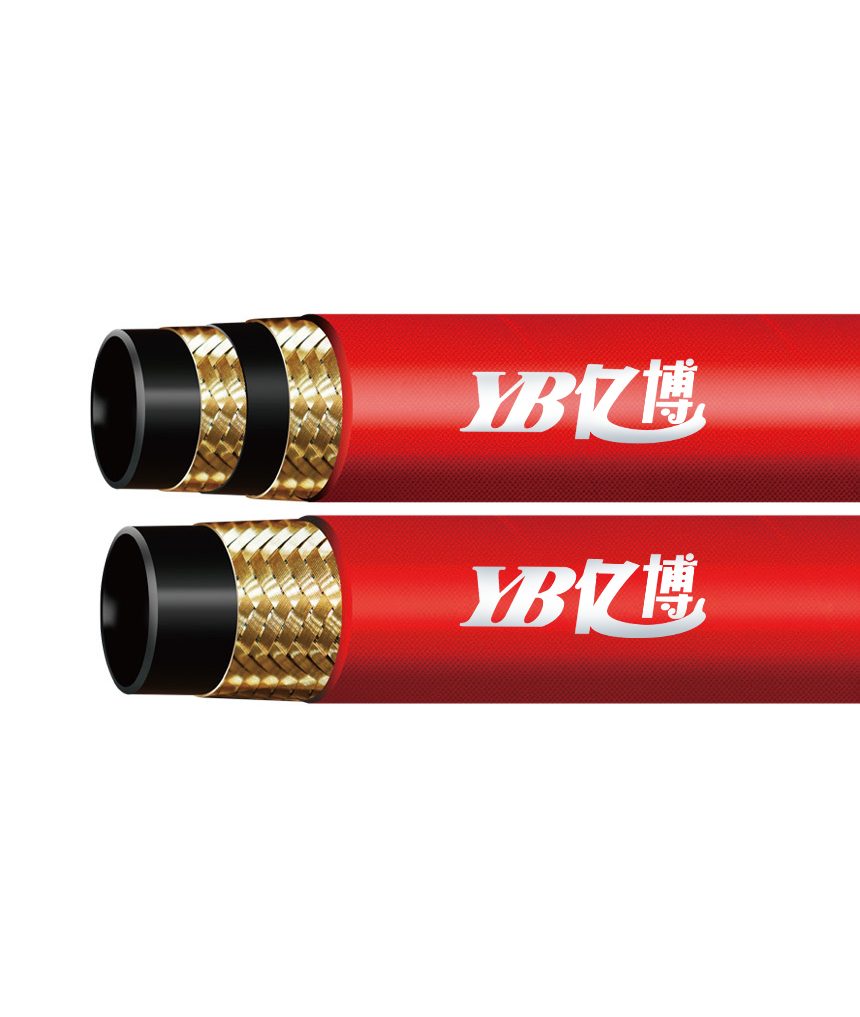
- Structure:The Hose Consists of an Inner Tube, a Steel Wire Braided or Spiral Reinforcement Layer, and an Outer Cover
- Working Temperature:-40℃ to +120℃; for Water Medium: 0℃ to +70℃
- Hose Features
- Bend Radius:Minimum bend radius runs 50–630 mm over the range.
- Size Coverage:10 published codes spanning 6.4 mm to 50.8 mm bore, from 635-6 upward.
- Application:Suitable for Conveying Hydraulic Fluids Such as Glycol, Hydraulic Oil, Lubricating Oil, and Emulsions, Etc.
- Outer Diameter:Outer diameter 13.2–71 mm across the published bores.
24 Hours Service Hotline
+86 137 2136 0724
For distributors, OEMs & MRO buyers · 30+ countries · MOQ 100 m · free samples


In stock — ready to ship sooner than custom runs. Ask which sizes →
PRODUCT INTRODUCTION
635 Series — 350 bar, Paid For at 16 mm
The 635 series holds 35 MPa (350 bar) at every bore from 6.4 to 50.8 mm, with 140 MPa burst. It is the third rung of the constant-pressure ladder, and it has an unusual shape: the first four sizes cost almost nothing over 628, and then one size costs a lot.
At 6.4, 7.9 and 9.5 mm the outside diameter is identical to the 628 body — 13.2, 14.7 and 16.8 mm — and the bend radius is identical too, at 50, 55 and 65 mm. From 12.7 mm the wall starts to grow, and at 15.9 mm the outside diameter goes to 27.7 mm and the minimum arc doubles to 210 mm.
That single step is the whole engineering decision on this rung. A small-bore harness gets 350 bar at no routing cost; a 5/8 inch line pays for it once, in 110 mm of extra loop.
Data Display

| PRODUCT TYPE (Part Number) | AVAILABLE TYPES | AVAILABLE TYPES | AVAILABLE TYPES | AVAILABLE TYPES | INNER DIAMETER(ID) mm | STEEL WIRE REINFORCEMENT OUTSIDE DIAMETER mm | HOSE OUTER DIAMETER mm | MAXIMUM WORKING PRESSURE W.P | psi | MINIMUM BURST PRESSURE B.P | psi | MINIMUM BEND RADIUS Min.B.R |
|---|---|---|---|---|---|---|---|---|---|---|---|---|
| 635-6 | AC | BC | CC | DC | 6.4 | 11.3 | 13.2 | 35 | 5,076 | 140 | 20,305 | 50 |
| 635-8 | AC | BC | CC | DC | 7.9 | 12.7 | 14.7 | 35 | 5,076 | 140 | 20,305 | 55 |
| 635-10 | AC | BC | CC | DC | 9.5 | 15.2 | 16.8 | 35 | 5,076 | 140 | 20,305 | 65 |
| 635-13 | AC | BC | CC | DC | 12.7 | 19.7 | 21.5 | 35 | 5,076 | 140 | 20,305 | 90 |
| 635-16 | CC | DC | 15.9 | 24.2 | 27.7 | 35 | 5,076 | 140 | 20,305 | 210 | ||
| 635-19 | CC | DC | 19 | 28.3 | 29.6 | 35 | 5,076 | 140 | 20,305 | 250 | ||
| 635-25 | CC | DC | 25.4 | 35.5 | 37.8 | 35 | 5,076 | 140 | 20,305 | 300 | ||
| 635-32 | CC | DC | 31.8 | 42.4 | 44.4 | 35 | 5,076 | 140 | 20,305 | 460 | ||
| 635-38 | CC | DC | 38.1 | 54.4 | 57.5 | 35 | 5,076 | 140 | 20,305 | 560 | ||
| 635-51 | CC | DC | 50.8 | 67.8 | 71 | 35 | 5,076 | 140 | 20,305 | 630 |
Values are reproduced from the official YIBO product page. psi columns = MPa × 145.038, rounded. Ratings run to 350 bar working / 1,400 bar minimum burst over the 6.4–50.8 mm bore band; the order data sheet governs the batch.
Application & Selection
SUITABLE FOR CONVEYING HYDRAULIC FLUIDS SUCH AS GLYCOL, HYDRAULIC OIL, LUBRICATING OIL, AND EMULSIONS, ETC. HIGH PULSE CONSTANT PRESSURE HYDRAULIC HOSE 635 SERIES covers 6.4–50.8 mm across 10 published codes.
Assemblies are crimped and pressure-tested in-house, metric / BSP / JIC / ORFS ends, across the 10 codes in the 6.4–50.8 mm band. Allow about 20 days from confirmation for HIGH PULSE CONSTANT PRESSURE HYDRAULIC HOSE 635 SERIES; OEM marking and packing on request.
WHY THIS HOSE
Where the 350 bar Class Costs Nothing
Wall thickness is not linear in a constant-pressure range. On this one, three sizes are free and one is not.
13.2 mm at 6.4
Identical outside diameter to the 628 rung, and the same 50 mm bend radius. 350 bar at no envelope cost.
16.8 mm at 9.5
Still identical to 628 at 65 mm arc. The first three sizes are a straight pressure upgrade.
21.5 mm at 12.7
The wall starts to show: 21.5 mm outside against 20.3 mm on 628, on the same 90 mm arc.
27.7 mm at 15.9
The step. Outside diameter jumps from 23.6 mm on 628 to 27.7 mm, and the arc from 100 mm to 210 mm.
Converges at 2 Inch
At 25.4, 38.1 and 50.8 mm the three series share 37.8, 57.5 and 71.0 mm outside diameter, so only the pressure differs.
140 MPa Burst
A 4:1 margin at every row, from 6.4 mm to 50.8 mm. The ratio does not thin as the class rises.
CONSTRUCTION
Wall That Grows in One Place
Inner Tube
Oil-resistant synthetic rubber, bored 6.4 mm to 50.8 mm. Common to the ladder, unchanged between rungs.
Reinforcement
High-tensile steel wire rated 35 MPa with 140 MPa burst. The layer measures 11.3 to 67.8 mm across the range, and it grows sharply from the 15.9 mm bore.
Cover
Abrasion-resistant cover, outside diameter 13.2 mm at 6.4 mm bore through 71.0 mm at 50.8 mm.
APPLICATIONS
Where 350 bar Earns Its Place
Small-Bore High Pressure
9.5 mm at 350 bar on a 65 mm arc, the size where this rung costs nothing over 628.
Cylinder Lines
15.9 mm at 27.7 mm outside and a 210 mm arc, where the boom section has the space.
Excavator Attachment Circuits
19 mm at 250 mm arc, feeding a hammer or a shear that spikes on every stroke.
Machine Tool Clamp
12.7 mm at 90 mm arc, holding 300 bar continuously without a 621 or 628 wall.
Press and Forming
25.4 mm at 300 mm arc, where the circuit holds at pressure for the length of a stroke.
Large Return and Drain
38.1 mm at 560 mm arc, at the same 35 MPa as the rest of the machine.
HIGH-END INDUSTRY DIRECTIONS
What Buyers Ask at 350 bar
The question is whether the boom section can take a 210 mm loop where it took 100 before.
① Higher Circuit Pressures high pressure hose
Trend: Attachment circuits are being specified at 350 bar.
Dohose: 35 MPa with 140 MPa burst across ten bores.
② Routing After the Decision hose routing
Trend: The pressure class is chosen before the space is measured.
Dohose: The 210 mm arc at 15.9 mm is published, not buried.
③ Small-Bore Upgrade compact hose
Trend: Pilots and clamps want 350 bar without a wider loop.
Dohose: 6.4 to 9.5 mm match 628 on diameter and arc.
④ One Class per Machine standard hose
Trend: Machines are specified from one bore series.
Dohose: Ten bores all at 35 MPa, matching 621, 628 and 642 in size.
⑤ Build Variants crimped hose
Trend: Buyers check which bores each build covers.
Dohose: AC and BC to 19 mm, CC and DC across all ten.
⑥ Traceability traceable hose
Trend: Class and batch are recorded per machine.
Dohose: Marked on each cut length with the test date.
WHY DOHOSE
Seven Reasons Buyers Stay with Us
Numbers, Not Averages
Every figure for the High Pulse Constant Pressure Hydraulic Hose 635 Series comes from the per-code table: 6.4–50.8 mm, 35 bar working, 140 bar burst.
One Line, Full Range
All 10 codes of the High Pulse Constant Pressure Hydraulic Hose 635 Series come off the same line, so a mixed order in 6.4–50.8 mm ships together.
Length on Demand
Cut-to-length supply for High Pulse Constant Pressure Hydraulic Hose 635 Series; each code carries its own mass, published per code, so lifting gear can be sized first.
Ends Done Here
Assemblies of High Pulse Constant Pressure Hydraulic Hose 635 Series are crimped on site and held at test pressure before they are boxed.
Export Packing
Coiled in poly bags, then woven bags on pallets — loading plans are drawn for 10-code orders.
OEM Ready
Brand printing and custom packing are standard options on the High Pulse Constant Pressure Hydraulic Hose 635 Series.
Fast, Firm Pricing
A firm price for High Pulse Constant Pressure Hydraulic Hose 635 Series usually returns within 1 hour of your enquiry.
FAQ
635 Series — Ten Questions
What is the working pressure of the 635 series?
Every code is 35 MPa (350 bar) with 140 MPa minimum burst, a 4:1 margin, from the 6.4 mm bore to the 50.8 mm bore. It is the third rung of a ladder that also covers 225, 280 and 420 bar on the same bore series.
635 vs 628 — where does the extra wall show?
Not in the first three sizes. At 6.4, 7.9 and 9.5 mm the outside diameter is identical to 628 at 13.2, 14.7 and 16.8 mm, and the arc is identical too. The difference appears at 15.9 mm, where 635 measures 27.7 mm outside against 23.6 mm.
Can 635 replace 628 without re-routing?
On the small bores yes. Up to 9.5 mm the diameter and the arc are the same, and at 12.7 mm the outside grows by 1.2 mm on an unchanged 90 mm arc. From 15.9 mm upward the routing has to be re-checked, because the arc doubles to 210 mm.
Why does the arc double at 15.9 mm?
The 210 mm minimum, against 100 mm on the 628 body of the same bore. The wall grows to carry 350 bar, so the outside diameter goes to 27.7 mm and the arc follows it. That single size is where this rung stops being free.
What bore sizes and arcs does the range cover?
Ten codes from 6.4 to 50.8 mm inside diameter, with minimum bend radius 50, 55, 65, 90, 210, 250, 300, 460, 560 and 630 mm in bore order. Outside diameter runs 13.2 mm to 71.0 mm.
Why do the series converge at 2 inch?
Because at 25.4, 38.1 and 50.8 mm the wall is the same across the 628, 635 and 642 bodies: 37.8, 57.5 and 71.0 mm outside diameter. At the large end only the pressure class differs, not the envelope.
Which bore for a 300 bar clamp circuit?
The 12.7 mm code at 35 MPa on a 90 mm arc and 21.5 mm outside diameter. It holds 300 bar with headroom and keeps the same arc as the 628 body, so a clamp circuit can be uprated without a new manifold layout.
Which bore for an attachment circuit at 350 bar?
The 19 mm code at 140 MPa burst on a 250 mm arc. Attachment circuits spike on every stroke, so the class has to cover the peak, and the 4:1 margin is published per row rather than as a range average.
What is the minimum order and lead time?
100 m per size, cut to length, across 6.4 mm to 50.8 mm inside diameter. Production runs about 20 days from confirmation, and assemblies ship crimped and pressure-tested with metric, BSP, JIC or ORFS ends.
How is the 635 series priced?
Above 628 and below 642 at the same bore, because the wall sits between them: 13.2 mm outside at the 6.4 mm code through 71.0 mm at 2 inch. Send bore, length, ends and destination and a firm figure comes back the same working day.
Related Products
Compact Steel WIRE Braid Hydraulic HOSE
The hose consists of an inner tube, one or two layers of steel wire braided reinforcement, and…
Constant Pressure Steel WIRE Braided Hydraul…
The hose consists of an inner tube, one or two layers of steel wire braided reinforcement, and…
Constant Pressure Steel WIRE Braided Hydraul…
The hose consists of an inner tube, one or two layers of steel wire braided reinforcement, and…
HIGH Pressure Steam HOSE
The inner and outer tube layers of the hose are both made of synthetic rubber with excellent h…
Get a quote
Please fill out the form below and we will contact you within 1 hour.
We are online 24/7!
We will contact you within 1 hour of receiving your enquiry.
Hotline