When you buy high-pressure hoses, quotations usually just say "qualified" — but qualified by what measure? For a factory, testing capability is the most honest specification sheet. Here is what a hose goes through before it ships, and which questions to ask when auditing a supplier.
Gate One: Proof and Burst Pressure
Proof testing verifies sealing and structural integrity at rated pressure — checking for leakage and deformation. Burst testing pressurizes until failure, measuring the ratio of actual burst pressure to working pressure: the clearest indicator of safety margin and reinforcement design. A question worth asking: is burst testing done batch by batch, or only periodically?
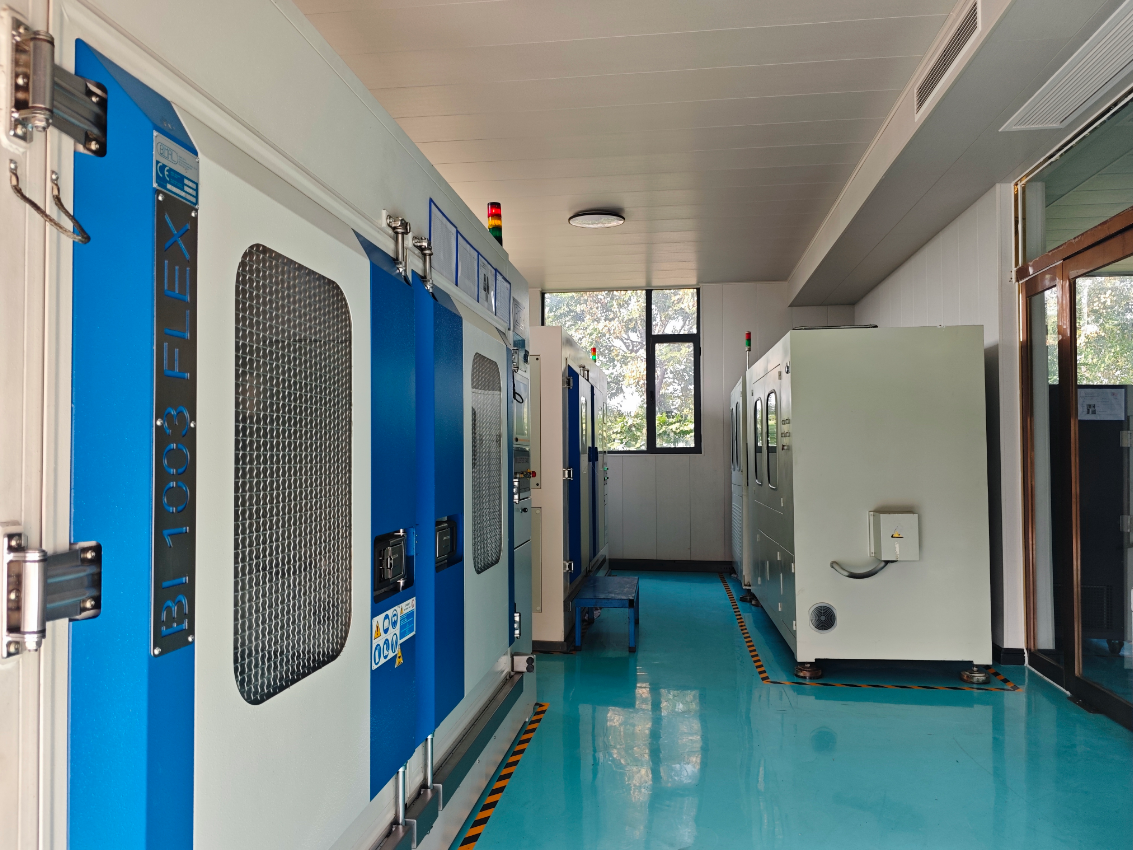
Gate Two: Impulse Fatigue Testing
This is the closest simulation of real service: the hose is cycled between high and low pressure repeatedly, mimicking long-term pulsation until leakage or structural failure occurs. Impulse life directly reflects the fatigue design of the wire reinforcement. It is exactly why power steering hoses have such a high entry bar — they must endure continuous high-frequency pulsation. This single number tells you more than ten brochure pages.
Gate Three: Low-Temperature Bending and Media Compatibility
Low-temperature bending reveals whether a hose hardens or cracks in cold climates, which governs winter cold-start reliability. Media compatibility immerses the compound in the target oil, water-glycol or fuel over time, tracking volume swell, hardness shift and strength loss. Together they determine whether the hose stays reliable for years — not merely on installation day.
Gate Four: Appearance, Dimensions and Traceability
Cover uniformity, freedom from blisters and inclusions, assembly length and fitting orientation against drawings — basic checks that decide whether installation goes smoothly. More importantly, traceability: retained samples, test records and the ability to trace back to a compound batch are the real dividing line in supplier management.