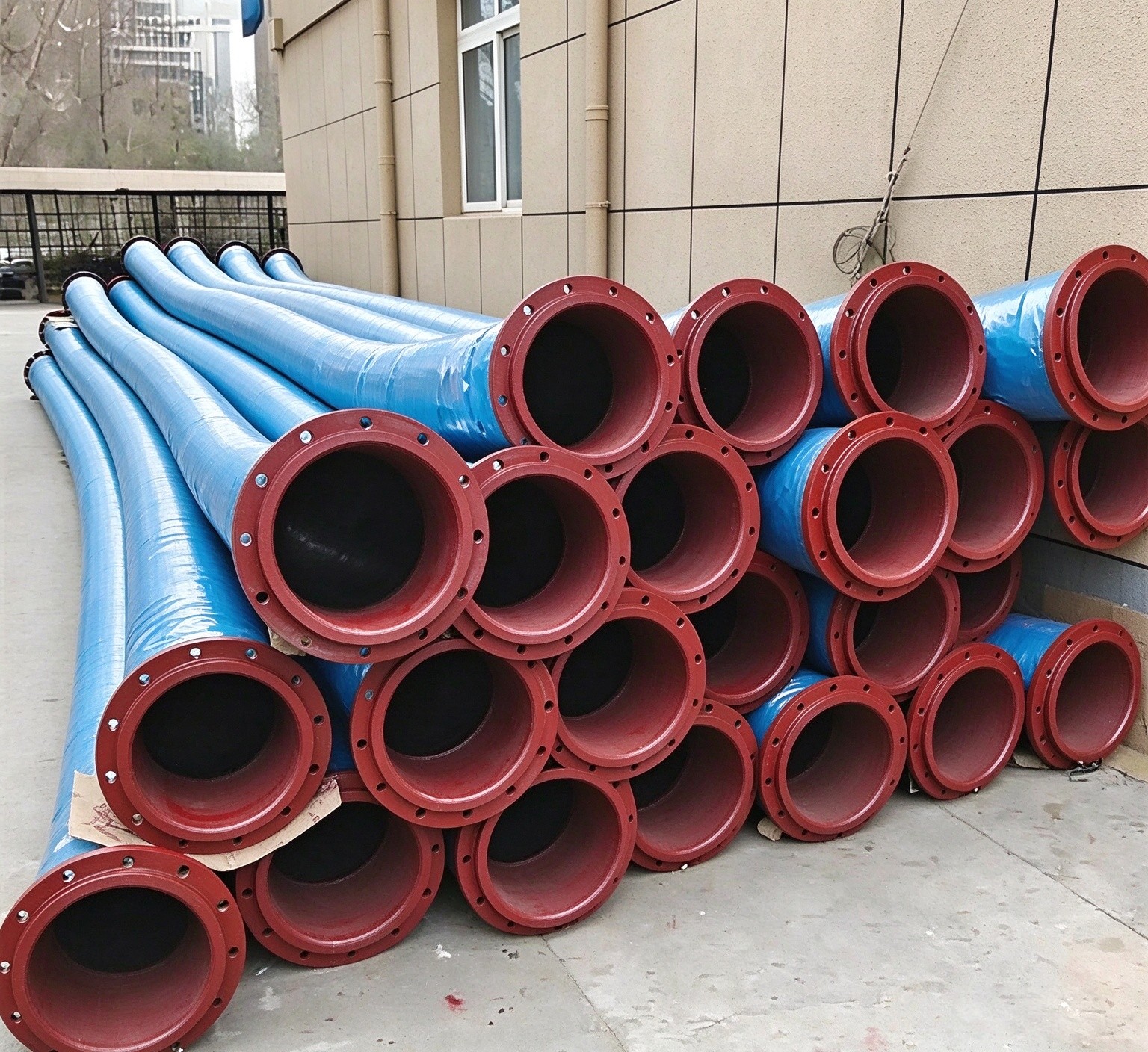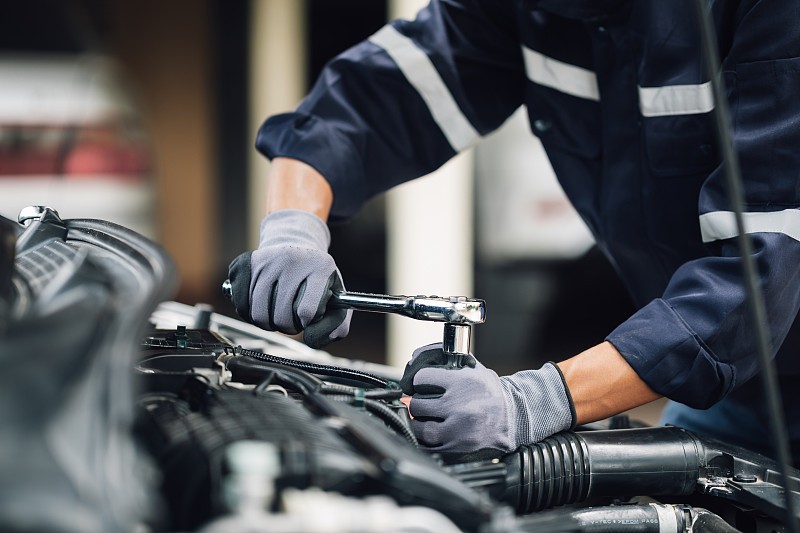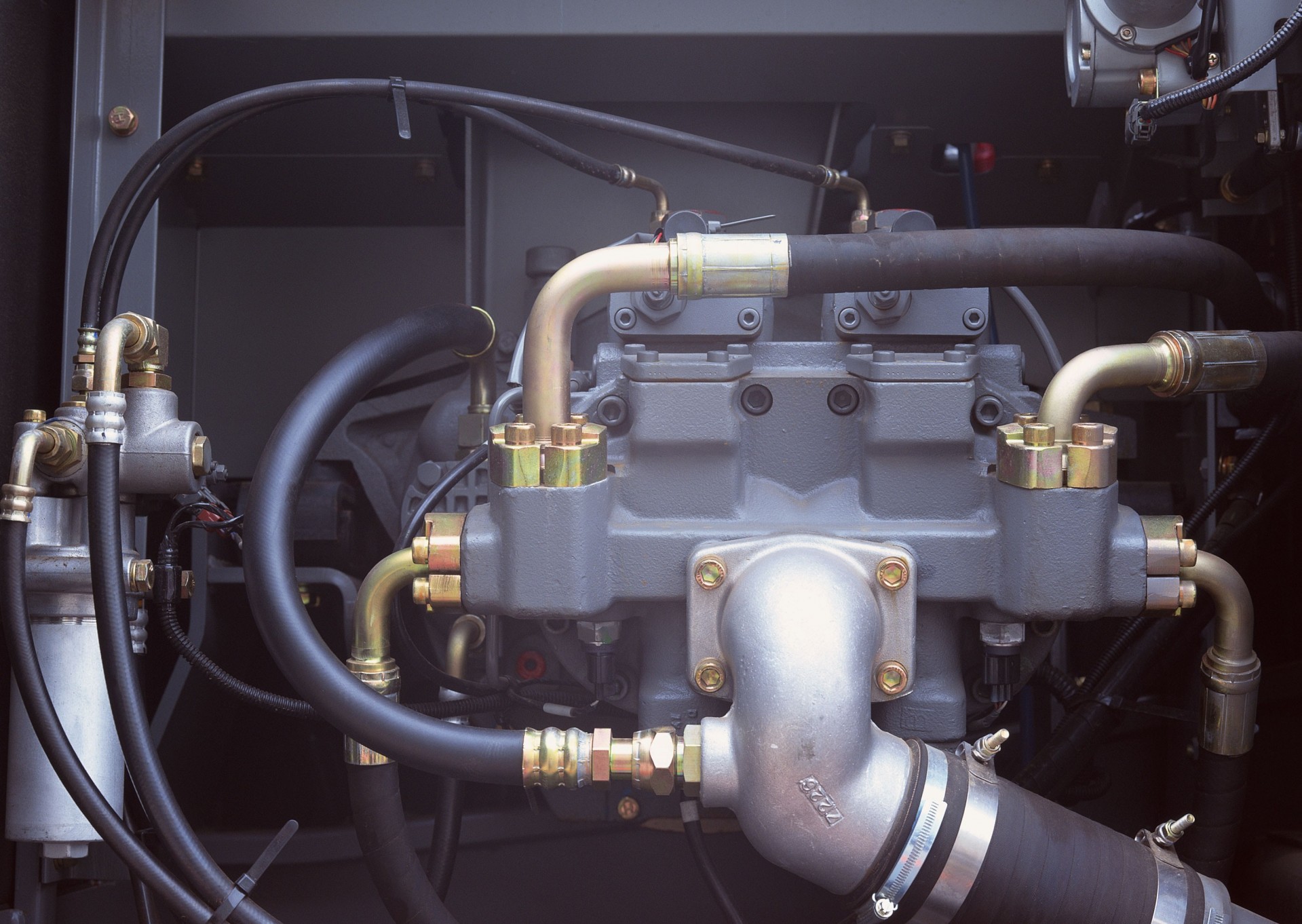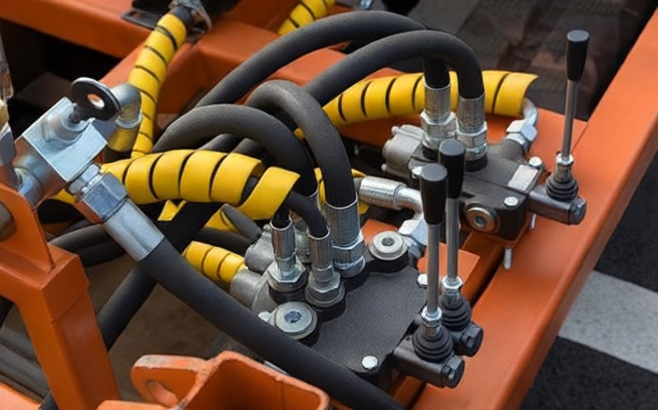
Many early hose failures are not quality defects — they come from improper selection or poor installation. The same hose, correctly routed with adequate bend allowance, can last more than twice as long as one installed carelessly. Here is a practical reference covering selection, installation and maintenance.
Selection: Four Parameters That Decide Everything
Confirm four parameters in order. First, working pressure — the rated pressure must exceed the system's peak with sufficient margin, especially under pulsating loads. Second, media and temperature — hydraulic oil, water-glycol and fuel each demand different compounds; verify temperature ratings for both hot engine bays and cold starts. Third, bend radius — the installed radius must never go below the minimum, with straight transitions near fittings. Fourth, end fittings — thread type and sealing design must match the system exactly.
Installation: Three Classic Mistakes to Avoid
The most common field errors: installing the hose twisted (torsion under pressure sharply shortens wire life), leaving insufficient length (tension concentrates stress at the ferrule), and allowing contact with hot surfaces or sharp edges (cover wear exposes wires to corrosion). Route hoses naturally, leave slack at corners, and fit spring guards or anti-abrasion sleeves where needed.
Maintenance: Build a Routine Inspection Habit
Add high-pressure hoses to your scheduled inspection checklist: look for blisters, cracks, hardening or exposed wire on the cover, leaks at fittings, and loose clamps. Replace immediately — never "run it a bit longer" — when the cover is damaged to the wire, fittings leak, or the hose hardens abnormally. For safety parts like power steering hoses, any visible damage must be handled per OEM maintenance rules without repair-and-reuse.