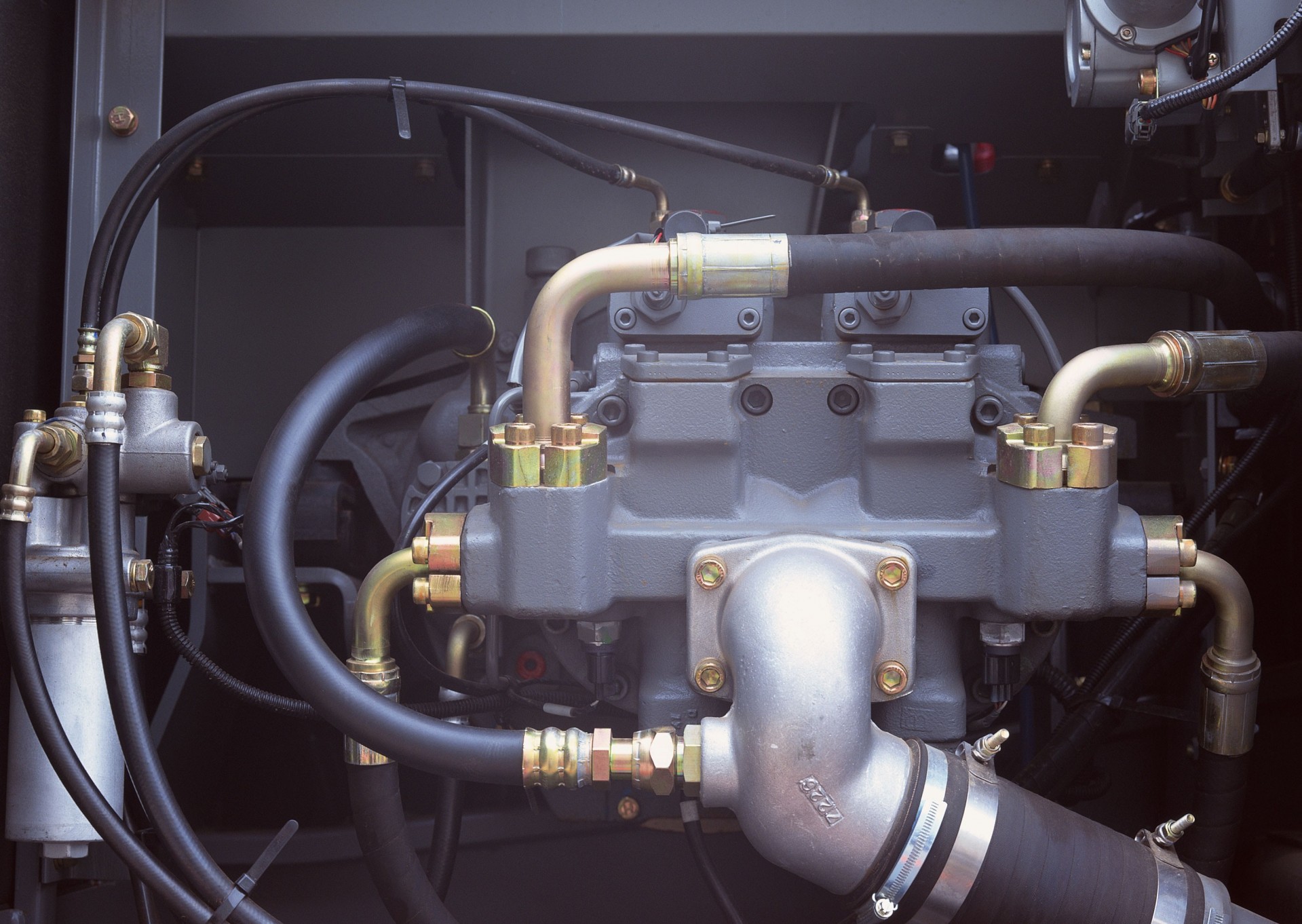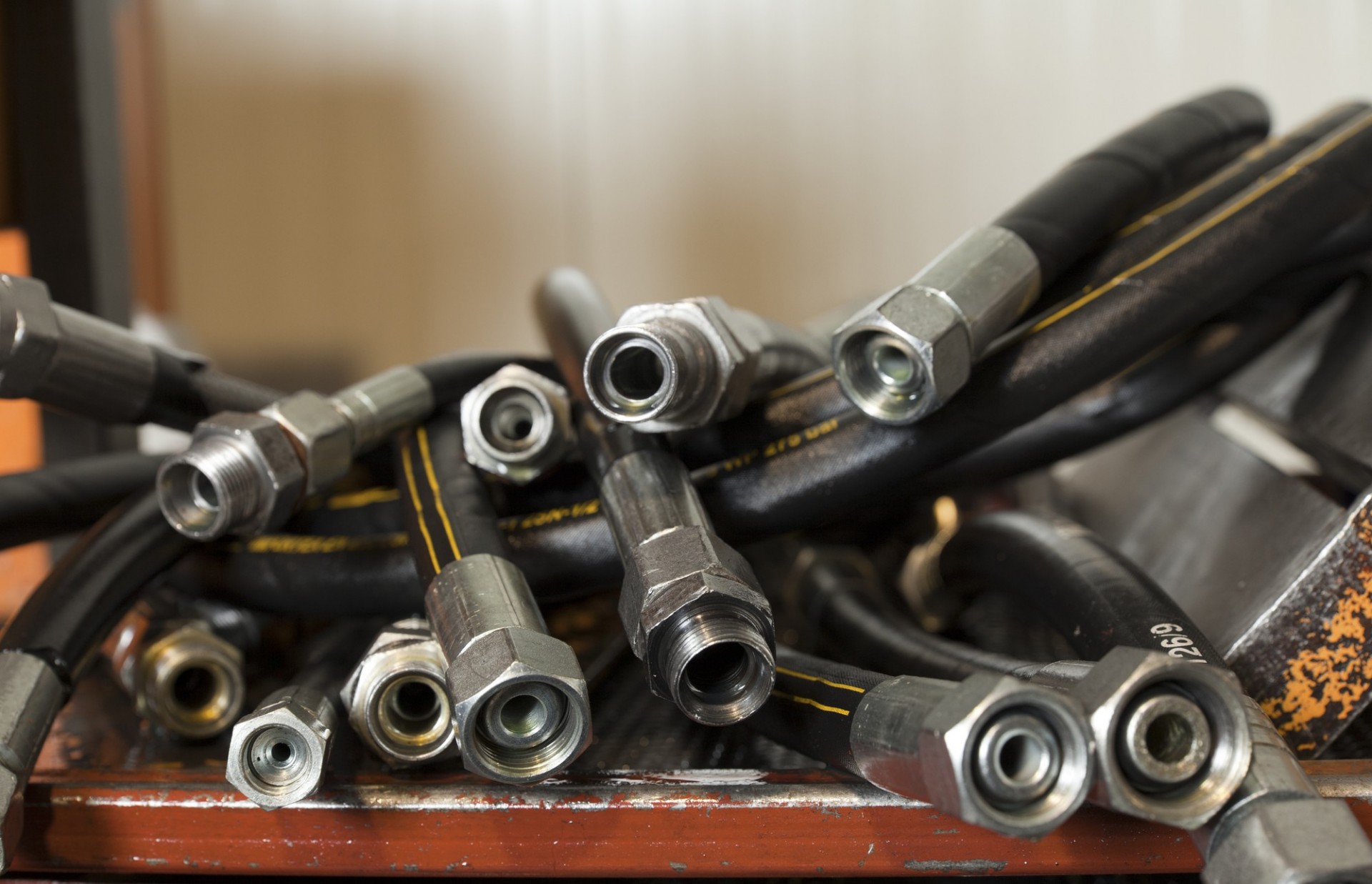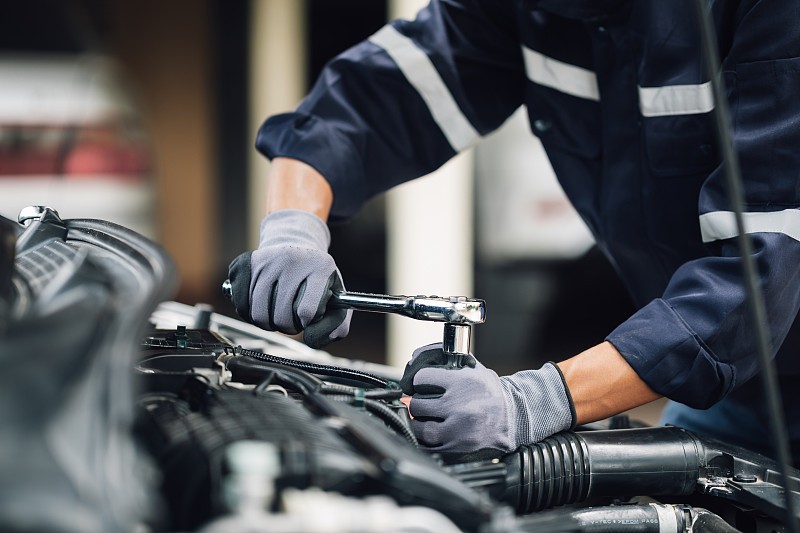
Tens of megapascals of oil pressure running in the tube — a little leak is a hazard, a waste, the start of a fault. A UHP hose's first duty is not being "advanced" but "not leaking." And sealing is never done by one "magic material" alone.
Three gates of sealing
First, inner-tube sealing. The innermost layer touches the fluid, holding the oil in the bore while resisting the medium's swelling and attack. It is the main arena of sealing and the first hurdle of fluid compatibility (see Article 3).
Second, crimp-interference sealing. After the fitting is slipped on, crimping creates enough interference between fitting and hose to lock the oil in the bore. Too little interference leaks, too much damages the hose — that "just right" is exactly the precision crimping (Article 4) must hold.
Third, fitting-face sealing. Where hose meets hose or component, an O-ring or face seal closes the last seam, stopping oil from weeping at the joint.
Sealing is an "assembly-level" craft
The point is not which layer is most magical but that the three gates must work as one: however oil-resistant the inner tube, a poor crimp still leaks; however precise the crimp, a bad fitting-face seal wastes it. A hose's "not leaking" is the joint backstop of hose, fitting and crimp — lose one link and it fails. That is why a truly reliable hose sells as an "assembly," not "a tube plus a fitting."
The weight of mature engineering
Sealing has no shortcut — it is making the inner tube's oil resistance, the crimp interference and the seal-face finish solid, one by one. None of it is trendy, yet it is the entire basis for a hose to promise "not leaking" under tens of megapascals.
Not leaking is the hose's baseline duty. It is not dazzling, but it is the foundation of every performance — without a solid foundation, a high pressure rating is empty talk.